
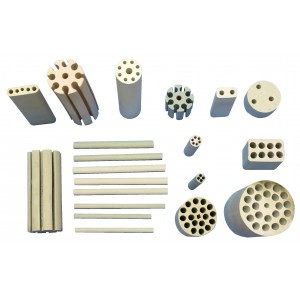
Rezistans Seramikleri Nedir?
Rezistans seramikleri, endüstriyel uygulamalarda sıcaklıkların yüksek olduğu ortamlarda ısıtma elemanları olarak kullanılır. Bu seramikler, yüksek sıcaklıklarda yüksek rezistans sağlar ve iyi elektriksel izolasyon özelliklerine sahiptir. Rezistans seramikleri, birçok farklı endüstriyel uygulamada kullanılabilir.
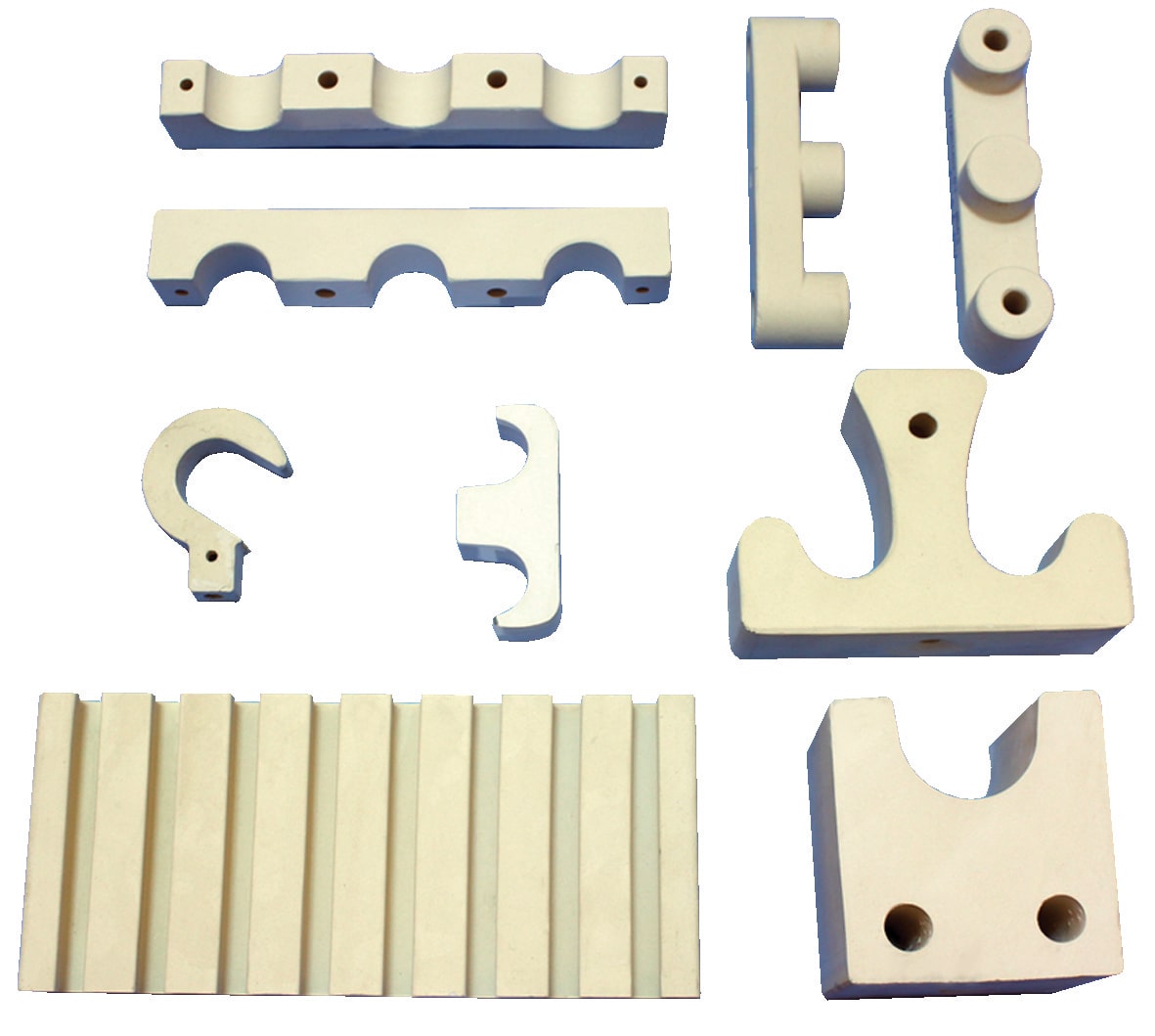
Rezistans Taşı
Rezistans taşı, elektrik akımını ileten bir malzeme olarak kullanılır. Bu malzeme, yüksek sıcaklıklarda yüksek rezistans sağlar ve aynı zamanda iyi elektriksel izolasyon özelliklerine sahiptir. Rezistans taşı, endüstriyel uygulamalarda sıcaklıkların yüksek olduğu ortamlarda ısıtma elemanları olarak kullanılabilir. Örneğin, metal dökümü, kimya endüstrisi, otomotiv endüstrisi, cerrahi araçların sterilizasyonu gibi. Bu malzeme, yüksek sıcaklıklarda yüksek rezistans sağlar ve aynı zamanda iyi elektriksel izolasyon özelliklerine sahiptir.
Rezistans Seramikleri Teknik Özellikleri
Rezistans seramiklerinin teknik özellikleri, malzemenin kimyasal bileşimi, mekanik dayanımı, termal ve elektriksel özellikleri gibi parametrelere bağlı olarak değişebilir. Aşağıda bazı genel olarak kabul edilen rezistans seramiklerinin teknik özellikleri verilmiştir:
- Kimyasal bileşim: Rezistans seramikleri, genellikle alümina, silika, zirkonya gibi seramik malzemelerden üretilir.
- Mekanik dayanım: Rezistans seramikleri, yüksek sıcaklıklarda yüksek mekanik dayanım gösterir.
- Termik özellikler: Rezistans seramikleri, yüksek sıcaklıklarda yüksek termal direnç gösterir.
- Elektriksel özellikler: Rezistans seramikleri, yüksek sıcaklıklarda yüksek elektriksel rezistans gösterir ve iyi elektriksel izolasyon özelliklerine sahiptir.
- Sıcaklık aralığı: Rezistans seramikleri, genellikle 1000-1600 °C arasındaki sıcaklıklarda kullanılabilir.
Not: Bu veriler genel olarak kabul edilen verilerdir ve her üreticinin ürettiği ürünlerin teknik özellikleri farklı olabilir.
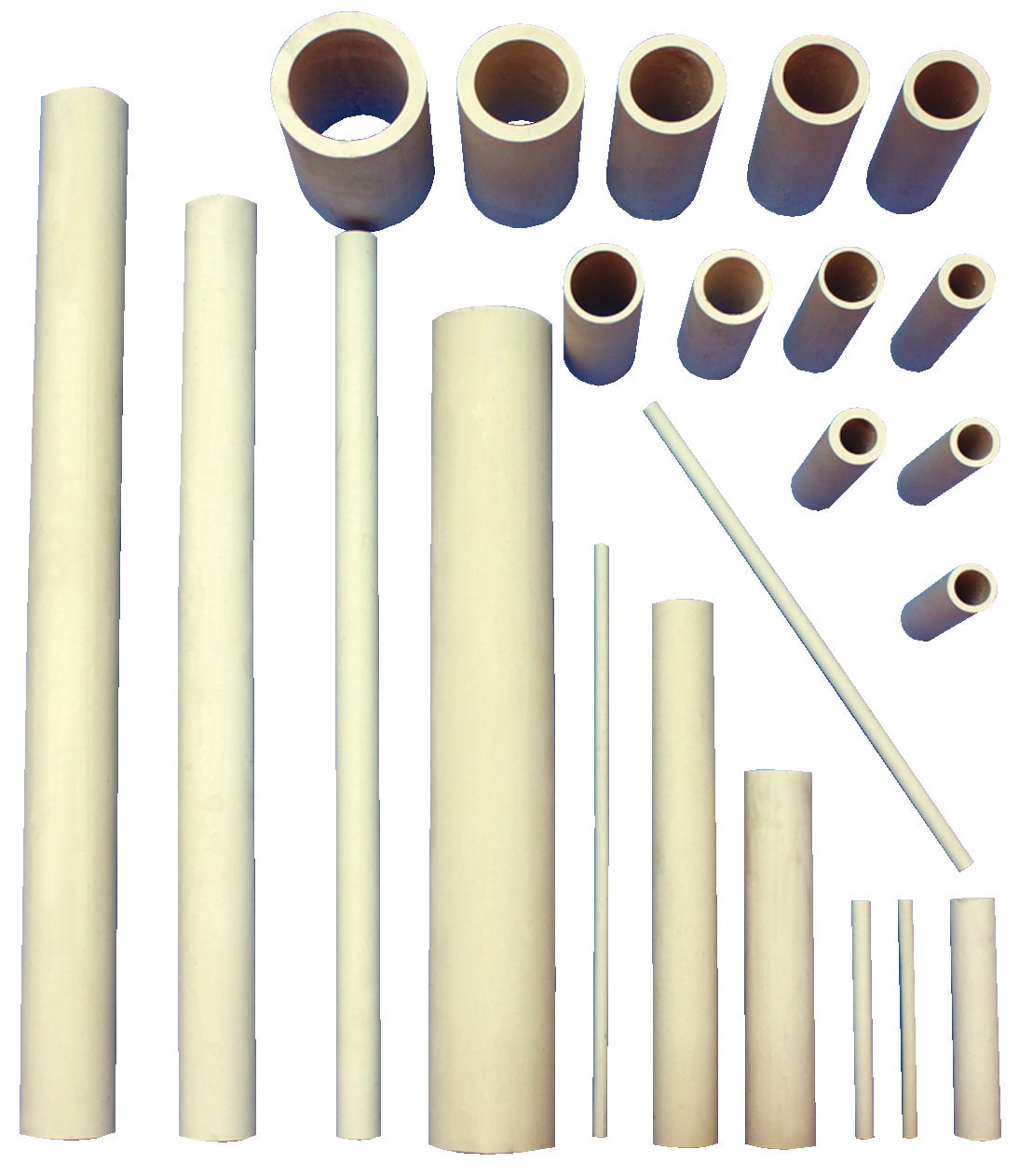
Rezistans Seramikleri Kullanım Alanları
Rezistans seramikleri, yüksek sıcaklıklarda yüksek rezistans sağlamak için kullanılan malzemelerdir. Bu malzemeler, endüstriyel uygulamalarda sıcaklıkların yüksek olduğu ortamlarda ısıtma elemanları olarak kullanılabilir. Örneğin, rezistans seramikleri aşağıdaki alanlarda kullanılabilir:
- Metal döküm endüstrisi: Rezistans seramikleri, metal dökümünde ısıtma elemanları olarak kullanılabilir.
- Kimya endüstrisi: Rezistans seramikleri, kimyasal reaksiyonların ısıtmasında kullanılabilir.
- Otomotiv endüstrisi: Rezistans seramikleri, otomotiv endüstrisinde ısıtma elemanları olarak kullanılabilir.
- Cerrahi araçların sterilizasyonu: Rezistans seramikleri, cerrahi araçların sterilizasyonunda kullanılabilir.
- Enerji üretiminde: Rezistans seramikleri enerji üretiminde kullanılabilir.
- Elektronik endüstrisi: Rezistans seramikleri elektronik endüstrisinde ısıtma elemanları olarak kullanılabilir.
- Isıtma, havalandırma ve klimatizasyon sektöründe kullanılabilir.
Ayrıca yüksek sıcaklıklarda çalışan makine parçaları için kullanılabilir.