
25 Eyl
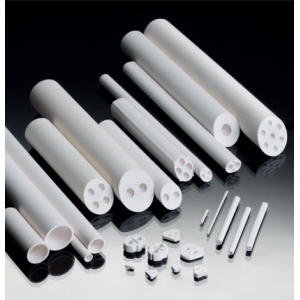
Fişek Taşları
Fişek taşları, elektrikli rezistanslarda kullanılan yalıtkan malzemelerdir. Yüksek saflık seviyesine sahip magnezyum oksit (MgO) kullanılarak üretilirler ve üstün elektrik yalıtımı, yüksek termal iletkenlik ve yüksek sıcaklık dayanıklılığı gibi özelliklere sahiptirler.
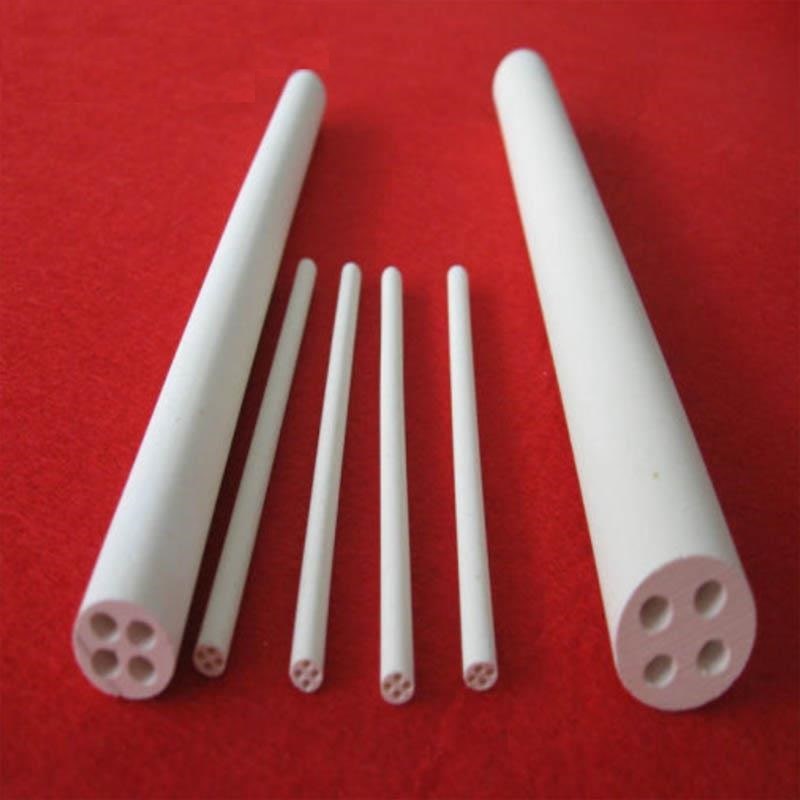
Fişek Taşı Rezistansları Çalışma Prensibi
Fişek taşı rezistansları, elektrikli rezistanslarda ısıyı muhafaza etmek ve korumak için kullanılan bir yalıtım malzemesidir. Genellikle yüksek saflıkta magnezyum oksit (MgO) malzemeden üretilirler ve mükemmel elektrik yalıtımı, yüksek sıcaklık dayanıklılığı ve mekanik sağlamlık gibi özelliklere sahiptirler. Fişek taşı rezistanslarının çalışma prensibi şu şekildedir:- Elektrik akımı rezistans teline uygulanır: Rezistans teline uygulanan elektrik akımı, telin ısınmasına yol açar.
- Isı fişek taşına aktarılır: Isınan rezistans telindeki ısı, fişek taşına aktarılır.
- Fişek taşı ısıyı tutar: Fişek taşı, yüksek termal iletkenliği sayesinde ısıyı eşit bir şekilde dağıtır ve çevreye yayılmasını önler.
- Isı korunur: Fişek taşı, yüksek sıcaklıklara karşı direnci sayesinde ısıyı uzun süre muhafaza eder. Fişek taşı rezistansları, ısıyı etkin bir şekilde yalıtmak ve korumak için önemli bir rol oynarlar ve birçok elektrikli ısıtma sisteminde kullanılırlar.
Fişek Taşı Rezistansları Teknik Özellikleri
- Malzeme: Yüksek saflıkta magnezyum oksit (MgO)
- Sıcaklık dayanımı: 1700°C'ye kadar
- Termal iletkenlik: 25-30 W/mK
- Dielektrik dayanımı: 5 kV/mm
- Yoğunluk: 3.6 g/cm³
- Termal genleşme katsayısı: 12.5 x 10^-6 K^-1
- Erime noktası: 2800°C
- Kimyasal direnç: Çoğu kimyasala karşı dirençlidir.
Fişek Taşı Rezistansları Türleri
- Silindirik fişek taşları: Bu fişek taşları, en yaygın kullanılan fişek taşı rezistans türüdür. Fırınlarda, ısıtıcılarda ve diğer ısıtma uygulamalarında kullanılır.
- Yerden ısıtma kabloları için fişek taşları: Bu fişek taşları, zeminleri ısıtmak için kullanılan kablolar için özel olarak tasarlanmıştır.
- Endüstriyel fırınlar için fişek taşları: Bu fişek taşları, endüstriyel fırınlarda ısıyı yalıtmak ve korumak için kullanılır.
- Rezistanslı ısıtıcılar için fişek taşları: Bu fişek taşları, rezistanslı ısıtıcılarda ısıyı yalıtmak ve korumak için kullanılır.
Fişek Taşı Rezistansları Yapımında Kullanılan Rezistanslar
- Nikel-krom alaşımlı rezistanslar: Bu tür rezistanslar, yüksek sıcaklıklara karşı dirençli ve uzun ömürlüdür. Fırınlar, ısıtıcılar ve diğer yüksek sıcaklık gerektiren uygulamalarda sıkça kullanılırlar.
- Kanthal rezistanslar: Yüksek sıcaklıklara dayanıklıdır ve oksitlenmeye karşı dirençlidirler. Endüstriyel fırınlar ve benzeri yüksek sıcaklık uygulamalarında yaygın olarak kullanılırlar.
- Paslanmaz çelik rezistanslar: Korozyona karşı dayanıklıdırlar ve nemli ortamlarda kullanılabilirler. Isıtıcılar ve diğer korozyona dirençli uygulamalarda sıklıkla tercih edilirler.
Fişek Taşı Rezistansları Kullanım Alanları
- Pişirme Fırınları: Fırınların ısıyı muhafaza etmesi ve yalıtımını sağlamak amacıyla kullanılırlar. Bu, fırınların daha verimli çalışmasını ve enerji tasarrufu yapmasını sağlar.
- Isıtma Cihazları: Isıtıcıların içindeki rezistansları korumak ve izole etmek için kullanılır. Bu, ısıtıcıların daha uzun süre dayanıklı olmasını ve güvenli bir şekilde çalışmasını sağlar.
- Endüstriyel Fırınlar: Endüstriyel fırınların yüksek sıcaklıklarını muhafaza etmek ve yalıtmak için kullanılırlar. Bu, fırınların daha verimli bir şekilde çalışmasını ve enerji tasarrufu sağlamasını sağlar.
- Rezistanslı Isıtıcılar: Rezistanslı ısıtıcıların içindeki rezistansları korumak ve yalıtmak için kullanılır. Bu, ısıtıcıların daha uzun ömürlü olmasını ve güvenli bir şekilde çalışmasını sağlar.
Fişek Taşı Rezistansları Avantajları
- Yüksek sıcaklıklara dayanıklılık: Fişek taşları, 1700°C'ye kadar yüksek sıcaklıklara dayanabilir. Bu da onları fırınlar, ısıtıcılar ve diğer yüksek sıcaklık uygulamaları için ideal bir seçim haline getirir.
- Mükemmel elektriksel yalıtım: Fişek taşları, mükemmel elektriksel yalıtım sağlar. Bu da elektrikli rezistanslarda sızıntı riskini azaltır ve güvenli çalışmayı sağlar.
- Mekanik sağlamlık: Fişek taşları, darbelere ve titreşimlere karşı dayanıklıdır. Bu da onları zorlu koşullarda bile uzun ömürlü bir seçim haline getirir.
- Uzun ömür: Fişek taşları, doğru şekilde kullanıldığında uzun yıllar dayanabilir.
- Farklı boyut ve şekillerde üretim: Fişek taşları, farklı boyutlarda ve şekillerde üretilebilir. Bu da onları çeşitli uygulamalara uygun hale getirir.