25 Oct
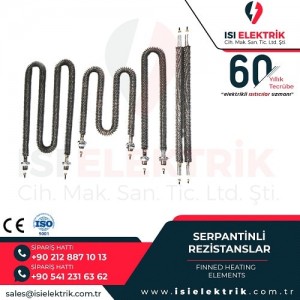
What is Serpentine Heaters?
Serpentine heaters are electric heating elements produced in a coiled or spiral shape. These heaters can consist of one or two different alloys and can have cylindrical coils made with the most suitable resistance wires.
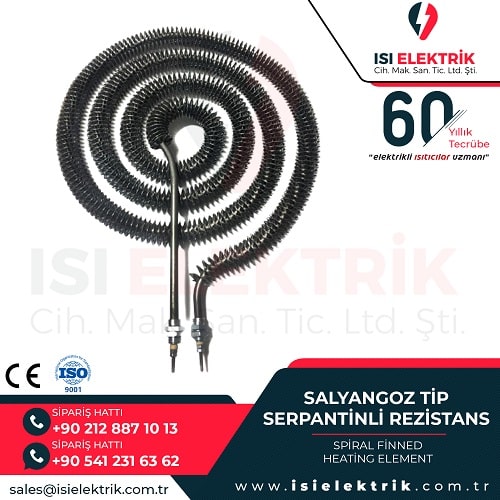
Types of Serpentine Heaters
- Spiral Serpentine Heaters: Metal wire, in tube or cylinder form, is coiled spirally to create a heating element. These heaters are used in many industrial and domestic heating applications.
- Tube Serpentine Heaters: Heating elements placed inside metal tubes. They are commonly used for heating liquids or gases.
- Straight Serpentine Heaters: Heating elements made from flat metal plates or wires. Straight serpentine heaters are generally preferred for heating flat surfaces.
- U-Shaped Serpentine Heaters: Heater with a U-shaped structure designed especially for heating liquids. Liquids heat up as they pass through the serpentine heater.
- Custom Design Serpentine Heaters: Specialized serpentine heaters designed and shaped for specific applications. For example, there are serpentine heaters designed for industrial ovens or chemical processes.
Technical Specifications of Serpentine Heaters
- General Specifications:
- Power: Can be produced in various powers ranging from 500 Watts to 3000 Watts.
- Voltage: 220 Volts or 240 Volts
- Temperature Range: Can be used in various temperature ranges from 50°C to 500°C.
- Body Material: Can be manufactured from various materials such as stainless steel, aluminum, or cast iron.
- Heating Element Material: Can be made from various materials such as nickel-chromium, stainless steel, or Inconel.
- Protection Class: Can be produced in various protection classes such as IP20, IP44, or IP65.
- Connection Type: Can be produced in various connection types such as butterfly nut, cable connection, or plug-in connection.
- Other Technical Specifications:
- Heating Rate: How quickly the heater can heat up.
- Cooling Rate: How quickly the heater can cool down.
- Heat Distribution: How the heater distributes heat.
- Lifespan: How long the heater can last.
Applications of Serpentine Heaters
- Industrial Ovens: Used in metal processing, glass melting, ceramic production, and other industrial oven applications.
- Food Industry: Commonly used in cooking and heating equipment used in food processing, baking, restaurants, and catering.
- Chemical Industry: Used to meet the heating requirements of many chemical production processes such as reactions, distillation, and synthesis.
- Oil and Gas Industry: Used for process heating and other heating requirements in petroleum refineries, gas processing plants, and oil production facilities.
- Plastic Industry: Used for heating in plastic extrusion machines, injection molding machines, and other plastic processing equipment.
- Packaging Industry: Used in the production and processing of plastic and paper packaging materials.
- Automotive Industry: Used in the production of automotive parts, paint drying facilities, and other automotive applications.
- Home Heating and Water Heaters: Used in home hot water tanks, water heaters, and central heating systems.
Advantages of Serpentine Heaters
- High Efficiency: Serpentine heaters convert electrical energy into heat quickly and effectively, providing high efficiency.
- Flexibility: Can be produced in different shapes and sizes, providing adaptability to various applications.
- Fast Heating: Serpentine heaters can heat up quickly and reach the desired temperature rapidly.
- Long Lifespan: Made of high-quality materials, serpentine heaters are durable and long-lasting.
- Easy Installation and Maintenance: They are generally easy to install and maintain, reducing operating costs.
- Wide Application: Can be used in industrial, commercial, and residential applications.
- Precise Control: Can provide precise temperature control, ensuring desired heat levels in specific processes.
- Environmentally Friendly: As they use electricity, they are generally environmentally friendly and help conserve fuel resources.
Materials Used in Serpentine Heater Production
- Heating Element Materials: Nickel Chromium Alloy, Stainless Steel, Inconel
- Tube or Wire Materials: Stainless Steel Tubes or Wires, Incoloy, Copper
- Body Materials: Stainless Steel, Aluminum, Cast Iron
- Insulation Materials: Ceramic, Mineral Insulation, Mica
- Connection Elements: Stainless Steel, Nickel Plated Brass
Technical Details to Consider When Choosing Serpentine Heaters
- Power Capacity: The heating power of the heater should meet the requirements of the application.
- Voltage: The voltage used should be considered for compatibility with the electrical system.
- Temperature Range: The operating temperature range of the heater should match the requirements of the application.
- Material: The heating element and body material should be suitable for the operating environment.
- Size and Shape: The dimensions of the heater should be suitable for the intended space.
- Connection Type: The connection type of the heater affects installation and integration processes.
- Protection Class and Insulation: Choose a suitable protection class for the environment where the heater will be used.
- Heat Distribution: Homogeneous heat distribution is important for process stability.
- Application and Environmental Conditions: Consider the characteristics of the environment where the heater will be used.
- Cost and Performance Balance: Balance cost and performance when selecting the most suitable heater.