ST Type Electrical Fan Heaters
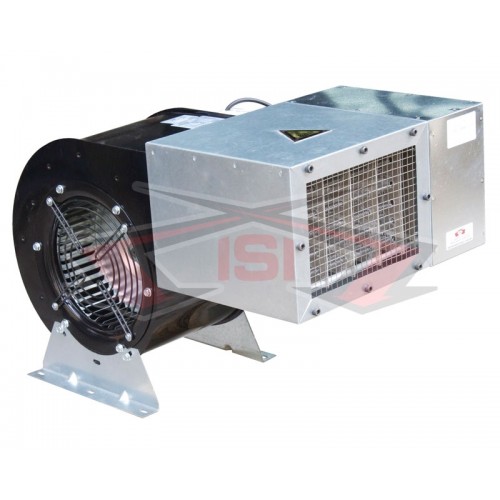 ST Type Electrical Fan Heaters
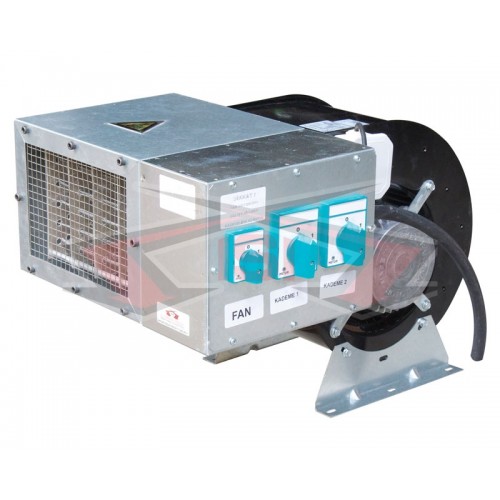 ST Type Electrical Fan Heaters
MK Type Electrical Fan Heaters
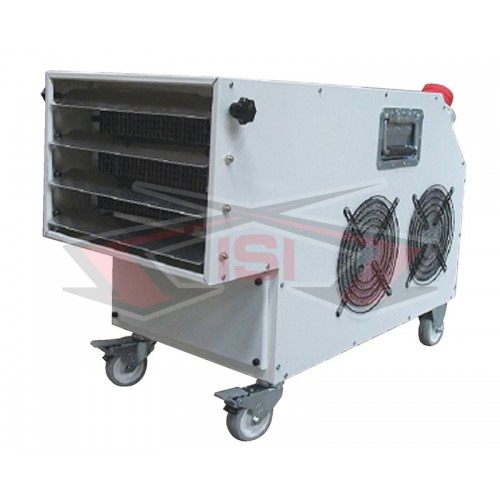 MK Type Electrical Fan Heaters
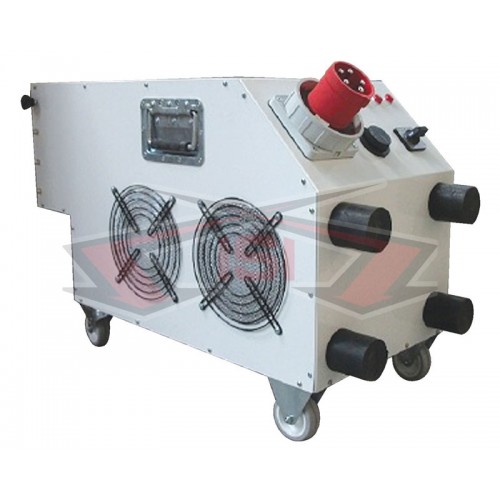 MK Type Electrical Fan Heaters
YT Type Electrical Fan Heaters
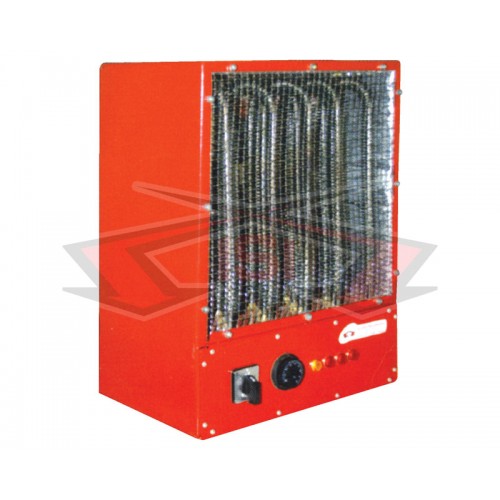 YT Type Electrical Fan Heaters
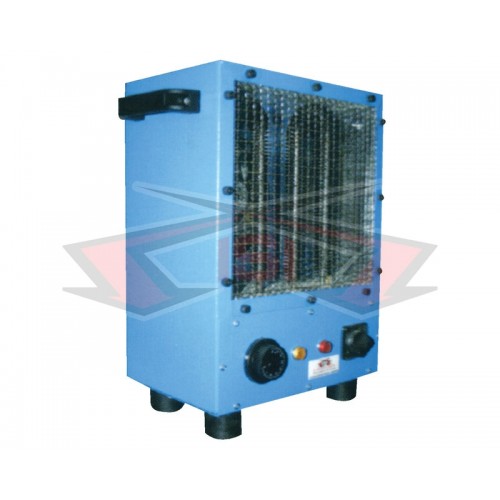 YT Type Electrical Fan Heaters
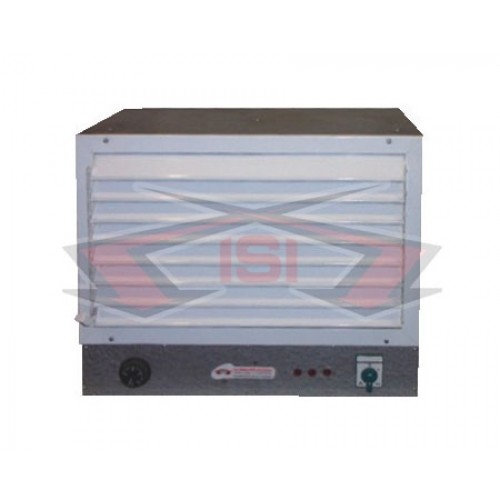 YT Type Electrical Fan Heaters
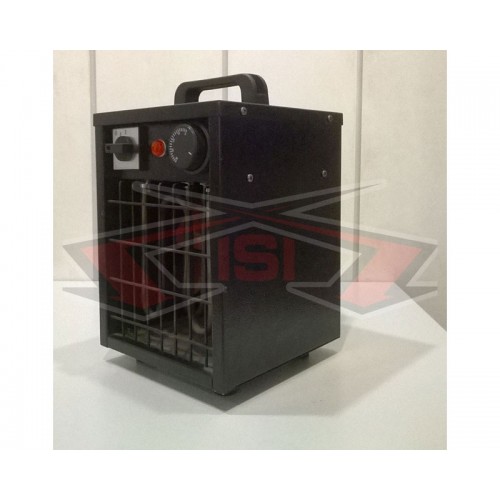 YT Type Electrical Fan Heaters
Cabin Heaters
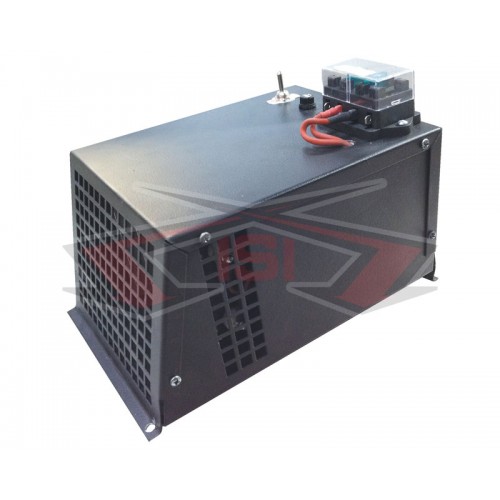 Cabin Heaters
Fan Heaters
-min-500x500.jpg) Fan Heaters
Fan Heaters
-min-500x500.jpg) Fan Heaters
Fan Heaters
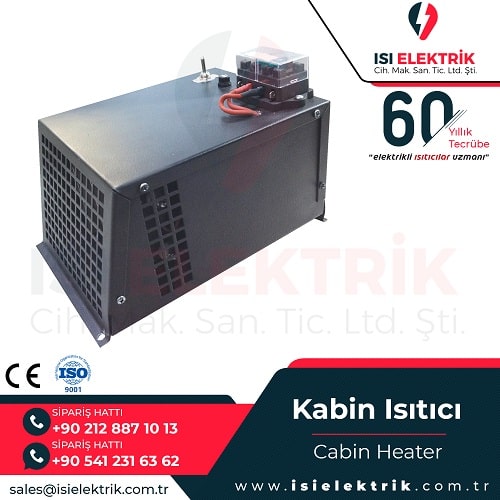 Fan Heaters
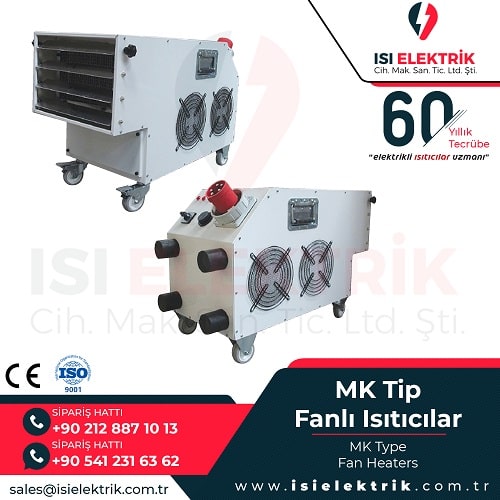 Fan Heaters
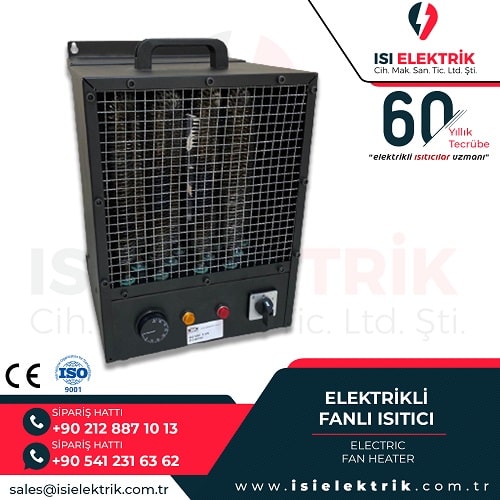 Fan Heaters
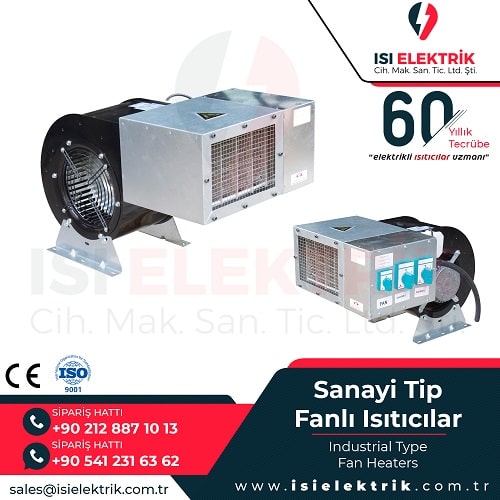 Fan Heaters
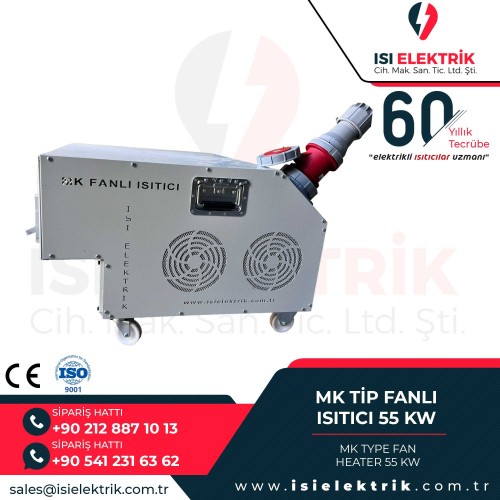 Fan Heaters
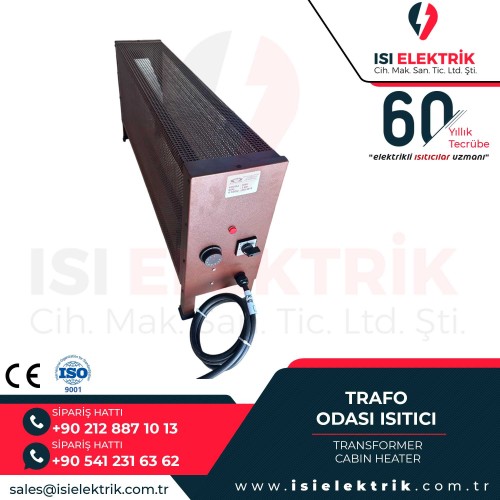 Fan Heaters
 Fan Heaters
 Fan Heaters
Fan Heaters
.jpg)
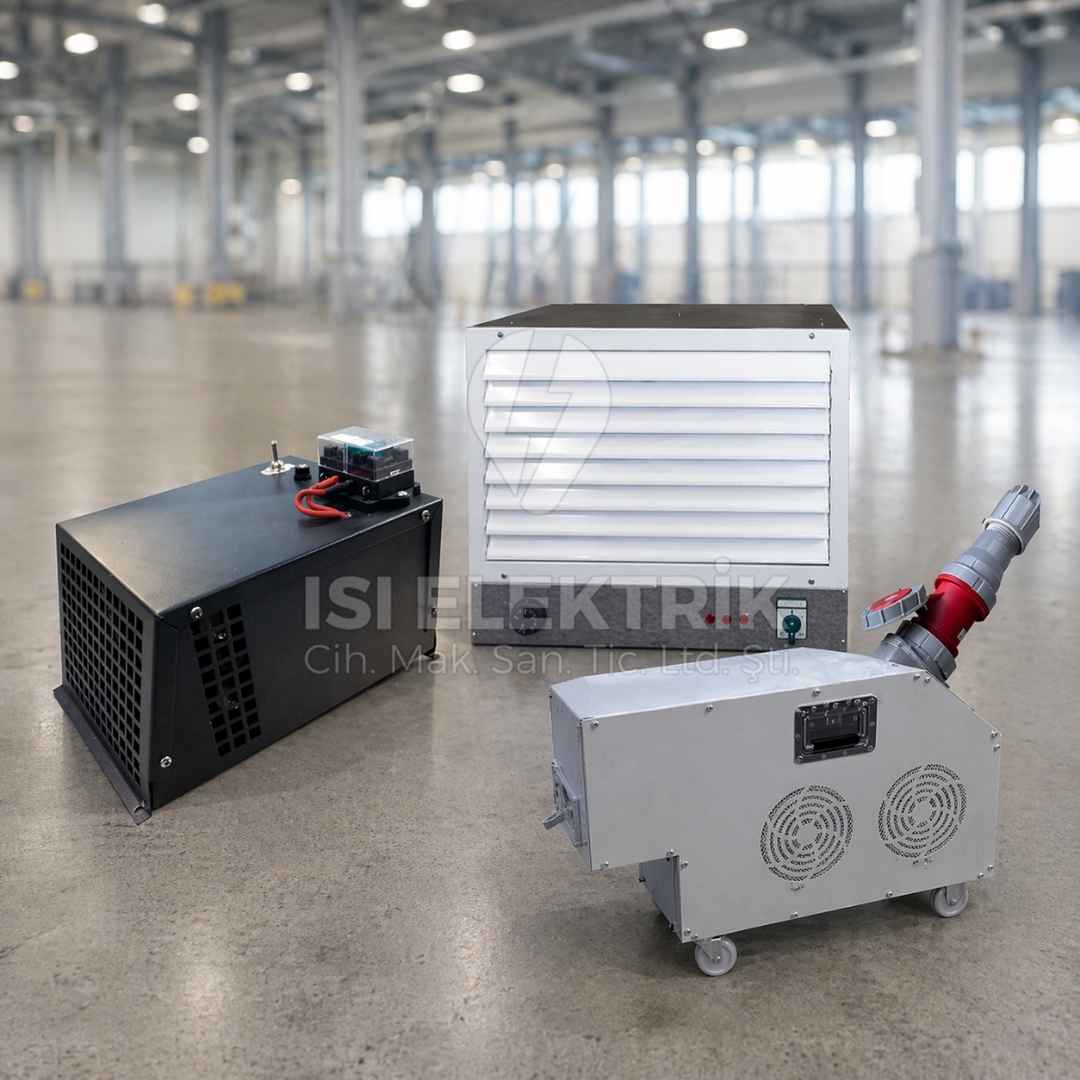
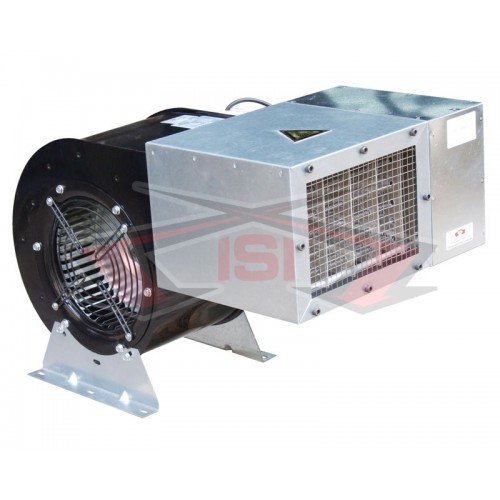
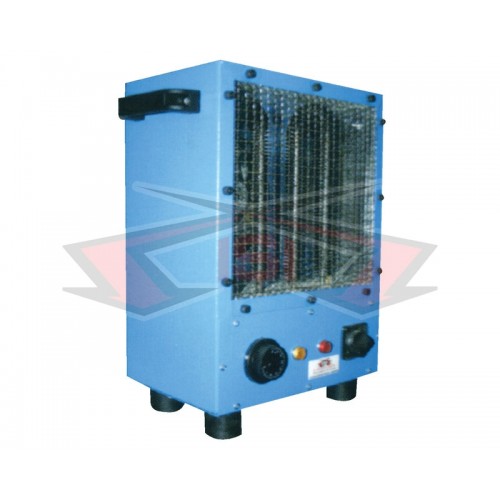
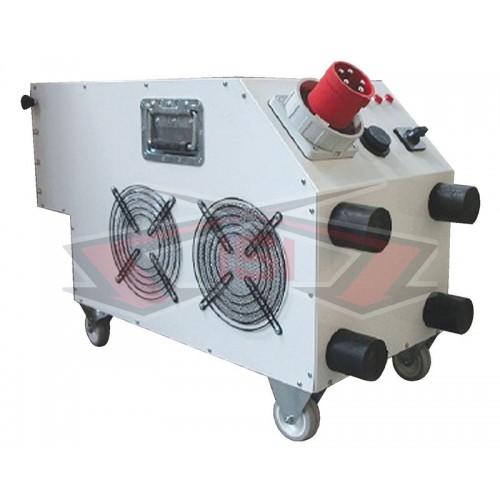
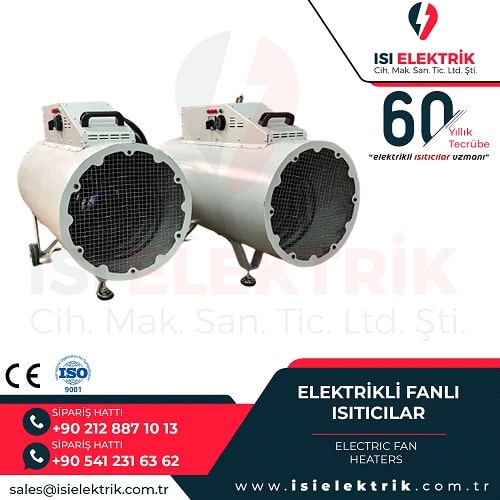
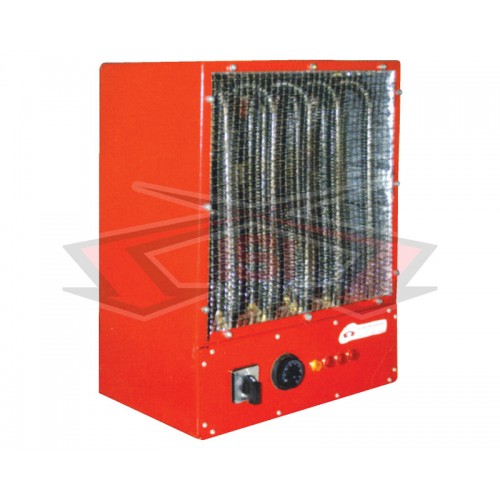
Fan heaters are industrial heating solutions in which heat generated by electric heating elements is transferred into a controlled airflow with the help of a fan. In these systems, the goal is not simply for a heater to become hot. The goal is to move that heat efficiently and in a directed way into a defined chamber, duct, cabinet, machine interior, or process zone. For this reason, fan heaters are especially valuable in industrial applications where air-based heating plays a major role.
Isı Elektrik Rezistans, with more than 65 years of sector experience dating back to 01.01.1960, approaches fan heater solutions through a process-oriented perspective supported by manufacturer capability, custom-size production, project-based work, engineering support, and technical consultancy. Selecting the correct fan heater is not merely a matter of choosing a unit that blows warm air. Target temperature, airflow rate, chamber volume, heater power, fan structure, mounting direction, environmental conditions, and operating cycle must all be evaluated together. Correctly planned systems provide more stable temperature, better energy efficiency, and safer operation, while incorrectly selected solutions may create insufficient heating, uneven distribution, excessive consumption, and maintenance issues.
What Are Fan Heaters?
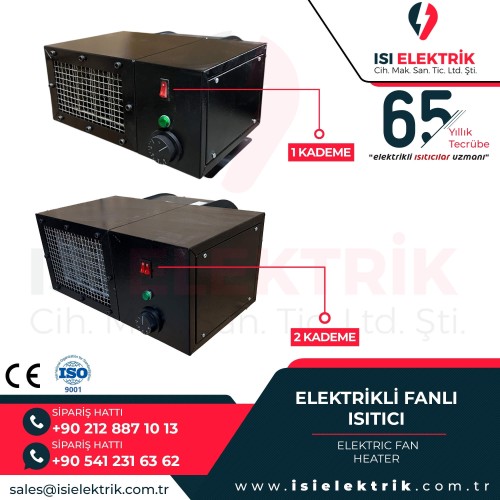
Fan heaters are systems in which heat generated by one or more electric heating elements is transferred to moving air through fan support. These products are generally used not for broad comfort heating, but for controlled heating of a defined zone, duct, cabinet, machine chamber, or process area. Because the airflow is actively directed, heat does not remain concentrated in one point and a more balanced temperature distribution can be achieved.
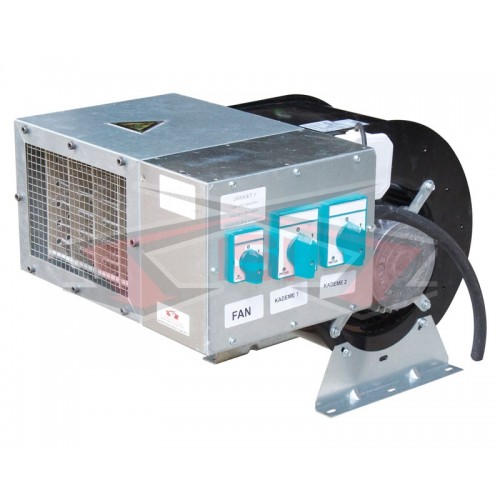
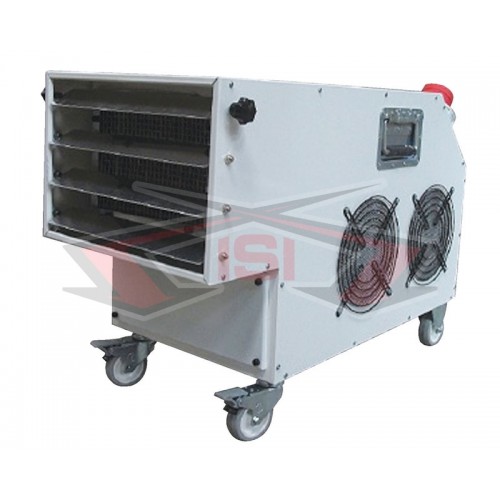
In industrial applications, fan heaters may appear in different forms. Duct-type systems, panel and cabinet heaters, compact process-focused units, hot-air modules for drying, or project-specific custom solutions may all fall under this product group. For that reason, a fan heater should not be understood as one single device type, but as a family of technical solutions that transfer heat through controlled airflow.
What Is Their Technical Structure?
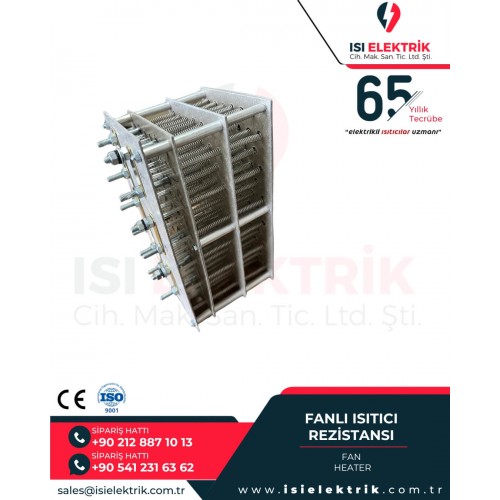
The technical structure of fan heaters basically consists of heating elements, a fan assembly, a body structure, an air-guiding section, terminal components, and when required, control equipment. The heating elements convert electrical energy into heat, while the fan transfers that heat into the air stream in a controlled way. The body and internal arrangement then influence the direction, speed, and contact time of the airflow, contributing directly to total performance.
In this product group, technical design is not only about assembling components. The position of the heaters, the location of the fan, the airflow passage area, the safety spacing, and the material of the outer housing all need to work together. Especially in systems that operate continuously or are critical to the process, this balance is decisive for both performance and service life.
How Do They Work?
The operating principle of fan heaters is based on transferring the heat produced by electric heating elements into a forced airflow created by a fan. The fan takes in air from the chamber or environment, moves it through the heated section, and directs the warmed air toward the target zone. In this way, heat transfer becomes faster and more controlled than systems relying only on natural convection.
This principle offers major advantages in applications where temperature must be actively delivered to a certain location. In air duct heating, drying systems, machine-internal thermal balancing, and controlled heating of enclosed volumes, fan support provides not only faster heating but also more even distribution.
Where Are Fan Heaters Used?
Fan heaters can be used in many systems where air-based heating is required. Common application areas include:
- Air duct heating systems
- Drying and hot-air processes
- Machine chamber heating solutions
- Thermal balancing inside electrical panels and technical cabinets
- Target-zone heating along production lines
- Support air-circulation systems in industrial furnaces
- Surface drying and stabilization lines
- Hot-air applications in textile and packaging processes
- Support solutions in thermoforming and plastics processing
- Project-based special air-heating needs
The common requirement in all these applications is not simply heat generation, but controlled transport of heat through air. For that reason, the fan structure is not just an additional component, but one of the core functional parts of the system.
Which Industries Use Fan Heaters?
Fan heaters can be used across many industrial sectors, including automotive, glass, tempering furnaces, screen-printing furnaces, glass bending furnaces, glass slumping furnaces, defense industry, food processing, medical manufacturing, chemical production, textile, aerospace, metal and machinery, aluminum extrusion, annealing furnaces, heat treatment furnaces, melting furnaces, tempering furnaces, wood and furniture, plastics, injection machinery, extruder systems, hot runner systems, plastic molds, thermoforming, and home appliance manufacturing.
The expectations are not the same in all sectors. Some applications need rapid hot-air movement, while others require more controlled, lower-flow thermal balancing. For this reason, fan heater selection should be made according to the real application rather than the sector name alone.
Technical Review and Product Types
Fan heaters may be produced as duct-type units, compact body systems, panel-integrated products, process-specific designs, or fully customized engineering solutions. During technical review, the heated chamber, target temperature, airflow demand, and operating cycle must first be defined. After that, the heater power, fan capacity, and housing design can be planned correctly.
From a technical point of view, two products with the same power may perform differently in the field because of differences in fan structure or internal airflow design. That is why product type should not be selected based only on outer appearance or a general power figure, but on total system behavior.
Dimensions and Size Options
Fan heater dimensions are directly related to the space in which the unit will be installed. Housing dimensions, air inlet and outlet area, internal heater placement, and fan size all matter. Compact structures may be required for limited spaces, while larger air passage areas may be needed in high-flow systems.
Especially in machine interiors, duct sections, or enclosed cabinet applications, standard sizes may not always be suitable. For that reason, custom-size fan heater solutions create an important advantage in terms of field compatibility and performance.
Diameter, Length, Thickness, and Form
Diameter may be evaluated through the fan components and airflow arrangement. Length and body size are important in terms of installation compatibility and internal component layout. Thickness is connected to housing strength, insulation, and in some cases airflow design. Form determines whether the system is duct-type, compact box-type, cabinet-type, or project-specific in geometry.
Form selection is important not only for fitting the available area, but also for ensuring that air moves correctly across the heating elements. Poor geometric design may reduce both heating efficiency and airflow distribution. For that reason, physical form is also a direct technical performance criterion.
How Should Temperature Values Be Determined?
Temperature value in fan heater systems depends on the application. A panel-balancing heater does not have the same temperature expectation as a hot-air solution in a drying line. For that reason, temperature planning must include not only the target value, but also heat-up time, airflow rate, chamber loss, and required operating cycle.
Because the title does not specify an exact temperature figure, the correct technical explanation is that the required temperature range changes according to the application. What matters technically is whether the system can maintain the required range in a stable and controlled way.
Why Are Wattage and Voltage Important?
Wattage defines the total heating capacity of the fan heater, while voltage defines the electrical infrastructure in which it operates. If wattage is too low, the system may struggle to reach target temperature or the airflow may pass through before gaining sufficient heat. If wattage is too high, some applications may suffer from excessive energy consumption and more difficult thermal control.
Correct voltage selection is equally critical. A structure that does not match the plant infrastructure may create performance loss and safety risk. For that reason, wattage and voltage must always be selected by evaluating the product together with all field conditions.
Why Is Material Structure So Important?
The material structure of a fan heater is one of the main factors defining durability and service life. Housing material, the structure of the internal heaters, fan components, and terminal parts should all be selected according to the operating environment. Dusty areas, humid installations, vibration, high thermal loss, and process-sensitive zones do not all require the same material solution.
Incorrect material selection may result in corrosion, housing deformation, terminal weakness, fan-performance loss, and early maintenance need. For this reason, material structure is one of the key technical topics in fan heater design.
Durability, Performance, and Efficiency
Durability means that the product can continue heating air with the same stability over long periods, not only when first commissioned. Performance is related to reaching target temperature, transferring enough heat into the airflow, and distributing that temperature evenly. Efficiency shows how well this performance is achieved relative to energy use.
Correctly designed fan heaters provide faster thermal response, more stable temperature, more effective air distribution, and lower maintenance need. Especially in production environments where process time and temperature stability are critical, this difference has a direct effect on quality.
Energy Consumption and Energy Efficiency
Energy efficiency is one of the major factors to consider when selecting a fan heater. Not only the power of the heating elements matters, but also how effectively the fan directs the heated air. In poorly designed systems, a large portion of the generated heat may be lost before reaching the target zone.
Correct heater placement, appropriate airflow rate, proper housing design, and a balanced control structure produce more efficient results. For this reason, energy performance should be evaluated through the total product design rather than the power figure alone.
Mounting and Integration Information
Fan heater installation directly affects total success. The air inlet and outlet direction, mounting surface, service access, electrical connection, and safe operating clearance all need to be planned correctly. In duct-type products the flow direction is important, while in panel or cabinet heaters compact placement and serviceability come to the front.
Installation does not end with fixing the unit in place. The airflow must remain unobstructed, the heated air must reach the target zone, and the electrical infrastructure must be integrated safely. That is why integration details should be evaluated before ordering.
Custom Production Options
Custom fan heater production is necessary in many industrial applications because not every facility has the same airflow demand, installation space, temperature target, or process structure. Standard products may work in many situations, but narrow spaces, special duct sizes, different power requirements, or project-based housing designs often require custom solutions.
Isı Elektrik Rezistans, as a manufacturer, can support custom dimensions, custom housing form, custom heater layout, and project-based technical planning. This makes it possible to develop not only a physically compatible product, but also a process-compatible solution.
Technical Criteria Before Ordering
Before ordering a fan heater, the following information should be shared:
- What is the application type?
- Which area or volume will be heated?
- What is the target temperature range?
- What airflow rate is required?
- What are the wattage and voltage requirements?
- What are the installation dimensions?
- Is the environment dusty, humid, or exposed to vibration?
- Will the system run continuously or intermittently?
These details help define the correct technical proposal and avoid later performance or installation mismatches. When a project moves forward with incomplete information, the risk of unsatisfactory results becomes much higher.
What Should Be Considered for Correct Product Selection?
Correct fan heater selection should not be based only on whether the unit becomes hot. Airflow, heated volume, temperature need, mounting direction, environmental conditions, material structure, and control method must all be reviewed together. Two products with similar power may still perform very differently in real operating conditions.
That is why technical consultancy provides an important advantage in B2B purchasing processes. The wrong product selection may lead not only to energy loss, but also to lower process quality and higher maintenance cost.
How Do Fan Heaters Differ from Similar Products?
Fan heaters differ from classic surface heaters, straight heater systems, or natural-convection-based solutions because they actively move heat through forced airflow. This makes them especially functional wherever directed hot air is required. While surface heaters transfer heat to a limited point, fan-based systems can distribute temperature across a larger volume.
This difference is not mainly a quality issue, but a usage-logic issue. If the application requires hot-air circulation, a fan-assisted solution is often the more appropriate choice.
Service Life and Maintenance Factors
The service life of fan heaters is directly related to correct product selection and regular maintenance. Fan blades, airflow passages, heating elements, terminals, housing surfaces, and control components should all be checked periodically. In dusty or intensive-duty environments, maintaining fan performance becomes even more critical.
If periodic maintenance is neglected, airflow may decrease, heat-transfer efficiency may drop, and the total performance of the system may deteriorate. For that reason, maintenance is one of the main foundations of long-term performance continuity in fan heater solutions.
Industrial Advantages and Business Benefits
A correctly selected fan heater system can provide the following benefits:
- Faster and more balanced air heating
- More stable process temperature
- More efficient energy use
- Lower maintenance and downtime cost
- Safer operating infrastructure
- More flexible integration options
- More repeatable production results
These advantages create serious value especially in production lines where hot air directly affects process quality. That is why fan heaters should be considered not only as auxiliary equipment, but as strategic process components.
Fan Heaters
Fan heaters offer powerful and flexible solutions in industrial applications requiring controlled hot air. Because they use airflow actively, they do not only generate heat; they deliver it to the target zone more efficiently. However, for a successful result, not only the product type but also the heater structure, fan capacity, body form, power selection, installation conditions, and field requirements must be evaluated carefully together.
Isı Elektrik Rezistans, with its manufacturer identity, more than 65 years of experience, custom production capability, and technical consultancy support, develops fan heater solutions not only on a product basis but through a full process and field-oriented approach. This creates a strong foundation for safer, more efficient, and longer-lasting industrial heating systems.
Frequently Asked Questions
1. What do fan heaters do?
They transfer generated heat into airflow with fan support and provide controlled heating of a defined area or chamber.
2. Where are fan heaters used?
They are used in air ducts, drying systems, panels and cabinets, machine chambers, and process air-heating applications.
3. What is their main advantage?
Their main advantage is that they provide faster and more balanced temperature distribution through forced airflow.
4. How is wattage determined?
It is determined according to the heated chamber, target temperature, airflow rate, heat loss, and operating cycle.
5. Why is voltage important?
Because it ensures that the product works safely and compatibly with the plant’s electrical infrastructure.
6. Is custom production possible?
Yes. Housing dimensions, airflow passage, heater structure, and mounting form can all be custom-manufactured according to the project.
7. Why is material structure important?
Durability, corrosion resistance, thermal safety, and service life all depend directly on material structure.
8. What problems can wrong product selection create?
It may lead to insufficient heating, uneven temperature distribution, high energy use, increased maintenance, and lower process quality.
9. Do fan heaters require maintenance?
Yes. Fan assemblies, airflow paths, terminals, and heating elements should all be inspected regularly.
10. What is the advantage of working with a manufacturer?
The correct power, airflow, housing form, and technical solution can be defined much more accurately with direct manufacturer support.
Fan Heaters | Effective Heating Performance for Industrial Areas | Isı Elektrik Rezistans