Menu
Your Cart

Flexible Silicone Heaters

Flexible Silicone Heaters
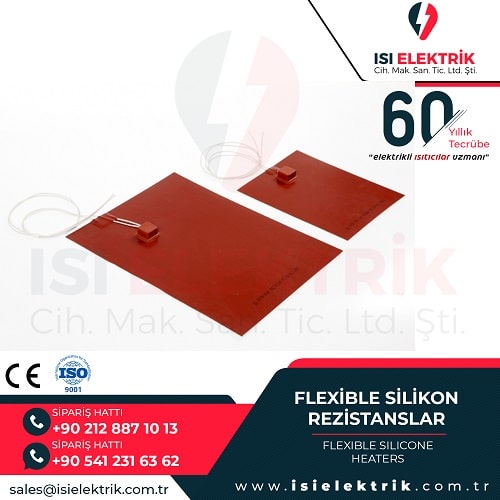
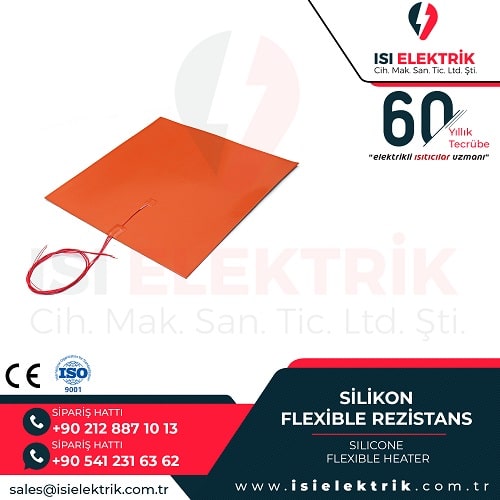
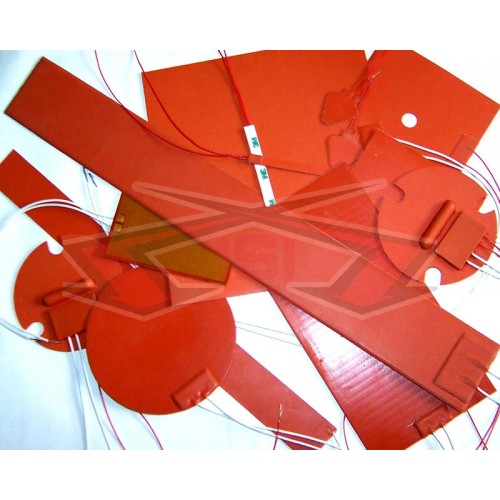
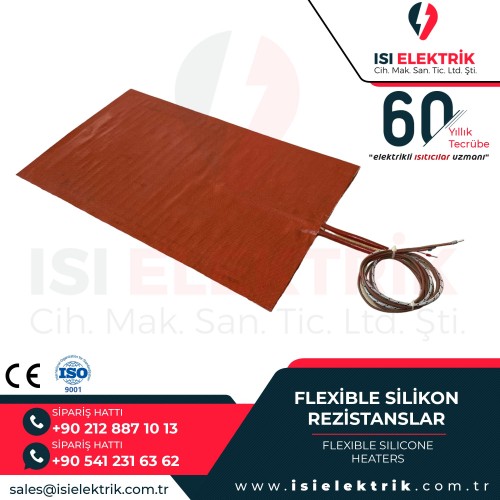
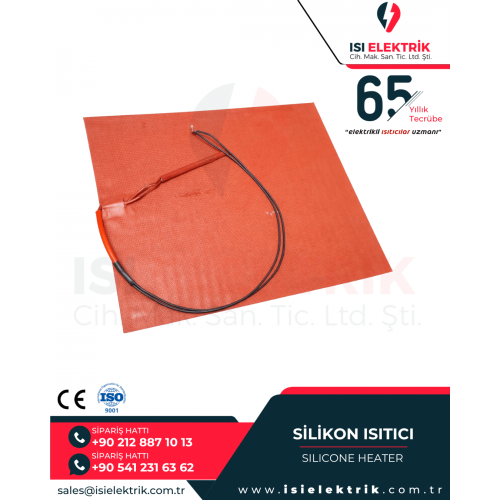
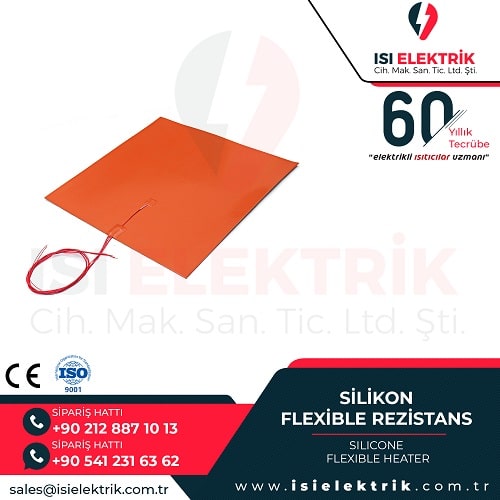
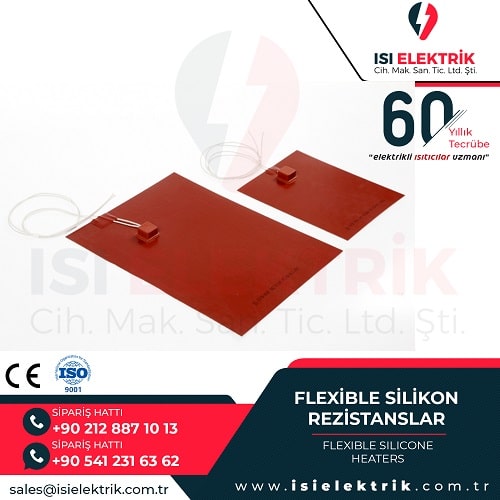
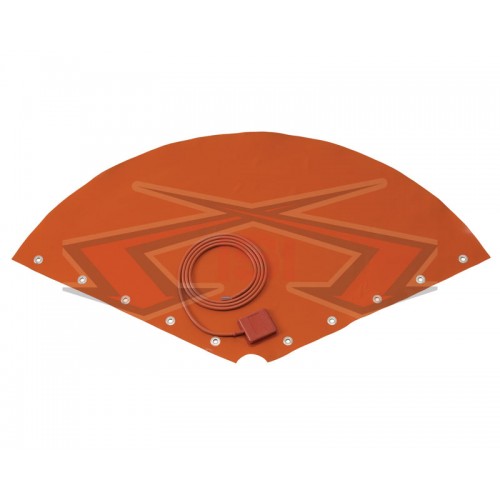
Flexible Silicone Heaters are specialized heating elements designed to maximize surface contact on different geometric surfaces, ensuring the most efficient heating performance. Thanks to their flexible structure, they conform perfectly to the surface, allowing homogeneous heat distribution. Compared to traditional heating elements, silicone heaters offer a more precise and efficient solution while consuming less energy and delivering high performance.
These heaters are manufactured from high-quality silicone materials, providing both flexibility and durability. The internal resistance wires ensure rapid heating, effectively utilizing energy. Additionally, their high-temperature resistance ensures long-lasting performance even under extreme conditions.

Flexible silicone heaters adapt seamlessly to complex and irregular surfaces. Their lightweight structure makes them easy to transport and install. With low energy consumption, they quickly reach the desired temperature, offering fast heating capabilities. Their durable design withstands high temperatures and mechanical impacts, while their even heat distribution ensures uniform surface heating.

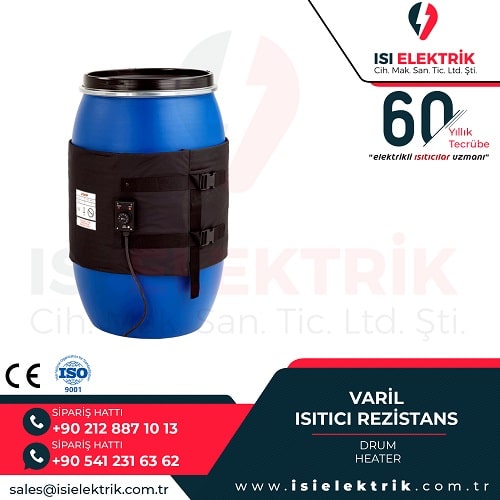
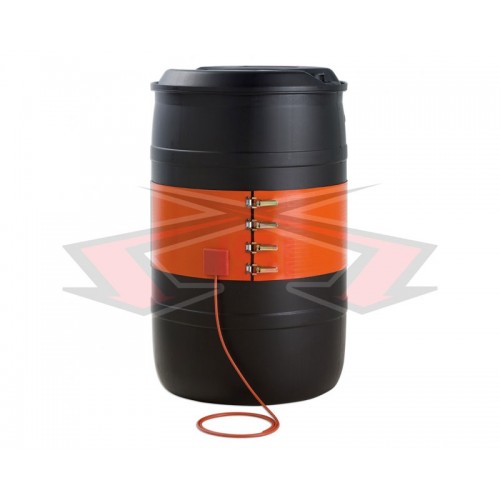
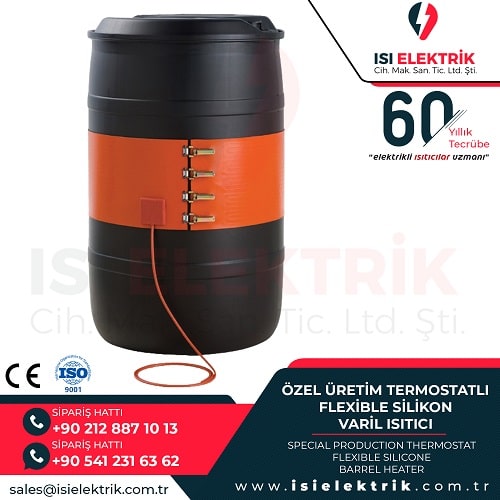
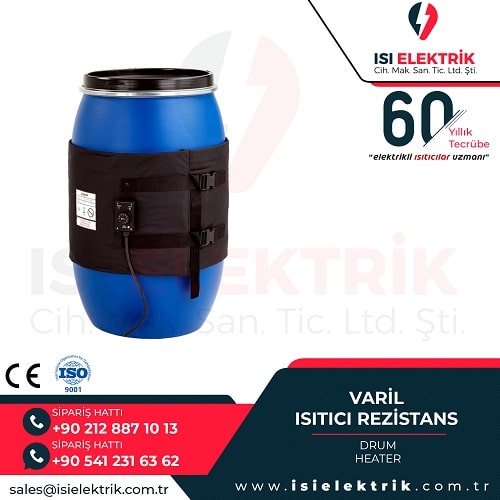
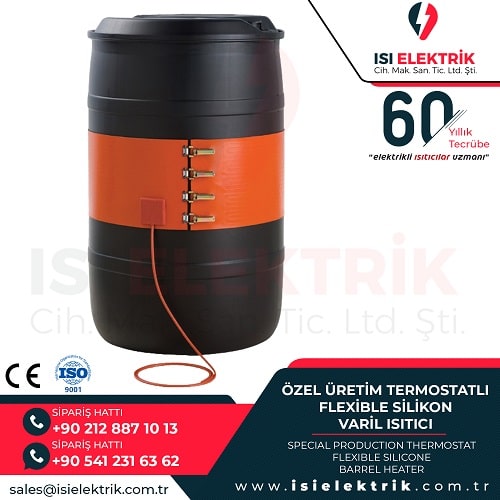
This type of heater is widely used across various industries. In the cosmetics industry, for example, they are commonly wrapped around the outer surfaces of raw material barrels to prevent solidification and maintain a stable temperature. Additionally, they are used in medical devices, laboratory equipment, industrial machinery, and food processing applications. Wherever precise temperature control is required, these heaters provide an effective solution.

The installation of flexible silicone heaters is simple, and they can be produced in different sizes and power levels to fit various surfaces. Their ability to be customized according to user needs, combined with energy efficiency and long service life, makes them a preferred choice for industrial heating solutions. Designed to meet high safety standards, these heaters provide safe and efficient performance throughout their operation.

Flexible Silicone Heater

A flexible silicone heater is a type of resistance heater made from heat-resistant silicone material and can be used over a wide temperature range. These heaters, thanks to their flexible structures, can easily adapt to different surfaces and evenly heat large areas.

Types of Flexible Silicone Heaters

  • Single-direction flexible silicone heaters: These types of heaters typically generate heat in one direction. They have a flat or bendable structure and are usually placed on a base material. They are preferred when targeted heating of a specific surface is required. Widely used in industrial equipment, laboratory devices, and the food processing industry, their single-direction heat dispersion ensures energy efficiency while effectively focusing heat on a particular area.
  • Dual-direction flexible silicone heaters: These heaters can emit heat both upwards and downwards, making them suitable for applications that require heat to be distributed in both directions. They help maintain thermal balance between surfaces, providing uniform heating. Dual-direction heaters are commonly used in medical devices, industrial drying systems, and applications such as pipe heating, storage tank warming, and large surface heating.
  • Custom-designed flexible silicone heaters: These heaters are specifically manufactured to meet industrial requirements and can be customized with different power levels, shapes, and connection types. They are available in various thicknesses and cuts to perfectly fit the heating surface. Examples include models designed for heated vests, medical warmers, and electronic component protection.
  • Self-regulating flexible silicone heaters: This type of heater features a special design that automatically reduces heat output when a certain temperature is reached. They are used to maximize energy efficiency and minimize the risk of overheating. These heaters are commonly found in applications such as freeze prevention for pipes in cold environments, protection of medical devices, and portable heating solutions.
  • High-temperature-resistant flexible silicone heaters: Capable of withstanding temperatures up to 250°C, these heaters can operate safely under extreme thermal conditions. They are widely used in the chemical, automotive, and aerospace industries. With excellent heat stability and long lifespan, they provide reliable solutions for continuous heating processes.

Technical Specifications of Flexible Silicone Heaters

  • Power Range: Can vary from 200 W to 4000 W.
  • Voltage Levels: Voltage levels ranging from 24 V to 480 V can be used.
  • Heat Tolerance: Can operate within temperature ranges from -40°C to 200°C.
  • Body Material: Silicone-based.
  • Heating Element Material: Nickel-chromium alloy or stainless steel is used.
  • Dimensions: Can be customized according to the requirements of the heating area.
  • Connection Options: Connections can be made with terminals, cables, or plugs.
  • Heating Rate: Varies depending on the heating power and application characteristics.
  • Cooling Time: Varies depending on ambient temperature and size of the heated area.
  • Heat Distribution: Provides homogeneous heat distribution.
  • Service Life: Can last up to 5 years depending on usage conditions.
  • Protection Class: Different protection classes such as IP40 or IP65 are available.
  • Mounting Options: Varies depending on the size and type of the heater, typically offering different mounting options.

Advantages of Flexible Silicone Heaters

  • Fast Response Time: Flexible silicone heaters convert energy into heat quickly, reaching the desired temperature in a short time due to their low thermal mass. This feature is a significant advantage in applications requiring rapid response, from industrial machinery to medical devices.
  • Low Power Consumption: Thanks to their high thermal efficiency, flexible silicone heaters generate maximum heat while consuming minimal energy. This ensures energy savings, reduces operating costs, and offers an environmentally friendly solution. They are especially economical for long-duration heating applications.
  • Eco-Friendly Material: Silicone is a recyclable and non-toxic material. It does not release harmful gases or chemicals during use, making it ideal for food processing, healthcare, and laboratory equipment. Its long lifespan also reduces waste production, minimizing environmental impact.
  • Silent and Vibration-Free Operation: Unlike traditional heating elements requiring mechanical movement or fans, flexible silicone heaters operate silently. This is a great advantage for applications needing a quiet environment, such as laboratories, office equipment, and medical devices.
  • Flexible and Lightweight Design: Unlike rigid traditional heaters, flexible silicone heaters can be bent and shaped to fit complex surfaces, ensuring maximum heat transfer. They are widely used in drum heaters, pipeline heating, surface heating systems, and portable heating solutions.
  • Wide Operating Temperature Range: Flexible silicone heaters can operate efficiently in temperatures ranging from -60°C to 250°C. This makes them suitable for both low-temperature and high-temperature applications.
  • Water and Chemical Resistance: Due to their silicone coating, these heaters are highly resistant to moisture, water, oil, and various chemicals. This makes them reliable for use in food processing, chemical industries, and outdoor applications.
  • Flexible Control Options: Flexible silicone heaters can be used with thermostats, thermocouples, and temperature sensors to provide precise temperature control. This is a crucial advantage for applications that require strict temperature regulation.
  • Easy Installation and Maintenance: Their lightweight and flexible structure allows for quick and easy installation. They can be applied to any surface using adhesive backing or Velcro fasteners. Additionally, their durability ensures minimal maintenance requirements.

Materials Used in Flexible Silicone Heaters Production

  • Silicone:
    • Responsible for the flexibility of the heaters.
    • Resistant to high temperatures (up to 200°C).
    • Flexible and durable.
    • Resistant to chemicals.
    • Electrically insulating.
  • Heating Element:
    • Nickel chromium (NiCr): The most commonly used heating element material. Resistant to high temperatures (up to 1200°C) and long-lasting.
    • Stainless steel: Preferred in the food and pharmaceutical industries due to its corrosion resistance. Can be used at temperatures up to 800°C.
  • Conductor:
    • Copper: The most commonly used conductor material. It has high electrical conductivity.
    • Nickel: Can be used at higher temperatures.
  • Adhesive:
    • Silicone-based adhesives are used.
    • Must be heat resistant and flexible.
  • Other Materials:
    • Filler Material: Used to distribute heat evenly.
    • Protective Coating: Used to protect the heater from corrosion and abrasion.

Technical Details to Consider When Selecting Flexible Silicone Heaters

  • Heat Distribution: It is important for the heaters to distribute heat homogeneously. Even heat distribution ensures consistent temperature throughout the heated area.
  • Ease of Installation: The installation and assembly of the heaters should be easy. Installation requirements and instructions should be carefully reviewed.
  • Durability and Lifespan: Longevity of the heaters is important for cost reduction and operational continuity. Heaters made of durable materials and assembled with quality craftsmanship should be preferred.
  • Cost-effectiveness: The cost of the heaters should be within budget. However, selection should not be solely cost-focused; quality, performance, and long-term usage should also be considered.
  • Temperature Control: Some applications may require precise temperature control. In such cases, the temperature control features of the heaters and compatible control systems should be considered.
  • User Feedback: User evaluations and feedback regarding the heaters' performance and reliability can provide valuable insights.
  • Warranty and After-sales Support: The warranty period and after-sales support services provided by the manufacturer or seller are important for resolving potential issues. Reliable after-sales support contributes to the long-term usage of the heaters.

Features of Flexible Silicone Heaters Providing High Thermal Efficiency

Flexible silicone heaters are preferred in many industrial and commercial applications due to their special design that ensures high thermal efficiency. These heaters minimize heat loss and maximize energy utilization through their flexible structure that allows full surface contact.

The high thermal conductivity of silicone material contributes to the even distribution of heat across the surface, ensuring uniform heating at every point. This feature provides a significant advantage, especially in applications where temperature fluctuations must be avoided.

With their low thermal mass, they offer fast heating and cooling processes, leading to energy savings. Compared to traditional metal heaters, they use energy more efficiently, helping to reduce operational costs.

Flexible silicone heaters provide maximum heat transfer thanks to their adaptability to different surfaces. This allows them to deliver high thermal efficiency even on cylindrical or irregular surfaces.

Additionally, designed for maximum performance with minimal power consumption, flexible silicone heaters have a long lifespan and require minimal maintenance. Their resistance to moisture, water, and chemicals ensures reliable performance even in harsh operating conditions.

Flexible silicone heaters offer excellent heating solutions with their fast response time, high thermal conductivity, low energy consumption, and long-lasting durability, making them an ideal choice for achieving high thermal efficiency.

Energy Savings with Flexible Silicone Heaters

Flexible silicone heaters are heating elements designed to maximize energy efficiency while providing optimal heating performance. Compared to traditional heating systems, these heaters consume less energy while generating more heat. Their adaptable structure allows them to be used effectively in various industries, including industrial manufacturing, medical devices, laboratory equipment, and the automotive sector.

  • Low Power Consumption: Flexible silicone heaters optimize energy usage by minimizing unnecessary power consumption. They ensure efficient heat distribution on direct contact surfaces, reducing heat loss and delivering high performance even at low watt values.
  • High Thermal Conductivity: Thanks to the excellent heat conductivity of silicone, heat spreads evenly across the surface. This prevents temperature differences and ensures uniform heating, reducing excessive energy consumption.
  • Rapid Heating and Cooling: Flexible silicone heaters convert electrical energy into heat almost instantly. Their fast heating and cooling properties help achieve the desired temperature quickly, avoiding unnecessary energy expenditure.
  • Uniform Heat Distribution: The flexible design of these heaters allows them to conform closely to surfaces, eliminating temperature inconsistencies. This prevents localized overheating or insufficient heating, minimizing energy loss.
  • Durable and Long-Lasting: Resistant to high temperatures, humidity, and chemical exposure, silicone materials provide long-lasting performance. This reduces the need for frequent maintenance or replacement, leading to both energy and cost savings.
  • Flexible and Lightweight Design: The thin and adaptable nature of silicone heaters allows them to be applied to surfaces of various shapes and sizes. They are especially suitable for custom-designed applications.
  • Smart Control Options: Flexible silicone heaters can be integrated with thermostats and temperature sensors. This ensures they operate at the required temperature level, preventing unnecessary power consumption and providing precise heating control.
  • Eco-Friendly Solution: With their low energy consumption and extended lifespan, flexible silicone heaters contribute to reducing carbon emissions. Their energy-efficient design makes them a sustainable heating solution.

Flexible silicone heaters are highly efficient, safe, and durable heating solutions used across multiple industries. From electronic devices to industrial machinery, these heaters help optimize energy consumption while protecting the environment and lowering operational costs. Their energy-saving properties provide long-term economic benefits, making them an essential component of sustainable heating systems.

Technical Details to Consider When Choosing a Flexible Silicone Heater

Flexible silicone heaters are heating elements used in many industrial and commercial applications, providing efficient heat transfer by fully adhering to the surface. However, making the right choice requires attention to several technical details. Here are the key factors to consider when selecting a flexible silicone heater:

  • Power (Watt) Rating: The correct wattage must be determined based on the heating requirements of the application. An incorrect selection may lead to excessive energy consumption or insufficient heating performance.
  • Voltage Compatibility: The flexible silicone heater must match the voltage of the system it will be used with. Common voltage options include 12V, 24V, 110V, and 220V.
  • Temperature Range: Depending on the application, the heater must withstand specific temperature ranges. Flexible silicone heaters typically operate between -60°C and 230°C.
  • Size and Shape: The heater should have the appropriate dimensions and shape to fully adhere to the surface. Custom designs ensure a better fit for specific applications.
  • Heat Distribution: Heaters that provide uniform heat distribution prevent temperature variations and offer efficient heating. This is especially important for large surfaces requiring even heating.
  • Mounting Options: Flexible silicone heaters can be mounted using adhesive backing, mechanical fasteners, or clamps. Selecting the best mounting method depends on the application.
  • Moisture and Chemical Resistance: Depending on the environment, a heater resistant to moisture and chemicals may be required. Silicone material generally offers high resistance to water and chemicals.
  • Control Mechanism: When used with a thermostat or temperature sensor, a flexible silicone heater can improve energy efficiency and prevent overheating.
  • Flexibility and Thickness: Flexible silicone heaters are available in different thicknesses. Thinner models offer better surface conformity and faster heating performance.
  • Durability and Lifespan: A high-quality silicone heater should be durable and long-lasting. Low-quality products may lose efficiency over time and wear out quickly.

By considering these technical details, you can select the most suitable flexible silicone heater for your needs. Choosing the right heater ensures energy efficiency while providing a long-term, safe, and effective heating solution.

Operating Principle of Flexible Silicone Heaters

Flexible silicone heaters are specialized heating elements that convert electrical energy into heat energy, efficiently warming surfaces. Thanks to their flexible structure, they conform to different surfaces and provide uniform heat distribution. Their operating principle is based on the following steps:

  • Transmission of Electrical Current: The fine wire or metal foil inside the heater offers resistance when electrical current is passed through it, generating heat.
  • Heat Generation: As the electrical current flows through the resistive material, it transforms into heat due to the Joule effect. This allows the surface temperature to rise quickly.
  • Uniform Heat Distribution: Due to their thin and flexible design, flexible silicone heaters make full contact with the surface. This ensures even heat distribution and eliminates localized overheating issues.
  • Energy Efficiency: The excellent insulation properties of silicone minimize heat loss, ensuring energy savings.
  • Control Mechanisms: Thermostats, temperature sensors, or manual control systems regulate the temperature within a desired range, preventing overheating and unnecessary energy consumption.
  • Various Applications: Flexible silicone heaters are used in diverse industries, including medical equipment, food processing, plastic manufacturing, and laboratory applications.

Flexible silicone heaters offer fast heating, efficient energy usage, and surface adaptability, making them an ideal solution for many industrial and commercial applications.

Flexible Silicone Heaters

Flexible silicone heaters are widely used industrial heating elements designed for controlled surface heating, temperature maintenance and application-specific thermal support on flat or shaped surfaces. They are commonly applied to tanks, lids, plates, pipes, hoppers, housings, molds, laboratory devices, packaging units and many custom machine components. Thanks to their flexible structure, they can adapt to limited mounting areas and to surfaces that require a low-profile heating solution. For this reason, they are not simply standard heaters; in many industrial projects, they function as a process-specific thermal solution.

The value of this product group is not limited to flexibility alone. Uniform heat distribution, space-saving design, controllable power density, custom manufacturing capability and close surface contact make flexible silicone heaters highly effective in many process environments. However, successful performance depends on correct sizing, the shape of the heated surface, the required temperature level, selected wattage, voltage, mounting style, operating environment and duty cycle. With a manufacturing background going back to 01.01.1960, Isı Elektrik Rezistans combines 65+ years of production experience with engineering support and project-based manufacturing to provide technically suitable solutions for industrial users.

What Are Flexible Silicone Heaters?

Flexible silicone heaters are surface heating elements built with a heating circuit embedded between silicone-based insulating layers. When electrical energy passes through the internal circuit, it is converted into heat and transferred to the surface where the heater is installed. These products can be manufactured as flat pads, cut-to-shape units, designs with holes or cut-outs, or fully customized geometries tailored to the target equipment.

The main advantage of these heaters is their adaptable mechanical structure. Instead of relying on a rigid body, they offer a compact and flexible form that supports temperature maintenance, anti-freeze protection, viscosity control, thermal stabilization and localized process heating. In many applications, the goal is not simply to generate maximum heat, but to maintain a stable and usable process temperature across a surface or component.

Technical Structure and Main Components

The technical construction of flexible silicone heaters may vary by application, but the general structure includes several core layers and components. These typically include an outer silicone insulation layer, an internal conductive heating circuit, electrical connection leads, supply cables and, if required, control or protective accessories. In some projects, additional design features such as sensor pockets, thermostat integration areas, adhesive backing or mechanical fastening holes may also be included.

Silicone insulation layer

Silicone material is preferred because of its flexibility, electrical insulation properties and suitability for many industrial environments. Where surface shape, limited space, dust, light vibration or moisture are relevant factors, silicone-based construction offers practical advantages. Still, not every silicone heater has the same thickness, mechanical behavior or temperature response. The design must be matched to the actual application conditions.

Heating circuit design

The internal heating circuit is designed according to the requested power layout. The aim is not only to reach a total wattage value, but also to achieve controlled and reasonably balanced heat distribution across the active area. In some applications, certain sections may need higher thermal output while other zones may require reduced heating. This means two heaters with the same external size may still have very different internal designs.

Lead wire and connection details

Cable outlet direction, lead type, terminal location, cable length and protective sleeving are all important details that should be defined before production. Proper cable orientation and mechanical protection are essential for safe operation and long service life. A heater that fits the surface but has poorly positioned lead exits may cause installation or maintenance issues in the field.

Operating Principle

The working principle of flexible silicone heaters is based on electrical current passing through the internal resistive heating circuit and generating heat. That heat is then transferred mainly by conduction to the surface the heater is attached to, or positioned directly against. When mounted on a metal plate, pipe section, tank wall or machine part, the heater transfers its thermal energy directly into the structure and supports the required process condition.

Because of this principle, heater performance depends on more than the heater alone. Surface contact quality, mounting pressure, surface roughness, heat loss, insulation support, ambient temperature and the thermal behavior of the heated material all affect the final result. In other words, the same heater may perform differently on different surfaces or in different operating environments.

Get a QuoteContact UsWhatsApp SupportCall NowView Products

Industrial Applications and Process Areas

Flexible silicone heaters are used in many industrial fields where stable and controlled surface heating is required. They are especially suitable for applications involving anti-freeze protection, viscosity maintenance, condensation control, temperature holding and preheating of specific equipment surfaces.

  • Tanks and containers: maintaining fluid flow behavior, supporting stable temperature, reducing the risk of temperature-related process disruption
  • Pipes and transfer lines: minimizing temperature loss and helping maintain process consistency
  • Molds and plates: controlled heating on defined zones during production
  • Packaging equipment: supporting stable surface temperature and repeatable process performance
  • Laboratory and medical devices: compact heating in space-limited systems
  • Textile, plastics and machinery: local heating, surface stabilization and auxiliary thermal support
  • Electrical enclosures and custom housings: condensation prevention or localized temperature balancing

Relevant industries include automotive, glass, food, medical, chemical processing, textiles, metal and machinery, plastics, injection machinery, extruder systems, hot runner applications, thermoforming and home appliance manufacturing. The specific function varies by sector. In chemical applications, fluid behavior and temperature retention may be the priority. In machinery or automation systems, localized thermal stability and compact integration may be more important.

Dimensions, Shape Options and Design Flexibility

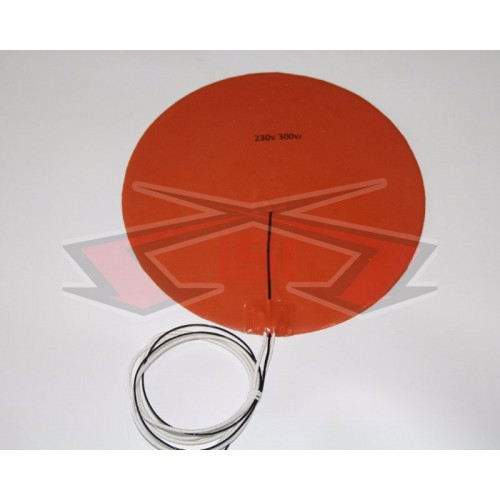
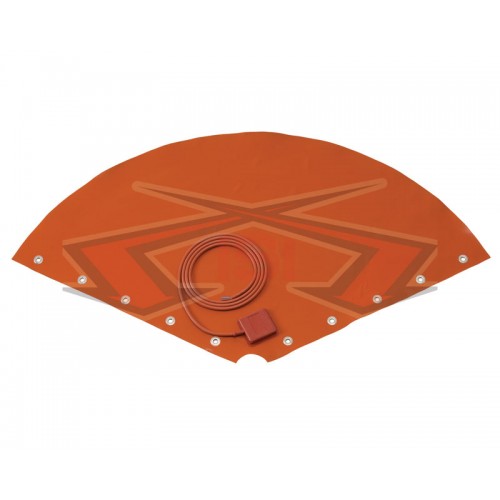
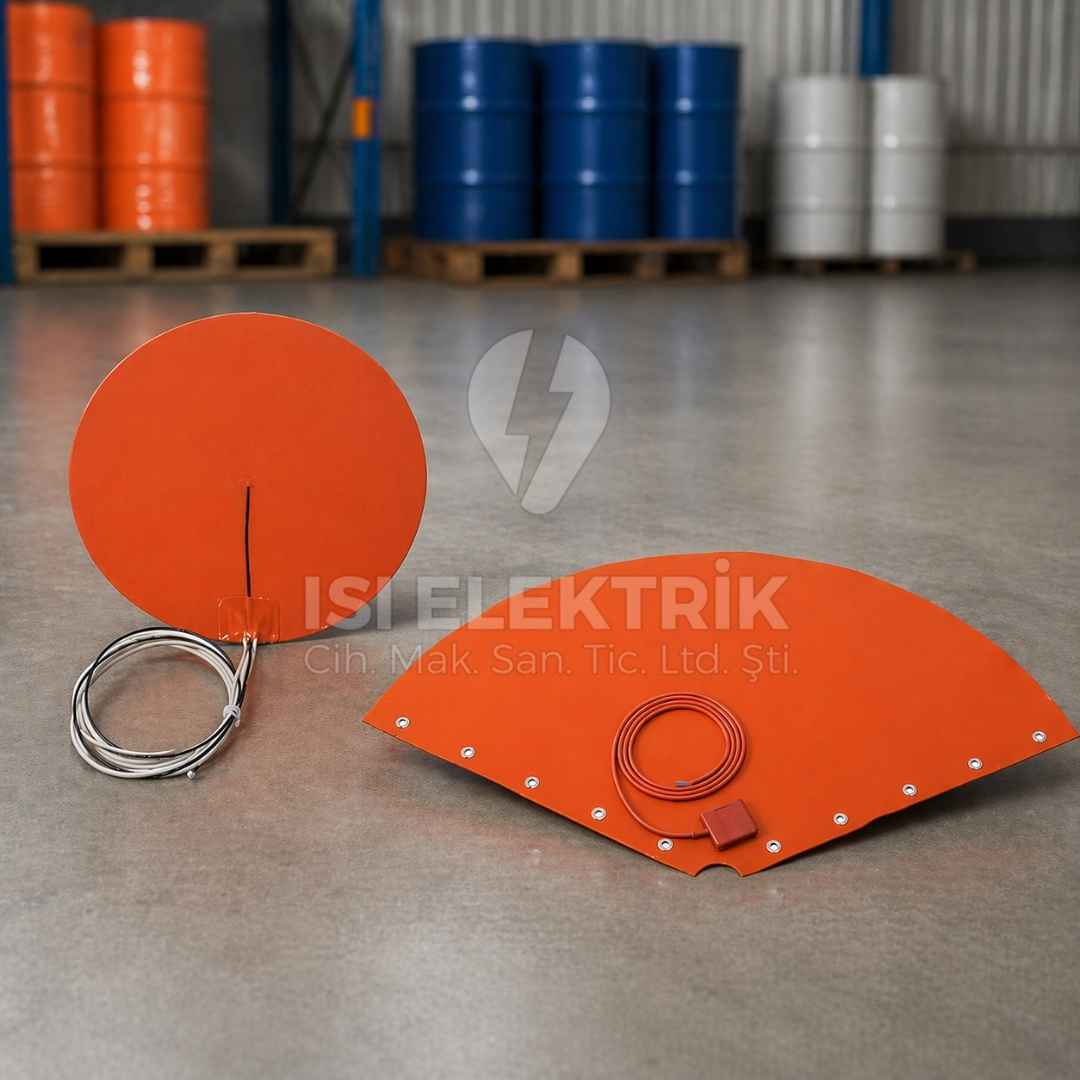
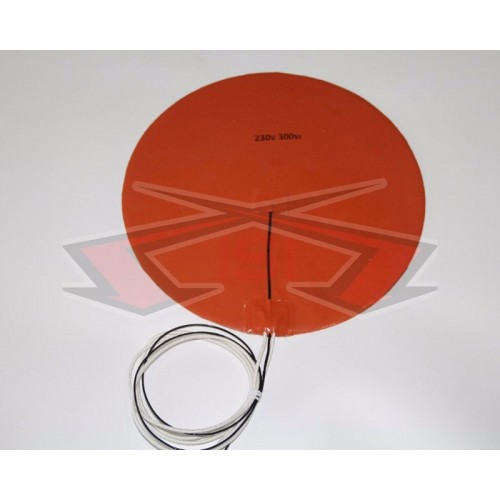
In this product group, the concept of a single standard size is very limited. Length, width, thickness, corner shape, hole positions, non-heated sections, section profile and cable exit locations can all be customized. Heaters may be produced in rectangular, square, circular, oval or equipment-specific shapes. In some cases, certain surface areas must remain unheated, so non-active zones become part of the design itself.

Size selection affects not only mechanical fit, but also heat distribution behavior. Larger surfaces may require a different circuit layout to maintain better uniformity, while compact zones may require carefully controlled power density. For this reason, it is not enough to specify only the outside dimensions. The active heating area should also be defined clearly during the technical evaluation stage.

How Are Power, Voltage and Temperature Determined?

Wattage and voltage selection are among the most critical engineering decisions for flexible silicone heaters. If the power level is too low, the surface may not reach the required working temperature. If the power level is too high, the result may be overheating, material stress or unstable process behavior. Proper selection depends on the material of the heated surface, its thickness, heat loss to the environment, the target temperature and the required heating time.

Voltage selection must match the available electrical system, control setup and safe operating conditions. Different power supply scenarios may be considered depending on the machine infrastructure. What matters here is not just electrical compatibility, but also reliable control and field safety.

When discussing temperature values, it is important to separate heater temperature from the actual temperature achieved on the process surface. Final thermal behavior depends on silicone construction, contact condition, insulation support, ambient temperature, mounting style and operating duration. Therefore, the target process temperature should be evaluated separately from the heater’s own internal heating potential.

Material Structure, Durability and Performance

Long operating life requires more than good raw material quality. The heater must also be designed correctly for the application. The silicone outer layer provides strong advantages in terms of flexibility and electrical insulation. However, repeated bending, contact with sharp edges, poor mounting, excessive mechanical stress or improper temperature control can reduce service life.

Key factors affecting durability include correct power density, good surface contact, stable supply voltage, proper cable protection, environmental conditions and, where necessary, temperature feedback. A well-designed heater supports consistent surface performance and helps maintain repeatable process conditions, which is especially important in temperature-sensitive industrial operations.

Energy Use and Efficiency

Flexible silicone heaters are positioned close to the target surface, which can reduce unnecessary heating of surrounding space. In many applications, this helps make energy use more controlled and process-oriented. Efficiency should not be interpreted only as lower power consumption. It also means maintaining the required surface condition more effectively, reducing temperature fluctuation and improving process repeatability.

From an energy-efficiency standpoint, external insulation, the use of suitable sensors or thermostatic control, proper power sizing and good contact quality are all essential. A heater that is oversized or poorly fitted to the surface may appear powerful on paper but still perform inefficiently in practice. Efficient performance begins with process design, not only with product selection.

Mounting and Integration

The performance of flexible silicone heaters depends heavily on mounting method. They may be installed with adhesive backing, mechanical pressure systems or custom support arrangements. The correct method depends on operating temperature, maintenance expectations, removal frequency, surface shape and environmental conditions.

Before installation, surface cleanliness, proper contact, cable orientation, edge stress reduction and protection of the lead exit zone should all be considered. Heat loss from the rear or exposed sides of the heater should also be evaluated, and insulation support may be required depending on the application. Especially on metal surfaces, proper seating is a decisive factor for real-world performance.

Custom Manufacturing Possibilities

This heater family is one of the most suitable product groups for custom manufacturing. Not every machine, tank, plate or process surface has the same dimensions or shape. Designs with holes, integrated sensor areas, custom lead exits, zoned heating patterns and different mounting concepts are all common in flexible silicone heater applications.

As a manufacturer, Isı Elektrik Rezistans can support projects not only by supplying a standard item, but also by evaluating technical data and adapting production to the actual requirement. This is particularly important when an existing system must be replaced with a matching design, when an old heater must be reproduced with modifications, or when a new machine requires a heater developed specifically for its geometry and process conditions.

Technical Evaluation Before Ordering

Which details should be shared before production?

  • Description of the application and what must be heated
  • Surface dimensions and active heating area
  • Target temperature range or temperature-maintenance requirement
  • Supply voltage
  • Requested power value or data from the existing heater
  • Mounting method and operating position
  • Surface material and thickness
  • Environmental conditions such as dust, humidity, vibration or chemical exposure
  • Cable outlet direction and electrical connection details
  • Technical drawing, photo or old sample if available

Sharing these details significantly increases the likelihood of correct product selection and long service life. Choosing only by approximate dimensions may lead to performance issues once the heater is installed in the actual process.

What Should Be Considered for Correct Heater Selection?

The first question should not simply be “what temperature is needed?” but rather “on what surface, for what purpose, for how long and under which environmental conditions will it operate?” Flexible silicone heaters are highly adaptable, but they do not behave the same way in every application. A metal body with high heat loss and a smaller insulated laboratory surface should not be evaluated with the same design logic.

The main selection criteria include power density, dimensional fit, contact quality, voltage compatibility, duty cycle, control strategy and maintenance accessibility. It is also important to consider not only initial heating, but the heater’s behavior in continuous operation and repeated on-off cycles.

How Do They Differ from Similar Heating Products?

Flexible silicone heaters belong to the same general industrial heating family as cartridge heaters, band heaters, plate heaters and other thermal elements, but their application profile is different. Cartridge heaters are designed for insertion into holes. Band heaters fit cylindrical surfaces. Plate heaters generally rely on a rigid structure. Flexible silicone heaters stand out because of their surface adaptability, low-profile form and custom shape capability.

This distinction becomes especially important on irregular surfaces, removable systems, specially shaped components or mounting areas with limited space. Still, in applications with heavy mechanical pressure, high impact risk or other demanding conditions, another heater type may be the better technical choice. Final selection should always be based on application analysis.

Impact of Incorrect Product Selection

An incorrectly selected flexible silicone heater can result in insufficient heating, excessive temperature, uneven surface distribution, unnecessary energy consumption, difficult control, stress at the lead exit area and a shorter-than-expected service life. In processes that require thermal stability, these issues can directly affect product quality and process reliability.

For that reason, it is not enough to choose a heater that only matches the physical dimensions. In B2B manufacturing environments, the heater should be treated as an active part of the process itself. A selection error can affect not just the heater, but the overall efficiency and consistency of production.

Advantages of Working with a Manufacturer

Working directly with a manufacturer offers benefits such as technical drawing review, dimensional adaptation, optimized heating circuit design, field-appropriate cable and connection details, and faster revision possibilities. This becomes even more valuable in flexible silicone heater projects that require non-standard geometry.

The 65+ years of experience behind Isı Elektrik Rezistans are valuable not only from a production standpoint, but also from an application-oriented engineering perspective. The goal is not merely to provide a heater that works, but to develop one that works properly, consistently and sustainably within the real process environment.

Flexible Silicone Heaters

Flexible silicone heaters are highly effective industrial solutions for surface heating, temperature maintenance and applications that require a custom-fit heating format. Their success, however, depends on more than flexibility alone. Correct dimensions, appropriate power, compatible voltage, healthy mounting, good surface contact and process-based technical planning are the key factors that determine real performance.

For this reason, selecting a flexible silicone heater is much more than ordering a standard part. When the intended use, surface structure, working conditions and temperature objective are properly analyzed, these heaters can improve process reliability and support more controlled energy use. A custom manufacturing and technical evaluation approach plays a decisive role in achieving long service life and efficient operation.

Frequently Asked Questions

1. What are flexible silicone heaters used for?

They are used for surface heating, temperature maintenance, anti-freeze support, viscosity control and controlled heating in compact areas.

2. On what kinds of surfaces can they be installed?

They can be applied to flat, slightly curved or application-specific surfaces, especially when designed according to the geometry of the equipment.

3. Can flexible silicone heaters be custom made?

Yes. Length, width, shape, holes, cable exits and active heating zones can all be customized.

4. Why is wattage selection so important?

Because incorrect power selection can cause inadequate heating or excessive temperature, both of which can harm process performance.

5. How should voltage be determined?

It should be selected according to the available electrical infrastructure, control system and safe operating conditions.

6. Are temperature values fixed for every application?

No. Actual performance depends on mounting, surface material, heat loss, ambient conditions and power density.

7. What is important during installation?

Surface cleanliness, proper contact, correct cable direction, reduced mechanical stress and insulation support when needed are all important.

8. In which industries are they commonly used?

They are widely used in chemical processing, food, medical devices, automotive, textiles, plastics, packaging, machinery and laboratory equipment.

9. How can service life be improved?

Correct power selection, proper installation, stable voltage, suitable temperature control and protection of cable exit zones all help extend service life.

10. What are the most important technical details before ordering?

Surface dimensions, target temperature, voltage, power requirement, mounting method, environmental conditions and any available drawing are the most important starting details.

Frequently Asked Questions

A flexible silicone heater is a thin and flexible heating element used to heat surfaces. It easily adapts to flat, curved, or complex surfaces, providing uniform heat distribution.
They are typically made with a silicone rubber coating containing nickel-chromium (Ni-Cr) resistance wire or etched foil technology. These structures are resistant to high temperatures and moisture.
They generally operate between -60°C and +230°C. Special designs can withstand up to 260°C.
Thanks to their lightweight, thin, and flexible structure, they can be easily mounted in tight spaces. They heat up quickly, are energy efficient, and are resistant to moisture and chemicals.
They are widely used in industrial machinery, medical devices, laboratory equipment, food processing machines, aerospace, and the automotive industry.
They can be mounted using adhesive backing, clamps, or mechanical fasteners. Some models are applied with special heat-resistant adhesives for stronger bonding.
They are available in different voltage options such as 12V, 24V, 110V, and 230V. Power is determined based on the application and is usually expressed in watts per square centimeter.
Yes, silicone material is resistant to water and moisture. However, for full underwater use, special insulation and protection measures should be taken.
Proper voltage and power should be selected, mechanical damage should be avoided, and extreme temperature fluctuations should be prevented. Installation should be done according to the usage instructions.
They can be purchased from industrial heater manufacturers, technical equipment stores, or online platforms.

Flexible Silicone Heaters