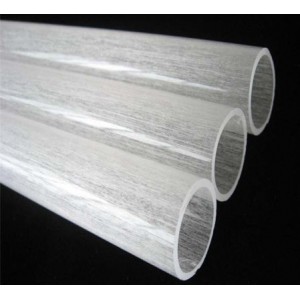
Quartz Cam Borular
Sanayi, laboratuvar ve optik sistemlerde yüksek sıcaklık ve kimyasal direnç gerektiren uygulamalarda kullanılan özel malzemeler büyük bir öneme sahiptir. Quartz cam borular, yani kuvars cam borular, olağanüstü ısıya dayanıklılığı, optik berraklığı ve kimyasal kararlılığı sayesinde birçok sektörde vazgeçilmez hale gelmiştir.
Peki, quartz cam borular nedir, nasıl üretilir, hangi sektörlerde kullanılır ve neden tercih edilir? Bu kapsamlı rehberde, quartz cam boruların tüm teknik özelliklerini, üretim süreçlerini ve avantajlarını detaylıca ele alacağız.
İmalat Ürünlerimiz
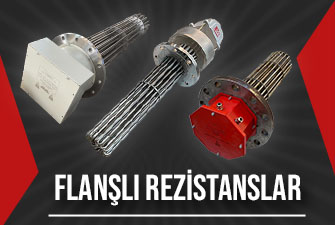
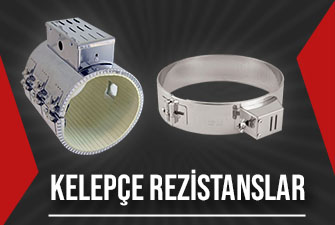
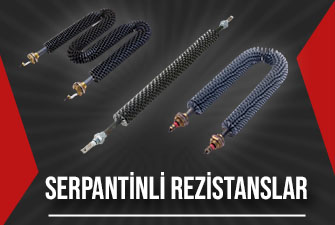
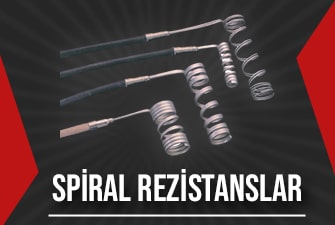
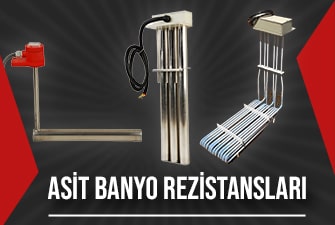
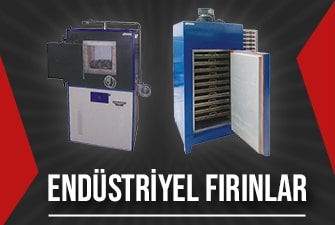
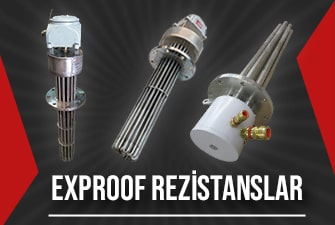
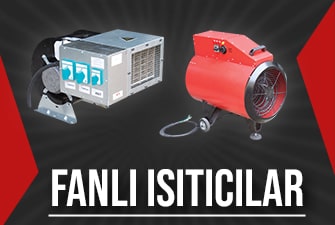
Tüm Ürünlerimizi Görmek İçin Tıklayın
Quartz Cam Borular Nedir?
Quartz cam borular, yüksek saflıkta silika (SiO₂) içeren cam borular olarak tanımlanır. Geleneksel cam borulara kıyasla çok daha yüksek sıcaklıklara dayanabilir ve daha düşük termal genleşme katsayısına sahiptir.
Kimyasal reaksiyonlara karşı oldukça dirençli olan bu borular, ısıya ve darbelere karşı dayanıklılık gerektiren uygulamalarda yaygın olarak kullanılır. Optik, laboratuvar, yarı iletken, aydınlatma ve endüstriyel fırın uygulamaları gibi birçok alanda quartz cam borular kritik rol oynar.
Quartz Cam Boruların Üretim Süreci
Quartz cam borular, yüksek saflıkta kuvars kullanılarak üretilen, endüstriyel ve bilimsel uygulamalarda yaygın olarak tercih edilen özel cam borulardır. Bu boruların üretim süreci, yüksek saflıkta kuvarsın eritilmesi ve hassas şekillendirme teknikleriyle gerçekleştirilir. Aşağıda, quartz cam boruların üretim sürecinin temel adımları detaylı bir şekilde açıklanmaktadır:
1. Hammaddenin Hazırlanması
- Quartz cam boruların üretimi için kullanılan temel hammaddeler, yüksek saflıkta kuvars kumudur. Bu kumun safsızlık seviyesinin minimum olması, son ürünün kalitesini ve performansını doğrudan etkiler. Üretim öncesinde, kuvars kumu özenle temizlenir ve safsızlıklar giderilir. Saflaştırma işlemi, camın optik ve mekanik özelliklerini optimize etmek için kritik öneme sahiptir.
2. Kuvarsın Eritilmesi
- Hazırlanan kuvars kumu, özel yüksek sıcaklık fırınlarında eritilerek cam haline getirilir. Eritme işlemi, genellikle 1700°C ile 2300°C arasında gerçekleşir. Bu aşamada kullanılan fırın sistemleri, camın homojen bir şekilde erimesini sağlar ve son ürünün saflığını korur. Modern fırın teknolojileri, enerji verimliliğini artırırken aynı zamanda üretim sürecinin kontrolünü kolaylaştırır.
3. Şekillendirme
- Eritilmiş kuvars cam, vakum veya basınçlı hava yardımıyla boru formuna şekillendirilir. Bu aşama, camın istenilen çap ve duvar kalınlığına sahip olmasını sağlar. Şekillendirme sürecinde, boruların geometrik doğruluğu ve homojenliği büyük önem taşır. Üretim hattında kullanılan otomasyon sistemleri, boruların belirlenen ölçülerde ve toleranslarda üretilmesini garanti eder.
4. Soğutma (Kurutma) Aşaması
- Şekillendirilmiş cam borular, yavaşça soğutulur. Kontrollü soğutma, camın iç gerilimlerini azaltarak kırılma riskini en aza indirir. Termal şoklardan kaçınmak için soğutma süreci dikkatlice yönetilir. Bu aşama, boruların mekanik dayanıklılığını ve uzun ömürlü olmasını sağlar.
5. Kalite Kontrol
- Üretim sürecinin her aşamasında kalite kontrol işlemleri uygulanır. Her bir cam boru, optik, mekanik ve termal testlerden geçirilerek kalite standartlarına uygunluğu kontrol edilir. Optik testler, camın saydamlığını ve ışık geçirgenliğini değerlendirirken, mekanik testler borunun dayanıklılığını ölçer. Termal testler ise borunun yüksek sıcaklıklarda performansını ve ısıya karşı dayanıklılığını belirler.
6. Son İşlemler ve Paketleme
- Kalite kontrol aşamasını geçen cam borular, son işlemler için hazırlanır. Bu işlemler arasında yüzey temizliği, kesme ve şekillendirme gibi işlemler yer alabilir. Sonrasında, cam borular güvenli bir şekilde paketlenir ve taşıma için hazır hale getirilir. Paketleme aşamasında, boruların hasar görmemesi için özel koruyucu malzemeler kullanılır.
Quartz Cam Boruların Teknik Özellikleri
Quartz cam borular, yüksek performans gerektiren birçok endüstriyel ve laboratuvar uygulamasında tercih edilmektedir. Yüksek sıcaklık dayanımı, kimyasal direnç ve üstün optik özellikleriyle öne çıkan quartz cam boruların teknik özelliklerini detaylı olarak inceleyelim.
Yüksek Sıcaklık Dayanımı ve Düşük Termal Genleşme
- Quartz cam borular, geleneksel camlara kıyasla çok daha yüksek sıcaklıklarda çalışabilme kapasitesine sahiptir. Erime noktaları 1700°C ile 2300°C arasında değişirken, sürekli çalışma sıcaklığı yaklaşık 1100°C civarındadır. Bu yüksek sıcaklık dayanımı, laboratuvar ve sanayi fırınlarında, metal işleme süreçlerinde ve diğer yüksek ısıl işlem gerektiren uygulamalarda kullanılmalarını sağlar. Ayrıca, düşük termal genleşme katsayısı sayesinde ani sıcaklık değişimlerine karşı yüksek direnç gösterirler, bu da çatlama veya bozulma riskini azaltır.
Üstün Optik Saydamlık ve Işın Geçirgenliği
- Quartz cam borular, optik saydamlık açısından oldukça üstün olup, ultraviyole (UV) ve kızılötesi (IR) ışınlara karşı mükemmel geçirgenlik sunar. Bu özellikleri sayesinde, lazer sistemlerinde ve özel aydınlatma teknolojilerinde sıklıkla kullanılırlar. Yüksek optik kalite, ışığın kayıpsız ve etkili bir şekilde iletilmesini sağlar, bu da hassas optik uygulamalarda büyük bir avantajdır.
Kimyasal Direnç
- Quartz cam borular, birçok asit ve baz çözeltilerine karşı yüksek direnç gösterirler. Bu kimyasal direnç, onları kimya laboratuvarlarında ve endüstriyel proseslerde güvenle kullanılabilir hale getirir. Kimyasal maddelerle temas eden ortamlarda bile dayanıklılıklarını koruyan quartz cam borular, korozif etkilere karşı uzun ömürlü bir kullanım sağlar.
Elektriksel Yalıtkanlık
- Quartz cam borular, mükemmel elektriksel yalıtkanlık özelliklerine sahiptir. Bu özellik, onları elektriksel iletim gerektiren uygulamalarda güvenle kullanılabilir kılar. Elektriksel yalıtkanlık, cihazların güvenli çalışmasını destekler ve istenmeyen kısa devre riskini minimize eder.
Ani Sıcaklık Değişimlerine Karşı Direnç
- Quartz cam borular, ani sıcaklık değişimlerine karşı yüksek direnç gösterirler. Bu özellik, hızlı ısınma ve soğuma gerektiren uygulamalarda onların tercih edilmesini sağlar. Ani sıcaklık değişimleri sırasında yapısal bütünlüklerini koruyabilmeleri, onları çeşitli dinamik ısıl süreçlerde güvenilir kılar.
Optik Kalite
- Quartz cam boruların yüksek optik kalitesi, özellikle lazer sistemlerinde ve özel aydınlatma teknolojilerinde kritik bir rol oynar. Ultraviyole (UV) ve kızılötesi (IR) ışınlara karşı mükemmel geçirgenlikleri, ışığın kayıpsız bir şekilde iletilmesini sağlar. Bu, hassas optik bileşenlerin doğru ve etkili çalışmasını mümkün kılar.
Kimyasal ve Termal Dayanıklılık
- Quartz cam borular, kimyasal dayanıklılıklarının yanı sıra termal şoklara karşı da yüksek direnç gösterirler. Bu özellik, onları zorlu kimyasal ortamlar ve ani sıcaklık değişimlerinin sıkça yaşandığı uygulamalar için ideal kılar. Termal dayanıklılık, boruların uzun süreli kullanımda performansını korumasını sağlar.
Kullanım Alanları
Quartz cam borular, yüksek sıcaklık ve kimyasal direnç gerektiren birçok alanda kullanılır:
- Laboratuvar Ekipmanları: Reaktörler, fırınlar ve diğer deneysel ekipmanlarda.
- Sanayi Fırınları: Metal işleme, cam üretimi ve seramik pişirme fırınlarında.
- Lazer Sistemleri: Optik bileşenlerin ışık iletiminde.
- Özel Aydınlatma Sistemleri: UV ve IR ışık gerektiren aydınlatma çözümlerinde.
- Elektriksel İzolasyon: Elektriksel yalıtkanlık gerektiren uygulamalarda.
Quartz cam borular, yüksek sıcaklık dayanımı, kimyasal direnç, üstün optik özellikler ve elektriksel yalıtkanlık gibi önemli teknik özellikleri sayesinde birçok endüstriyel ve laboratuvar uygulamasında vazgeçilmez bir bileşen haline gelmiştir. Düşük termal genleşme katsayısı ve ani sıcaklık değişimlerine karşı dirençleri, onları zorlu ısıl koşullar altında bile güvenle kullanılabilir kılmaktadır. Quartz cam boruların bu özellikleri, onları modern teknolojinin kritik bileşenleri arasında öne çıkarmaktadır.
Quartz Cam Boruların Kullanım Alanları
Quartz cam borular, üstün özellikleri sayesinde birçok sektörde yaygın olarak kullanılmaktadır.
- Endüstriyel Fırınlar ve Isıtma Sistemleri alanında, yüksek sıcaklık fırınlarında rezistansları koruma borusu olarak görev yapar. Ayrıca elektrikli ısıtıcılar ve infrared ısıtma sistemlerinde de yaygın olarak kullanılır.
- Aydınlatma Teknolojileri alanında, UV lambalar, halojen lambalar ve lazer sistemlerinde quartz cam boruların optik özelliklerinden faydalanılır. Aynı zamanda yüksek verimli LED ve HID aydınlatmalarda da optik iletim sağlayan bir bileşen olarak görev yapar.
- Laboratuvar ve Kimya Endüstrisi quartz cam boruların en yaygın kullanıldığı alanlardan biridir. Laboratuvar deneylerinde kimyasal reaktör borusu olarak kullanılmasının yanı sıra, asit ve bazlara dayanıklı yapısı sayesinde laboratuvar tüpleri ve destilasyon cihazlarında da tercih edilir.
- Yarı İletken ve Elektronik Endüstrisi ise quartz cam boruların yüksek sıcaklığa ve elektrik yalıtımına ihtiyaç duyulan bir başka kritik alanıdır. Mikroçip üretiminde, yüksek sıcaklık işlem odalarında kullanılır. Ayrıca elektriksel yalıtım sağlayan bir malzeme olarak görev yapar.
- Tıbbi ve Biyoteknoloji Uygulamaları da quartz cam boruların kullanım alanları arasındadır. Sterilizasyon cihazlarında, medikal lazer sistemlerinde ve optik fiber üretiminde önemli bir bileşen olarak görev yapar.
Quartz Cam Boruların Avantajları
Quartz cam borular, birçok avantajıyla geleneksel cam borulara kıyasla daha üstün performans sunar.
- Yüksek sıcaklık dayanımı, onları sanayi fırınları ve ısıtma sistemlerinde vazgeçilmez bir bileşen haline getirir. 1100°C’ye kadar sürekli çalışma imkanı sunmaları, onları aşırı sıcaklık gerektiren uygulamalarda ideal kılar.
- Düşük termal genleşme katsayısı sayesinde ani sıcaklık değişimlerine karşı dirençlidir. Bu, laboratuvar uygulamalarında ve hassas endüstriyel sistemlerde büyük bir avantaj sağlar.
- Kimyasal direnç özelliği, agresif kimyasallara maruz kalan laboratuvar ve endüstriyel ekipmanlar için mükemmel bir seçim olmasını sağlar. Çoğu asit, baz ve solvente karşı dirençlidir.
- Yüksek optik saydamlık, quartz cam boruların ultraviyole (UV) ve kızılötesi (IR) ışınlarını mükemmel bir şekilde iletmesini sağlar. Bu özellik, onları aydınlatma ve optik sistemlerde benzersiz bir seçenek haline getirir.
- Elektriksel yalıtkanlık özelliği, yüksek voltaj uygulamalarında mükemmel bir yalıtkan olarak görev yapmasını sağlar.
Quartz Cam Borular
Quartz cam borular, yüksek sıcaklık dayanımı, optik geçirgenliği ve kimyasal direnci ile birçok sektörde önemli bir rol oynar. Endüstriyel fırınlardan laboratuvar cihazlarına, aydınlatma sistemlerinden yarı iletken üretimine kadar geniş bir kullanım alanına sahiptir.
Eğer siz de dayanıklı, yüksek performanslı ve uzun ömürlü bir cam çözümü arıyorsanız, quartz cam borular en iyi seçeneklerden biri olacaktır!
Rezistans Çeşitleri
Müşterilerimizin tüm rezistans taleplerinde yanlarındayız. Sizlerin de rezistans konusunda bir ihtiyacı olması halinde çözüm ortağı olmaya hazırız.Rezistans Ürünlerimizi Görmek İçin Tıklayın!
- Boru Rezistanslar
- Fişek Rezistans
- Serpantinli Rezistans
- Hava Üfleme Rezistansları
- Plaka Rezistanslar
- Kelepçe Rezistanslar
- Spiral Rezistanslar
- Seramik Rezistanslar
- Meme Rezistanslar
- Esnek Silikon Rezistanslar
- Termokupllar
- Fanlı Isıtıcılar
- Manifold Rezistanslar
- Asit Banyo Rezistanslar
- Quartz İnfraed Rezistanslar
- Kesilebilir Kablo Rezistanslar
- Isı Bantları
- Endüstriyel Fırınlar
- Rezistans Telleri
- Rezistans Boruları
- Rezistans Tozu
- Rezistans Taşı
- Mikanit Levha
- Quartz Cam Boru
- Fişek Taşları
- Yüksek Isıya Dayanıklı Kablolar
- Kendinden Regüleli Kablo Isıtıcılar
- Fişler & Prizler
Eğer rezistans İhtiyacız varsa firmamız ihtiyaçlarınızı tam anlamıyla giderecektir, hemen bizimle iletişime geçin ve en iyi rezistans türlerine sahip olma fırsatını yakalayın.
Sıkça Sorulan Sorular (SSS)
1. Quartz Cam Boru Nedir?
Yüksek saflıkta kuvars kullanılarak üretilen, üstün ısı ve kimyasal dayanıklılığa sahip cam borulardır.
2. Nerelerde Kullanılır?
Laboratuvar Ekipmanları: Reaktörler ve fırınlar
Sanayi: Metal işleme ve cam üretimi
Optik Sistemler: Lazer ve aydınlatma cihazları
Elektrik: Yüksek voltaj izolasyonu
3. Avantajları Nelerdir?
Yüksek Sıcaklık Dayanımı: 1700°C - 2300°C
Kimyasal Direnç: Çoğu asit ve baz
Optik Saydamlık: Yüksek ışık geçirgenliği
Elektriksel Yalıtkanlık: Mükemmel izolasyon
4. Seçim Yaparken Nelere Dikkat Edilmeli?
Sıcaklık Gereksinimi: İhtiyaca uygun olmalı
Kimyasal Uyumluluk: İşlenecek kimyasallara dayanıklı
Boyut ve Toleranslar: Uygun ölçüde olmalı
Optik Gereksinimler: Gerekli saydamlık seviyesinde
5. Bakımı Nasıl Yapılır?
Temizlik: Islak veya kuru temizleme
Hasar Kontrolü: Kırık veya çatlakları kontrol et
Koruma: Ani sıcaklık değişimlerinden kaçın