
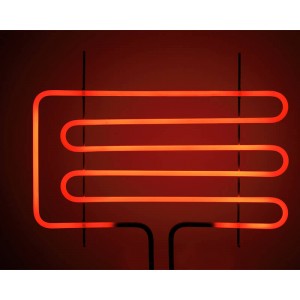
Rezistans
Günlük yaşamdan endüstriyel üretime kadar birçok alanda ısıtma ihtiyacı bulunmaktadır. Bu ihtiyacın karşılanmasında en kritik bileşenlerden biri rezistans olarak bilinen elektrikli ısıtma elemanıdır. Peki, rezistans nedir, nasıl çalışır ve hangi sektörlerde kullanılır?
Bu kapsamlı rehberde, rezistansların çalışma prensibinden teknik özelliklerine, çeşitlerinden kullanım alanlarına kadar her detayı bulabilirsiniz.
İmalat Ürünlerimiz
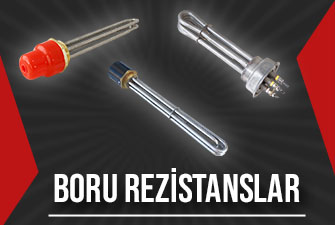
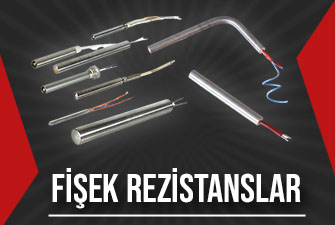
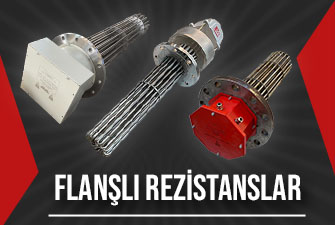
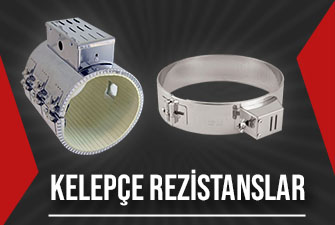
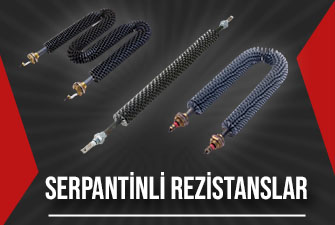
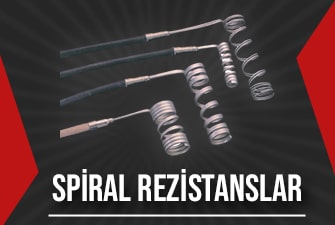
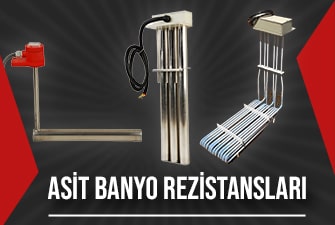
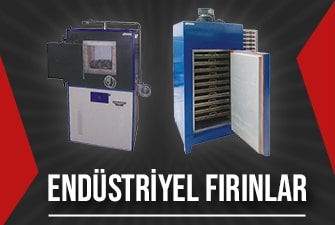
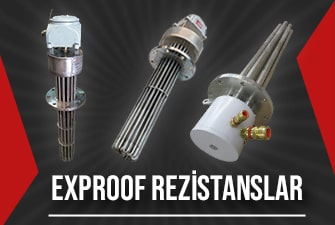
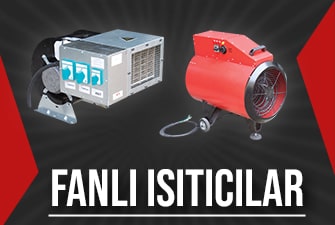
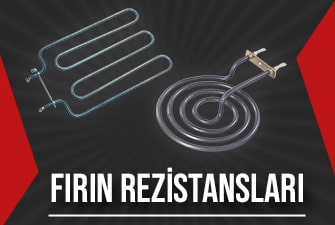
Tüm Ürünlerimizi Görmek İçin Tıklayın
Rezistans Nedir?
Rezistans, elektrik enerjisini ısıya çeviren bir bileşendir. Direnç (resistance) kelimesinden türeyen bu terim, elektrik akımına karşı belirli bir direnç oluşturarak Joule yasası gereği ısı üretir. Günümüzde ev aletlerinden sanayi makinelerine kadar geniş bir kullanım alanına sahiptir.
Temel olarak metal tel veya şeritlerden oluşan rezistanslar, belirli bir elektrik akımı geçtiğinde ısınarak çevresine ısı yayar. Kullanım yerine göre farklı malzemeler ve kaplamalarla üretilerek çeşitli sıcaklık ve dayanıklılık seviyelerine ulaşabilir.
Rezistansın Çalışma Prensibi
Rezistanslar, Joule Kanunu'na göre çalışır.
- P = I² * R
Bu formülde:
- P (güç) watt cinsinden üretilen ısıyı,
- I (akım) amper cinsinden elektrik akımını,
- R (direnç) ise ohm cinsinden malzemenin elektrik direncini ifade eder.
Rezistans üzerinden geçen elektrik akımı, iletken malzemenin direnci nedeniyle ısıya dönüşerek çevresine yayılır. Kullanım alanına bağlı olarak rezistansın gücü, direnci ve malzeme türü değişebilir.
Rezistans Çeşitleri
Rezistanslar, kullanım alanlarına ve yapılarına göre farklı türlerde üretilmektedir. Her bir rezistans türü, belirli özellikleri ve avantajları sayesinde çeşitli endüstriyel uygulamalarda tercih edilmektedir. İşte en yaygın rezistans türleri ve detaylı açıklamaları:
1. Tel Rezistans
- Tel rezistanslar, en basit ve en yaygın rezistans türlerinden biridir. Genellikle nikel-krom (NiCr) alaşımından üretilirler, bu da onlara yüksek direnç ve dayanıklılık kazandırır. Elektrikli ocaklar, tost makineleri ve ev fırınları gibi günlük kullanım alanlarında sıkça görülürler. Tel rezistansların temel avantajı, basit yapıları sayesinde kolay üretilebilmeleri ve geniş bir sıcaklık aralığında etkili olmalarıdır. Ancak, bu rezistanslar yüksek sıcaklıklarda uzun süreli kullanımda aşınabilir ve değiştirilmesi gerekebilir.
2. Döküm Rezistans
- Döküm rezistanslar, alüminyum, pirinç veya bronz gibi metallerin döküm teknikleri kullanılarak üretilen ısıtma elemanlarıdır. Plastik enjeksiyon makineleri ve kalıp ısıtma işlemleri gibi yüksek sıcaklık gerektiren uygulamalarda tercih edilirler. Metal gövdeleri sayesinde yüksek sıcaklıklara dayanıklı olup, dayanıklılıkları ve uzun ömürleri ile bilinirler. Döküm rezistanslar, ısıyı eşit ve homojen bir şekilde dağıtarak verimli ısıtma sağlarlar, bu da üretim süreçlerinin kalitesini artırır.
3. Fişek Rezistans (Kartuş Rezistans)
- Fişek rezistanslar, küçük çaplı silindirik tasarımları sayesinde dar alanlarda etkili bir şekilde kullanılabilirler. Enjeksiyon makineleri, laboratuvar ekipmanları ve metal işleme makineleri gibi uygulamalarda yaygın olarak kullanılırlar. Bu rezistanslar, hızlı ısınma ve hassas sıcaklık kontrolü sağlayarak üretim süreçlerinde yüksek verimlilik sunar. Kompakt yapıları, montaj kolaylığı ve esnek kullanım imkanı sunar, bu da onları çok yönlü bir ısıtma çözümü haline getirir.
4. Silikon Rezistans
- Silikon rezistanslar, esnek yapıları sayesinde boru, tank ve düzensiz yüzeylerde rahatça kullanılabilirler. Kimya ve gıda sanayisinde yaygın olarak tercih edilen bu rezistanslar, suya ve kimyasallara karşı yüksek dayanıklılığa sahiptirler. Silikon malzeme, yüksek ısı dayanımı ve esneklik sağlar, bu da rezistansın çeşitli şekil ve boyutlarda üretilebilmesini mümkün kılar. Ayrıca, silikon rezistanslar, çevresel etkilere karşı dirençli olmaları sayesinde uzun ömürlüdürler.
5. Seramik Rezistans
- Seramik rezistanslar, içerisinde seramik yalıtım malzemesi bulunan yüksek sıcaklık rezistanslarıdır. Endüstriyel fırınlar ve cam işleme makineleri gibi uygulamalarda kullanılırlar. Seramik malzeme, ısının uzun süre korunmasını sağlar ve bu da enerji verimliliğini artırır. Seramik rezistanslar, yüksek sıcaklıklarda bile stabil kalabilirler ve bu sayede hassas ısıl işlemlerde güvenilir performans sunarlar. Ayrıca, seramik yalıtım, rezistansın çevresel etkenlere karşı dayanıklılığını artırır.
6. Boru Rezistans (Flanşlı Rezistans)
- Boru rezistanslar, su, yağ ve hava ısıtma sistemlerinde yaygın olarak kullanılırlar. Genellikle paslanmaz çelik veya titanyumdan üretilen bu rezistanslar, su ısıtıcıları, kazanlar ve endüstriyel kurutma sistemlerinde yer alır. Boru yapısı, ısıyı etkili bir şekilde ileterek geniş bir alanı ısıtma kapasitesi sağlar. Boru rezistanslar, dayanıklı malzemeleri sayesinde uzun ömürlüdürler ve çeşitli ortam koşullarına uyum sağlayabilirler.
7. Halojen Rezistans
- Halojen rezistanslar, kızılötesi ışınlar kullanarak yüzeyleri hızlıca ısıtan bir rezistans türüdür. Medikal sektöründe ve hızlı kurutma işlemlerinde kullanılırlar. Halojen ışınlar, ısının doğrudan hedeflenen yüzeye yönlendirilmesini sağlar, bu da hızlı ve etkili ısıtma imkanı sunar. Bu rezistanslar, yüksek verimlilik ve hassas ısıtma gerektiren uygulamalarda ideal bir çözümdür. Ayrıca, halojen rezistanslar, enerji tasarrufu sağlarken çevre dostu bir ısıtma alternatifi sunar.
Rezistans çeşitliliği, her bir türün kendi özel özellikleri ve avantajları sayesinde endüstriyel ısıtma uygulamalarında geniş bir kullanım yelpazesi sunar. Tel, döküm, fişek, silikon, seramik, boru ve halojen rezistanslar, farklı ihtiyaçlara yönelik optimize edilmiş çözümler sunarak üretim süreçlerinin verimliliğini ve kalitesini artırır. Doğru rezistans türünü seçmek, hem enerji verimliliğini sağlamak hem de uzun ömürlü ve güvenilir bir ısıtma sistemi oluşturmak açısından kritik öneme sahiptir. Uygulama alanınıza en uygun rezistans türünü belirlemek için, uzman bir mühendis veya üretici ile iletişime geçmeniz faydalı olacaktır.
Rezistansların Kullanım Alanları
Rezistanslar, endüstriyel ve ev tipi kullanım olmak üzere geniş bir yelpazede çeşitli uygulamalara sahiptir. İşte başlıca kullanım alanları ve detaylı açıklamaları:
1. Ev Aletleri
Rezistanslar, günlük hayatımızda sıkça kullandığımız birçok ev aletinin temel bileşenlerindendir. Bu alandaki başlıca kullanım alanları şunlardır:
- Su Isıtıcıları, Çay ve Kahve Makineleri: Su ısıtıcıları ve kahve makinelerinde kullanılan rezistanslar, suyu hızlı ve etkili bir şekilde ısıtarak istenilen sıcaklığa ulaşmasını sağlar. Bu rezistanslar, enerji verimliliği ve dayanıklılık açısından optimize edilmiştir.
- Fırınlar, Tost Makineleri: Fırınlarda ve tost makinelerinde kullanılan rezistanslar, yiyeceklerin düzgün ve eşit bir şekilde pişmesini sağlar. Yüksek ısıtma kapasitesine sahip olan bu rezistanslar, pişirme işlemlerinde istenilen sıcaklık kontrolünü mümkün kılar.
- Elektrikli Ocaklar ve Isıtıcılar: Elektrikli ocaklar ve ev tipi ısıtıcılar, mutfak ve yaşam alanlarında ısıtma sağlamak için rezistansları kullanır. Bu cihazlarda kullanılan rezistanslar, hızlı ısınma ve güvenilir performans sunar.
2. Plastik ve Kauçuk Sanayi
Plastik ve kauçuk sektörlerinde rezistanslar, üretim süreçlerinin önemli bir parçasını oluşturur. Bu alandaki kullanım alanları şunlardır:
- Enjeksiyon Makineleri: Plastik enjeksiyon makinelerinde kullanılan rezistanslar, kalıpların hızlı ve eşit bir şekilde ısınmasını sağlar. Bu, plastik malzemenin düzgün bir şekilde akışını ve kalıp içine yerleşmesini mümkün kılar.
- Plastik Şekillendirme Kalıpları: Plastik şekillendirme kalıplarında kullanılan rezistanslar, malzemenin şekillenmesi için gerekli ısıl işlemleri gerçekleştirir. Bu sayede yüksek kaliteli plastik ürünler elde edilir.
- Kauçuk Vulkanizasyon Sistemleri: Kauçuk malzemelerin sertleştirilmesi ve dayanıklılığının artırılması için kullanılan rezistanslar, vulkanizasyon süreçlerinde kritik bir rol oynar. Yüksek sıcaklık ve kontrollü ısıtma, kauçuğun istenilen özelliklere ulaşmasını sağlar.
3. Metal İşleme Sanayi
Metal işleme sektöründe rezistanslar, çeşitli ısıl işlemler için vazgeçilmez bileşenlerdir. Bu alandaki başlıca kullanım alanları şunlardır:
- Döküm Makineleri: Metal döküm makinelerinde kullanılan rezistanslar, metalin eriyerek kalıplara dökülmesini sağlar. Yüksek ısıtma kapasitesi ve dayanıklılığı, döküm işlemlerinin verimli ve kaliteli gerçekleşmesine katkıda bulunur.
- Isıl İşlem Fırınları: Metal bileşenlerin sertleştirilmesi, yumuşatılması veya diğer ısıl işlemlerinin gerçekleştirildiği fırınlarda rezistanslar kullanılır. Hassas sıcaklık kontrolü, metalin istenilen özelliklere ulaşmasını sağlar.
- CNC Makineleri: CNC makinelerinde kullanılan rezistanslar, kesme ve şekillendirme işlemleri sırasında gerekli ısıl dengeyi sağlar. Bu, yüksek hassasiyetli ve kaliteli metal işleme süreçlerini mümkün kılar.
4. Otomotiv Sanayi
Otomotiv sektöründe rezistanslar, çeşitli ısıtma ve kontrol sistemlerinde kullanılır. Bu alandaki kullanım alanları şunlardır:
- Akü ve Motor Isıtma Sistemleri: Soğuk hava koşullarında akülerin ve motorun daha hızlı çalışmasını sağlamak için kullanılan rezistanslar, ısıtma sistemlerinin önemli bir parçasıdır. Bu sayede araçların performansı ve güvenilirliği artırılır.
- Cam Buz Çözücü Sistemler: Araçların ön camlarında kullanılan buz çözücü sistemlerde rezistanslar, camın hızlı bir şekilde ısınmasını ve buzlanmanın önlenmesini sağlar. Bu, sürüş güvenliğini artırır ve görüşü iyileştirir.
5. Kimya ve Petrokimya Sektörü
Kimya ve petrokimya endüstrisinde rezistanslar, çeşitli ısıl işlemler ve sıcaklık kontrol sistemlerinde kullanılır. Bu alandaki kullanım alanları şunlardır:
- Reaktör Tanklarının Isıtılması: Kimyasal reaksiyonların gerçekleştiği reaktör tanklarında kullanılan rezistanslar, istenilen sıcaklık kontrolünü sağlar. Bu, reaksiyonların verimli ve kontrollü bir şekilde gerçekleşmesini mümkün kılar.
- Petrol Boru Hatları: Petrol boru hatlarında kullanılan rezistanslar, petrolün akışını kolaylaştırmak için gerekli ısıl işlemleri gerçekleştirir. Bu, boru hatlarında tıkanmaları önler ve akışın kesintisiz devam etmesini sağlar.
6. Medikal ve Laboratuvar Ekipmanları
Medikal ve laboratuvar ekipmanlarında rezistanslar, çeşitli ısıl işlemler ve kontrol sistemlerinde kritik bir rol oynar. Bu alandaki kullanım alanları şunlardır:
- Sterilizasyon Cihazları: Tıbbi ekipmanların ve laboratuvar malzemelerinin sterilize edilmesi için kullanılan rezistanslar, yüksek sıcaklıkta ısıtma sağlar. Bu, mikroorganizmaların yok edilmesini ve ekipmanların güvenli kullanılmasını sağlar.
- Kan Analiz Makineleri: Laboratuvarlarda kullanılan kan analiz makinelerinde rezistanslar, numunelerin doğru sıcaklıkta işlenmesini sağlar. Bu, analiz sonuçlarının doğruluğunu artırır ve güvenilirlik sağlar.
Rezistanslar, endüstriyel ve ev tipi birçok alanda geniş bir kullanım yelpazesine sahip olup, çeşitli uygulamalarda kritik bir rol oynar. Ev aletlerinden plastik ve kauçuk sanayine, metal işleme sektöründen otomotiv endüstrisine kadar birçok alanda kullanılan rezistanslar, enerji verimliliği, dayanıklılık ve performans açısından önemli avantajlar sunar. Doğru rezistans seçimi, uygulamanın gereksinimlerine uygun çözümler sunarak verimliliği ve güvenilirliği artırır. Rezistansların bu geniş kullanım alanları, onları modern teknolojinin vazgeçilmez bileşenleri haline getirmektedir.
Rezistans Seçerken Dikkat Edilmesi Gerekenler
Rezistans seçimi yaparken şu faktörleri göz önünde bulundurmak önemlidir:
- Çalışma Sıcaklığı: Kullanılacak ortama uygun sıcaklık aralığında olmalıdır.
- Güç ve Voltaj Değerleri: Elektrik sistemine uyumlu olmalıdır.
- Malzeme Seçimi: Paslanmaz çelik, nikel-krom veya seramik gibi dayanıklı malzemeler tercih edilmelidir.
- Yalıtım Kalitesi: Elektrik kaçaklarını önleyen yalıtımlara sahip olmalıdır.
- Montaj Kolaylığı: Kullanılacağı cihaza uygun boyut ve montaj sistemine sahip olmalıdır.
Bu kriterlere dikkat edildiğinde, en uygun rezistans modeli belirlenerek uzun ömürlü ve verimli bir kullanım sağlanabilir.
Rezistans
Rezistans, elektrik enerjisini ısıya çevirerek günlük hayatta ve sanayide birçok ihtiyaca çözüm sunan kritik bir bileşendir. Çeşitli tipleri sayesinde farklı sıcaklık ve dayanıklılık gereksinimlerine uygun çözümler üretilebilir.
Eğer siz de bir ısıtma sistemi için doğru rezistansı arıyorsanız, ihtiyacınıza uygun seçim yaparak enerji verimli ve uzun ömürlü bir çözüm elde edebilirsiniz!
Rezistans Çeşitleri
Müşterilerimizin tüm rezistans taleplerinde yanlarındayız. Sizlerin de rezistans konusunda bir ihtiyacı olması halinde çözüm ortağı olmaya hazırız.Rezistans Ürünlerimizi Görmek İçin Tıklayın!
- Boru Rezistanslar
- Fişek Rezistans
- Serpantinli Rezistans
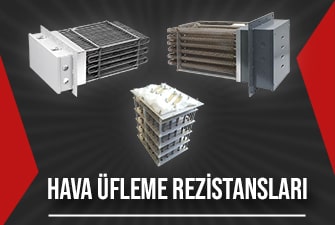
- Hava Üfleme Rezistansları
- Plaka Rezistanslar
- Kelepçe Rezistanslar
- Spiral Rezistanslar
- Seramik Rezistanslar
- Meme Rezistanslar
- Esnek Silikon Rezistanslar
- Termokupllar
- Fanlı Isıtıcılar
- Manifold Rezistanslar
- Asit Banyo Rezistanslar
- Quartz İnfraed Rezistanslar
- Kesilebilir Kablo Rezistanslar
- Isı Bantları
- Endüstriyel Fırınlar
- Rezistans Telleri
- Rezistans Boruları
- Rezistans Tozu
- Rezistans Taşı
- Mikanit Levha
- Quartz Cam Boru
- Fişek Taşları
- Yüksek Isıya Dayanıklı Kablolar
- Kendinden Regüleli Kablo Isıtıcılar
- Fişler & Prizler
Eğer rezistans İhtiyacız varsa firmamız ihtiyaçlarınızı tam anlamıyla giderecektir, hemen bizimle iletişime geçin ve en iyi rezistans türlerine sahip olma fırsatını yakalayın.
Sıkça Sorulan Sorular
1. Rezistans Nedir?
Rezistans, elektrik enerjisinin ısıya dönüştürülmesini sağlayan ısıtma elemanıdır. Elektrik akımının dirençle karşılaşması sonucu ısı üretir.
2. Rezistanslar Nerelerde Kullanılır?
Ev aletleri (fırınlar, ısıtıcılar), endüstriyel fırınlar, metal işleme makineleri, plastik eritme ekipmanları ve elektronik cihazlarda yaygın olarak kullanılır.
3. Rezistans Türleri Nelerdir?
Tel Rezistanslar: Esnek ve uzun ömürlüdür.
Kartuş Rezistanslar: Küçük ve silindirik yapılıdır.
Silikon Rezistanslar: Esnek ve kimyasal dirençlidir.
Seramik Rezistanslar: Yüksek sıcaklık dayanımı sağlar.
Boru Rezistanslar: Su ve hava ısıtma sistemlerinde kullanılır.
4. Rezistans Seçerken Nelere Dikkat Edilmelidir?
Çalışma Sıcaklığı: İhtiyaç duyulan sıcaklık aralığına uygun olmalı.
Malzeme Uyumu: İşlenecek malzemeye uygun direnç özelliklerine sahip olmalı.
Boyut ve Şekil: Montaj yapılacak alana uygun olmalı.
Enerji Verimliliği: Düşük enerji tüketimli modeller tercih edilmeli.
5. Rezistans Kullanmanın Avantajları Nelerdir?
Hassas Isıtma: Küçük alanlarda etkili ısı sağlar.
Uzun Ömür: Dayanıklı malzemelerden üretilmiştir.
Çeşitli Malzemelerle Uyumluluk: Çelik, alüminyum, seramik gibi birçok malzemede kullanılabilir.
Enerji Verimliliği: Düşük enerji tüketimi ile yüksek performans sunar.