
25 Kas

Isıl İşlem Fırını
Modern sanayi ve üretim süreçlerinde, metallerin ve diğer malzemelerin fiziksel özelliklerini geliştirmek büyük önem taşır. Isıl işlem fırınları, metalleri belirli sıcaklıklara kadar ısıtarak sertliklerini, dayanıklılıklarını ve mekanik özelliklerini iyileştiren özel ekipmanlardır.
Günümüzde otomotiv, havacılık, makine sanayi ve savunma sanayii gibi birçok sektörde kullanılan bu fırınlar, malzemelerin mikro yapısını değiştirerek istenilen mekanik özellikleri kazandırır. Peki, ısıl işlem fırını nedir, nasıl çalışır ve hangi çeşitleri vardır? Bu rehberde, ısıl işlem fırınlarının tüm teknik detaylarını ve kullanım alanlarını inceleyeceğiz.
İmalat Ürünlerimiz
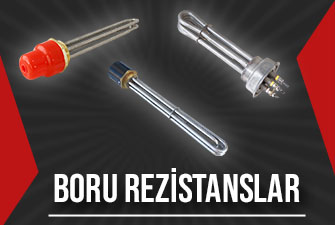
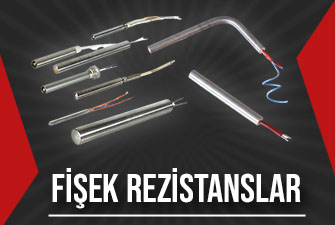
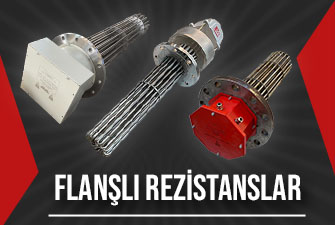
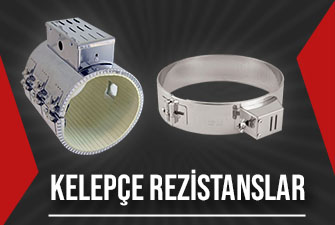
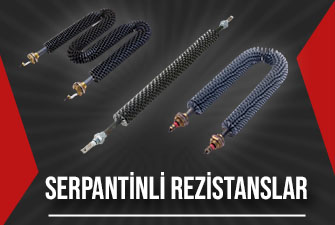
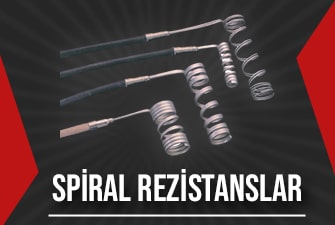
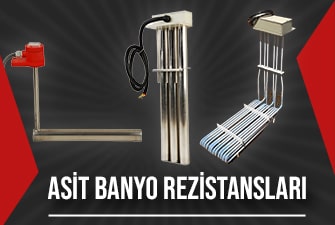
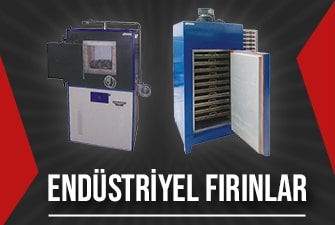
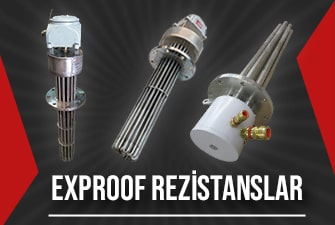
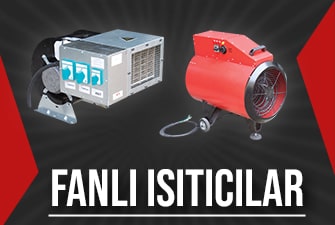
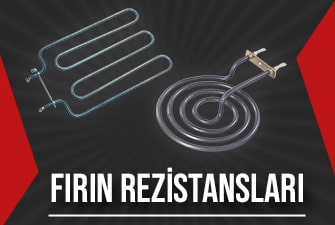
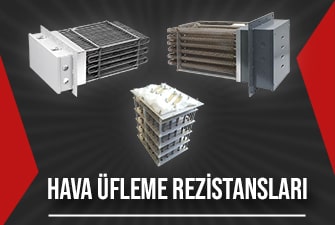
Tüm Ürünlerimizi Görmek İçin Tıklayın
Isıl İşlem Fırını Nedir?
Isıl işlem fırını, metallerin veya diğer malzemelerin belirli bir sıcaklığa kadar ısıtılması ve ardından kontrollü bir şekilde soğutulması için kullanılan endüstriyel bir fırın türüdür. Bu süreç, malzemenin iç yapısını değiştirerek sertlik, süneklik, aşınma direnci ve tokluk gibi özellikleri iyileştirmek için uygulanır.
Bu fırınlar, çelik, alüminyum, titanyum ve diğer alaşımların mekanik ve kimyasal özelliklerini optimize etmek amacıyla kullanılır. Ayrıca cam, seramik ve polimerlerin de belirli sıcaklık işlemlerine tabi tutulmasında önemli bir rol oynar.
Isıl İşlem Fırınının Çalışma Prensibi
Isıl işlem süreci, belirli aşamalardan oluşur ve her aşama, malzemenin özelliklerini şekillendiren kritik bir rol oynar. Genel çalışma prensibi şu adımları içerir:
- Isıtma: Malzeme, belirlenen sıcaklığa kadar ısıtılır. Bu sıcaklık, işlem türüne ve malzemenin cinsine göre değişiklik gösterir.
- Bekletme (Tavlama Süresi): Malzeme, belirlenen sıcaklıkta belirli bir süre bekletilir. Bu süre, malzemenin homojen bir şekilde ısıtılmasını sağlar.
- Soğutma: Isıtılan malzeme, farklı yöntemlerle soğutulur. Hava, su, yağ veya gaz ortamında kontrollü bir şekilde soğutma uygulanabilir.
Bu adımlar, sertleştirme, gerilim giderme, yumuşatma veya mikro yapıyı iyileştirme gibi çeşitli amaçlarla uygulanır.
Isıl İşlem Fırınlarının Kullanım Alanları
Isıl işlem fırınları, malzemelerin özelliklerini geliştirmek ve istenilen mekanik, kimyasal veya fiziksel özelliklere ulaşmalarını sağlamak amacıyla kullanılan kritik ekipmanlardır. Bu fırınlar, farklı sektörlerde çeşitli uygulamalarda geniş bir kullanım alanına sahiptir. İşte en yaygın kullanım alanları ve detaylı açıklamaları:
1. Metal İşleme ve Makine Sanayi
Metal işleme ve makine sanayisi, ısıl işlem fırınlarının en yoğun kullanıldığı alanlardan biridir. Bu sektörlerde, metal parçaların sertlik ve dayanıklılık kazanması için ısıl işlem fırınları kullanılır. Tornacılık, frezecilik ve diğer metal işleme atölyelerinde, metalin mikroyapısında değişiklikler yapılarak mekanik özelliklerin iyileştirilmesi sağlanır. Isıl işlem süreçleri, metalin mukavemetini artırır, aşınma direncini geliştirir ve genel performansını optimize eder. Bu sayede, üretilen makine parçaları daha uzun ömürlü ve güvenilir hale gelir.
2. Havacılık ve Uzay Sanayii
Havacılık ve uzay sanayii, yüksek performanslı ve güvenilir bileşenlere ihtiyaç duyan bir sektördür. Titanyum, alüminyum ve çelik alaşımlarının özelliklerini geliştirmek için vakumlu ve atmosfer kontrollü ısıl işlem fırınları kullanılır. Bu fırınlar, motor parçaları, uçak gövdeleri ve diğer kritik bileşenlerin üretiminde önemli bir rol oynar. Isıl işlem, malzemelerin mekanik dayanıklılığını artırırken, termal ve kimyasal stabilitelerini de geliştirir. Bu sayede, havacılık ve uzay endüstrisinde kullanılan parçalar, zorlu çalışma koşullarına karşı dayanıklı hale gelir.
3. Otomotiv Endüstrisi
Otomotiv endüstrisi, araçların performansını ve güvenilirliğini artırmak için ısıl işlem fırınlarına yoğun bir şekilde başvurur. Şanzıman dişlileri, krank milleri, pistonlar ve diğer motor parçalarının dayanıklılığını artırmak amacıyla ısıl işlem uygulanır. Bu süreç, parçaların aşınma direncini artırır, mekanik mukavemetini geliştirir ve genel olarak parçaların ömrünü uzatır. Isıl işlem fırınları, otomotiv bileşenlerinin kalite standartlarına uygun olarak üretilmesini sağlar ve araçların güvenliğini artırır.
4. Cam ve Seramik Sanayi
Cam ve seramik sanayii, yüksek sıcaklıkta işleme gerektiren sektörler arasında yer alır. Cam temperleme, seramik sinterleme ve cam kaplama işlemlerinde ısıl işlem fırınları kullanılır. Bu fırınlar, cam ve seramik malzemelerin mukavemetini artırır, yüzey kaplamalarının dayanıklılığını sağlar ve malzemelerin optik özelliklerini geliştirir. Isıl işlem süreçleri, cam ve seramik ürünlerin daha dayanıklı, estetik ve fonksiyonel olmasını sağlar. Özellikle inşaat, otomotiv ve elektronik sektörlerinde kullanılan cam ve seramik ürünler, ısıl işlem sayesinde yüksek kalite standartlarına ulaşır.
5. Savunma ve Silah Sanayii
Savunma ve silah sanayii, yüksek performans ve güvenilirlik gerektiren bileşenler üretir. Tank zırhları, tüfek namluları ve askeri araçların metal bileşenleri, ısıl işlem fırınlarında işlenerek daha güçlü ve dayanıklı hale getirilir. Bu süreç, malzemelerin mekanik özelliklerini geliştirir, darbe ve aşınmaya karşı dirençlerini artırır. Isıl işlem fırınları, savunma sanayii için üretilen bileşenlerin güvenliğini ve etkinliğini maksimize eder, böylece askeri ekipmanların performansını ve dayanıklılığını artırır.
Isıl işlem fırınları, malzemelerin özelliklerini optimize etmek ve çeşitli endüstriyel uygulamalarda yüksek performanslı çözümler sunmak için vazgeçilmez ekipmanlardır. Metal işleme, havacılık ve uzay, otomotiv, cam ve seramik sanayii ile savunma ve silah sanayii gibi geniş bir yelpazede kullanılan ısıl işlem fırınları, malzemelerin mekanik, kimyasal ve fiziksel özelliklerini geliştirerek ürün kalitesini ve performansını artırır. Doğru ısıl işlem fırınının seçimi ve kullanımı, endüstriyel süreçlerin verimliliğini ve güvenilirliğini artırırken, işletmelerin rekabet gücünü de yükseltir.
Isıl İşlem Fırını Kullanmanın Avantajları
- Malzeme Dayanıklılığını Artırır: Sertleştirme ve gerilim giderme işlemleri sayesinde malzemelerin mekanik özellikleri geliştirilir.
- Üretim Kalitesini Yükseltir: Metal ve diğer malzemelerin ömrünü uzatarak daha yüksek performans sağlar.
- Maliyet ve Enerji Tasarrufu Sağlar: Modern ısıl işlem fırınları, enerji verimliliği yüksek sistemlerle donatılmıştır.
- Hassas Sıcaklık Kontrolü Sunar: Dijital sensörler ve otomasyon sistemleri sayesinde istenilen sıcaklık değerlerine ulaşmak mümkündür.
- Geniş Kullanım Alanına Sahiptir: Metal, cam, seramik, plastik ve birçok malzemenin özelliklerini geliştirmek için kullanılabilir.
Isıl İşlem Fırını
Isıl işlem fırınları, metal ve diğer malzemelerin fiziksel özelliklerini geliştiren, endüstride kritik bir rol oynayan sistemlerdir. Doğru fırın seçimi, üretim kalitesini artırırken maliyetleri düşürerek işletmelerin verimliliğini yükseltir.
Rezistans Çeşitleri
Müşterilerimizin tüm rezistans taleplerinde yanlarındayız. Sizlerin de rezistans konusunda bir ihtiyacı olması halinde çözüm ortağı olmaya hazırız.Rezistans Ürünlerimizi Görmek İçin Tıklayın!
- Boru Rezistanslar
- Fişek Rezistans
- Serpantinli Rezistans
- Hava Üfleme Rezistansları
- Plaka Rezistanslar
- Kelepçe Rezistanslar
- Spiral Rezistanslar
- Seramik Rezistanslar
- Meme Rezistanslar
- Esnek Silikon Rezistanslar
- Termokupllar
- Fanlı Isıtıcılar
- Manifold Rezistanslar
- Asit Banyo Rezistanslar
- Quartz İnfraed Rezistanslar
- Kesilebilir Kablo Rezistanslar
- Isı Bantları
- Endüstriyel Fırınlar
- Rezistans Telleri
- Rezistans Boruları
- Rezistans Tozu
- Rezistans Taşı
- Mikanit Levha
- Quartz Cam Boru
- Fişek Taşları
- Yüksek Isıya Dayanıklı Kablolar
- Kendinden Regüleli Kablo Isıtıcılar
- Fişler & Prizler
Eğer rezistans İhtiyacız varsa firmamız ihtiyaçlarınızı tam anlamıyla giderecektir, hemen bizimle iletişime geçin ve en iyi rezistans türlerine sahip olma fırsatını yakalayın.
Isıl İşlem Fırını Sıkça Sorulan Sorular
1. Isıl işlem fırını nedir ve ne amaçla kullanılır?
- Isıl işlem fırını, metal ve alaşımların sertleştirilmesi, yumuşatılması veya mikro yapılarının değiştirilmesi için belirli sıcaklıklarda ısıtıldığı endüstriyel fırınlardır. Bu fırınlar, çeliklerin sertleştirilmesi, temperleme, tavlama ve normalizasyon gibi işlemler için kullanılır.
2. Isıl işlem fırınlarının sıcaklık aralığı nedir?
- Fırının türüne bağlı olarak değişse de genellikle 200°C ile 1300°C arasında çalışırlar. Düşük sıcaklıklarda tavlama ve gerilim giderme, yüksek sıcaklıklarda ise sertleştirme ve karbonlama işlemleri yapılır.
3. Isıl işlem fırını seçerken nelere dikkat edilmelidir?
Fırın seçiminde aşağıdaki faktörler göz önünde bulundurulmalıdır:
- Maksimum sıcaklık kapasitesi
- Isıtma hızı ve sıcaklık hassasiyeti
- Isıtma elemanlarının türü (rezistans, indüksiyon vb.)
- İç hazne boyutu ve yükleme kapasitesi
- Enerji verimliliği ve izolasyon özellikleri
4. Isıl işlem sırasında hangi gazlar kullanılır?
- İşlem türüne göre azot (N₂), argon (Ar), hidrojen (H₂), amonyak (NH₃) ve karbon monoksit (CO) gibi gazlar kullanılır. Örneğin, karbürleme ve nitrürleme işlemlerinde özel gaz atmosferleri gereklidir.
5. Isıl işlem fırınlarının bakımını nasıl yapmalıyım?
Düzenli bakım için şunlar yapılmalıdır:
- Isıtma elemanları düzenli olarak kontrol edilmeli ve gerektiğinde değiştirilmelidir.
- Fırın iç haznesi ve refrakter malzemeler aşınmalara karşı incelenmelidir.
- Sensörler ve kontrol sistemleri periyodik olarak kalibre edilmelidir.
- Havalandırma ve gaz sistemleri sızıntılara karşı kontrol edilmelidir.