Heat Tapes
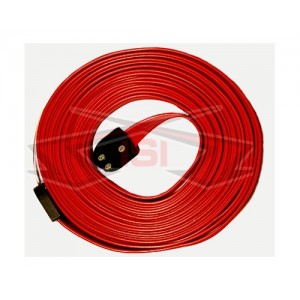
Heat tapes are flexible and reliable heating solutions designed to maintain consistent surface temperatures or protect against the risk of freezing. Powered by electricity, these tapes are commonly used for heating pipelines, tanks, equipment, and various surfaces. Thanks to their high flexibility, easy installation, and energy efficiency, heat tapes are preferred in both industrial and residential areas.
This article provides detailed information about the working principles, technical specifications, advantages, and applications of heat tapes.
What is a Heat Tape?
Heat tapes are flexible heating elements that convert electrical energy into heat and distribute this heat evenly across surfaces. They are used for heating pipes, tanks, or surfaces and typically offer maximum efficiency with low energy consumption.
The most important feature of heat tapes is their ease of installation and customizable nature. Users can wrap the tape around the required area for direct application.
Working Principle of Heat Tapes
The basic working principle of heat tapes relies on the generation of heat energy through the passage of electric current in a resistive material. The process works as follows:
- Electric Current: Electrical energy is passed through the resistive material within the heat tape.
- Heating the Resistor: The resistive material converts electrical energy into heat, warming the surface.
- Even Heat Distribution: Thanks to the flexible structure of heat tapes, heat is evenly distributed across the entire surface.
These tapes are typically integrated with temperature control devices or thermostats to allow precise adjustment of temperature levels.
Technical Specifications of Heat Tapes
Heat tapes are flexible and reliable heating solutions widely used in industrial and commercial applications. Their flexibility, durability, and various technical features make them effective across different sectors. Below are the main technical specifications of heat tapes discussed in detail:
Flexibility and Ease of Use
One of the most prominent features of heat tapes is their flexible structure. This flexibility allows them to be easily wrapped around various surfaces and adapt to complex shapes. The advantages provided by these features are as follows:
- Compatibility with Various Surfaces: Heat tapes can be easily wrapped around different surfaces such as pipes, tanks, machines, and other equipment. This ensures effective heating even in long and narrow areas like pipelines.
- Adaptation to Complex Shapes: The flexible nature of heat tapes allows them to be applied seamlessly on corners, joints, and irregularly shaped surfaces. This supports homogeneous heat distribution and prevents issues like freezing.
- Quick and Easy Installation: Heat tapes can be applied directly without the need for additional equipment or complex assembly processes. Their user-friendly design ensures a quick installation process and reduces labor costs.
- Portability: Due to their flexible and lightweight structure, heat tapes are an ideal solution for situations requiring portability and easy application to different areas. This facilitates maintenance and repair processes.
- Modular Design: Heat tapes can be cut to the required length and width, making them customizable according to different application needs. This modular structure allows users to use only the necessary amount of tape, preventing material waste.
Temperature Range
The operating temperature range of heat tapes is offered across a wide spectrum to meet various application needs. This feature allows the devices to be effectively used in different industrial processes.
- Wide Temperature Range: Heat tapes typically operate within temperature ranges from -50°C to 250°C, making them suitable for a wide variety of applications. They are used in outdoor applications requiring freeze prevention to industrial processes that require high temperatures.
- Special Designs: Heat tapes specially designed for applications requiring high temperatures are available. These models are manufactured using materials and components that are resistant to higher temperatures, ensuring reliable performance even under extreme conditions.
- Precise Temperature Control: Heat tapes stand out with their ability to maintain stable temperatures within specific ranges. This helps in preserving product quality in processes requiring precise heating.
- Thermal Stability: The material structures of heat tapes maintain thermal stability even during prolonged use. This ensures consistent performance without degradation when operating continuously at high or low temperatures.
Material Durability
The material structures of heat tapes ensure their durability and long lifespan. The selection of these materials allows heat tapes to adapt to different industrial conditions.
Silicone Coating:
- Chemical Resistance: Silicone coating exhibits high resistance to chemical substances. This is a critical feature for heat tapes used in chemical industries.
- Moisture Resistance: Silicone coating maintains the performance of heat tapes even in humid environments. This makes them ideal for outdoor applications and equipment exposed to water.
- Flexibility: Silicone coating enhances the flexibility of heat tapes, preventing cracking or breaking even under harsh conditions.
PVC Coating:
- Outdoor Protection: PVC coating provides additional protection in outdoor conditions. It is resistant to UV rays, oils, and other environmental factors.
- Wear Resistance: PVC coating is resistant to mechanical wear, preventing surface degradation even during long-term use.
- Heat Insulation: PVC coating effectively insulates heat, increasing energy efficiency and reducing heat loss.
Other Materials:
- Fiberglass Insulation: Some heat tapes are supported by high-temperature-resistant fiberglass insulation materials. This allows heat tapes to operate at higher temperatures.
- Aluminum Foil: Heat tapes with aluminum foil layers are available to enhance heat reflectivity. This reduces heat loss and increases energy efficiency.
Body and Cabling:
- Durable Cables: The cables of heat tapes are made from high-temperature-resistant and flexible materials. This ensures the durability of cables even during long-term use.
- Insulation and Protection: The cable insulation of heat tapes enhances electrical safety while providing protection against mechanical shocks and environmental factors.
Power Capacity
The power capacity of heat tapes is a significant factor determining the heating performance and energy consumption of the device. This feature offers solutions tailored to different application needs.
- Power Range: Heat tapes typically offer power options ranging from 10 W/m to 200 W/m. This wide range accommodates various applications, from heating small pipes to controlling temperatures in large industrial equipment.
- Customizable Power: The power capacity of heat tapes can be customized according to the application area. This allows for selecting heat tapes that can be adjusted to specific heating needs.
- Energy Efficiency: High-power heat tapes provide faster and more effective heating. However, selecting an appropriate power level is essential to ensure energy savings. Low-power tapes can offer sufficient heating while consuming less energy.
- Heat Distribution: Power capacity affects the heat distribution of heat tapes. High-power tapes can distribute heat evenly over larger areas, while low-power tapes provide more localized heating.
Thermostat Integration
Thermostat integration plays a critical role in providing precise temperature control and energy efficiency for heat tapes. This feature allows users to manage heat tapes more effectively and economically.
- Precise Temperature Control: Integrated thermostats ensure that heat tapes operate within specific temperature ranges. This helps maintain the desired temperature continuously and prevents overheating.
- Energy Savings: Thermostat integration optimizes energy consumption by generating only the required amount of heat. This reduces long-term energy costs and supports environmental sustainability.
- Programmable Controls: Some advanced thermostat integrations allow heat tapes to automatically turn on and off at specific times or under certain conditions. This increases ease of use and reduces the need for manual intervention.
- Compatible Systems: Integrated thermostats can work in harmony with existing automation and control systems. This allows heat tapes to be managed and monitored through a central control system, enhancing operational efficiency.
Advanced Thermostat Features: - PID Control: Thermostats integrated with Proportional-Integral-Derivative (PID) control algorithms minimize temperature fluctuations, providing more stable heating. This is highly advantageous in applications requiring precise heating. - User-Friendly Interface: Thermostat integration comes with user-friendly interfaces, such as digital displays, touch panels, or remote control options, allowing users to easily control heat tapes.
Applications of Heat Tapes
Heat tapes are used across a wide range of applications, offering effective solutions in both industrial and individual settings. Here are the most common application areas:
1. Pipelines and Liquid Transport Systems
- Purpose: Preventing pipes from freezing and maintaining liquid flow.
- Application: Heating pipes carrying water, chemicals, gases, or oil.
2. Storage Tanks
- Purpose: Maintaining a stable temperature within the tank.
- Application: Chemical industries, oil tanks, and food production facilities.
3. Food Industry
- Purpose: Ensuring that liquids and products remain at specific temperatures.
- Application: Pasteurization tanks, chocolate melting units.
4. Construction and Building Systems
- Purpose: Preventing snow and ice accumulation in roofs, gutters, and drainage systems.
- Application: Protection of rainwater drainage systems.
5. Medical and Laboratory Equipment
- Purpose: Maintaining the temperatures of sensitive devices.
- Application: Test tubes, sensitive chemical substances.
Advantages of Heat Tapes
Heat tapes offer practical and energy-efficient heating solutions with numerous advantages. Here are the standout benefits:
1. Energy Efficiency
- Provides high efficiency with low energy consumption. Self-regulating models, in particular, offer energy savings.
2. Easy Installation and Use
- Thanks to their tape form, heat tapes can be easily applied to complex areas. Installation is quick and practical.
3. Wide Range of Applications
- Can be used in various areas, from pipes and tanks to surfaces and equipment.
4. Durability
- Manufactured from materials resistant to chemicals, moisture, and abrasive environments.
5. Precise Temperature Control
- Allows for precise temperature adjustments with thermostats or temperature control devices.
6. Freeze Prevention
- Prevents freezing of pipelines and water systems in cold climates, providing significant cost savings.
Factors to Consider When Selecting Heat Tapes
Choosing the right heat tape is important for both performance and longevity. When making a selection, consider the following factors:
- Application Area: Consider the size, shape, and material of the surface where the heat tape will be used.
- Temperature Range: Select a tape that matches the required temperature range for your application.
- Energy Consumption: Energy-efficient models reduce long-term costs.
- Coating Material: Choose an appropriate coating based on outdoor conditions or exposure to chemicals.
- Use of Thermostat: Prefer models that support temperature control with thermostats.
Heat Tapes
Heat tapes stand out among modern heating solutions with their flexibility, ease of use, and energy efficiency. These devices, which can be used in both industrial and individual areas according to different needs, provide effective heating at low costs.
Selecting the right heat tape not only reduces energy costs but also protects your systems from harsh weather conditions. By choosing the most suitable model according to your usage purpose and needs, you can maximize the advantages offered by these devices.
Frequently Asked Questions
1. What is a heat tape?
A heat tape is a flexible electric heating element used to prevent freezing or to heat surfaces such as pipelines, tanks, or equipment.
2. Where are heat tapes used?
They are typically used in water pipes, roof edges, tanks, industrial equipment, and outdoor applications.
3. What are the advantages of heat tapes?
Easy installation, flexible structure, energy efficiency, and adaptability to various surfaces are among their advantages.
4. How do heat tapes work?
When electrical current passes through the heat tape, heat is generated due to resistance, which keeps the protected surface warm.
5. What should I consider when selecting a heat tape?
Consider the application area, required heating power, energy source, environmental conditions, and compliance with safety standards.
6. What is the lifespan of heat tapes?
With proper use and maintenance, they can typically last up to 10 years.
7. How are heat tapes installed?
They are adhered to clean and dry surfaces, properly connected, and, if necessary, controlled with a thermostat. It is important to follow the manufacturer's instructions during installation.
8. What is the energy consumption of heat tapes?
It varies depending on the power of the heat tape and the duration of use. Choosing energy-efficient models ensures savings.
9. Are heat tapes safe?
They are safe when installed and used correctly. Using a thermostat is recommended to prevent overheating.
10. How should I maintain heat tapes?
Regularly check connections, ensure surface cleanliness, and replace any damaged tapes as necessary.