
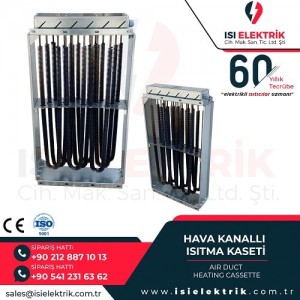
Hava Kanalı Isıtıcıları
Isıtma sistemleri, endüstriyel ve ticari alanlarda büyük öneme sahiptir. Özellikle geniş hacimli alanların ısıtılmasında hava kanalı ısıtıcıları, etkili ve verimli çözümler sunar. Havalandırma ve iklimlendirme sistemlerinde sıcak hava üreten bu cihazlar, fabrikalardan alışveriş merkezlerine kadar birçok alanda kullanılmaktadır.
Peki, hava kanalı ısıtıcıları nedir, nasıl çalışır ve hangi avantajları sunar? Bu rehberde, hava kanalı ısıtıcılarının teknik detaylarını, çeşitlerini ve kullanım alanlarını detaylı bir şekilde inceleyeceğiz.
İmalat Ürünlerimiz
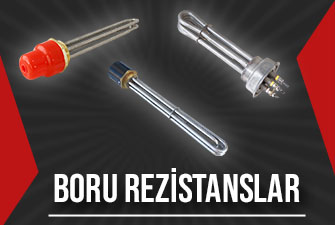
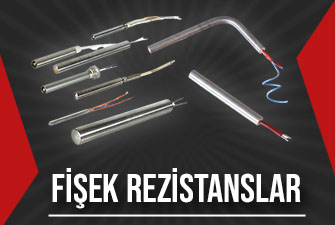
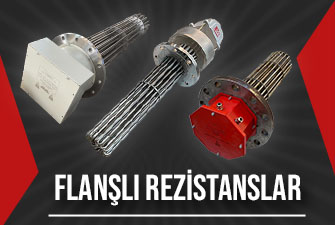
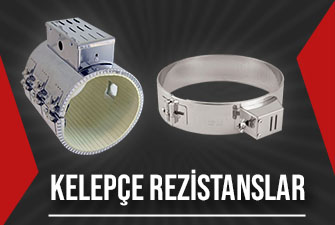
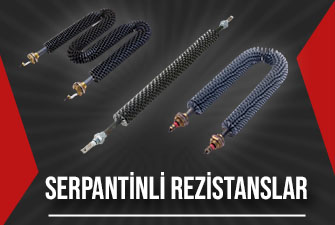
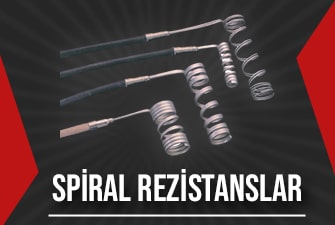
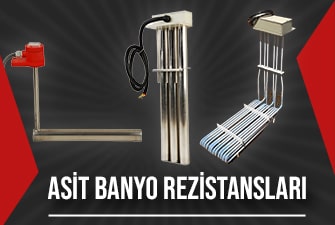
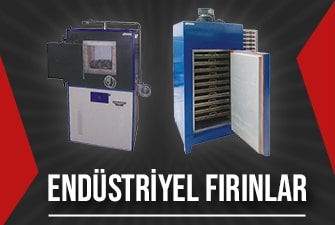
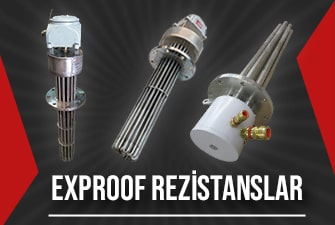
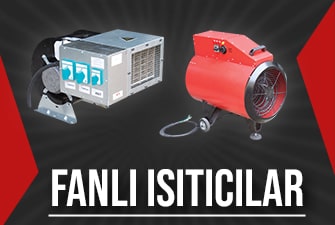
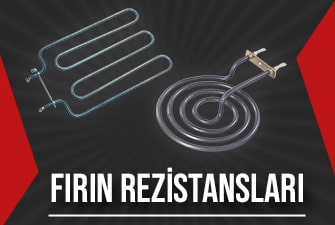
Tüm Ürünlerimizi Görmek İçin Tıklayın
Hava Kanalı Isıtıcıları Nedir?
Hava kanalı ısıtıcıları, HVAC (Isıtma, Havalandırma ve Klima) sistemlerine entegre edilen, havanın sıcaklığını artıran özel ısıtma elemanlarıdır. Elektrik enerjisi veya gaz ile çalışabilen bu cihazlar, geniş alanların homojen bir şekilde ısıtılmasını sağlar.
Bu ısıtıcılar, hava akışına direnç göstermeden hızlı ve verimli bir ısı transferi gerçekleştirir. Fabrikalarda, otellerde, AVM'lerde ve hastanelerde yaygın olarak kullanılan hava kanalı ısıtıcıları, ortam havasını belirli bir sıcaklıkta tutarak konfor ve enerji tasarrufu sağlar.
Hava Kanalı Isıtıcılarının Çalışma Prensibi
Hava kanalı ısıtıcıları, genellikle havalandırma kanalları içinde monte edilen elektrikli rezistanslar veya gaz brülörleri aracılığıyla havayı ısıtarak çalışır. Çalışma prensibi şu şekildedir:
- Havalandırma fanı ortam havasını veya dışarıdan gelen havayı çeker.
- Isıtıcı elemanlar (elektrikli rezistanslar veya gazlı brülörler) havayı istenilen sıcaklığa kadar ısıtır.
- Sensörler ve termostatlar, hava sıcaklığını kontrol eder ve sabit bir sıcaklıkta tutar.
- Isıtılmış hava, havalandırma kanalları aracılığıyla bina içine dağıtılır.
Bu sistem, enerji verimliliğini artırırken ortam sıcaklığının da sabit kalmasını sağlar ve birçok endüstriyel ve ticari uygulamada kullanılır.
Hava Kanalı Isıtıcılarının Çeşitleri
Hava kanalı ısıtıcıları, kullanım amacına ve enerji kaynağına göre farklı türlerde üretilmektedir. İşte en yaygın hava kanalı ısıtıcı çeşitleri:
1. Elektrikli Hava Kanalı Isıtıcıları
- Elektrik enerjisiyle çalışır ve doğrudan rezistanslar aracılığıyla havayı ısıtır.
- Küçük ve orta ölçekli işletmelerde yaygın olarak kullanılır.
- Termostat ve sensörler sayesinde hassas sıcaklık kontrolü sağlar.
2. Gazlı Hava Kanalı Isıtıcıları
- Doğal gaz veya LPG ile çalışır ve yüksek ısı gücü sağlar.
- Büyük sanayi tesisleri, fabrikalar ve seralar için idealdir.
- Daha düşük işletme maliyetleri sunar ancak baca ve güvenlik önlemleri gerektirir.
3. Buhar ve Sıcak Su Destekli Hava Kanalı Isıtıcıları
- Kazan sistemleriyle entegre çalışarak havayı ısıtır.
- Genellikle merkezi ısıtma sistemlerinde kullanılır.
- Buhar veya sıcak su boruları aracılığıyla ısı transferi gerçekleştirir.
4. Kızılötesi (Infrared) Hava Kanalı Isıtıcıları
- Kızılötesi radyasyon teknolojisini kullanarak havayı ısıtır.
- Nemli ve soğuk ortamlar için uygundur.
- Hızlı ve anlık ısıtma özelliğine sahiptir.
Bu çeşitlilik, hava kanalı ısıtıcılarının farklı endüstrilerde ve mekanlarda rahatlıkla kullanılmasını sağlar ve ihtiyaca uygun çözümler sunar.
Hava Kanalı Isıtıcılarının Kullanım Alanları
Hava kanalı ısıtıcıları, endüstriyel ve ticari birçok alanda yaygın olarak kullanılmakta olup, modern ısıtma sistemlerinin vazgeçilmez bir parçası haline gelmiştir. Bu ısıtıcılar, farklı sektörlerde sağladıkları verimlilik ve esneklik sayesinde geniş bir yelpazede tercih edilmektedir.
1. Endüstriyel Kullanım
- Endüstriyel ortamlarda hava kanalı ısıtıcıları, üretim alanlarının ısıtılması, depo ve lojistik merkezlerinde sıcak hava sağlanması gibi önemli görevler üstlenirler. Fabrika üretim alanlarında, üretim süreçlerinin devamlılığı için gerekli olan ideal sıcaklık koşullarını sağlamak amacıyla kullanılırlar. Depo ve lojistik merkezlerinde ise, depolanan ürünlerin kalite standartlarının korunması için sıcak hava dolaşımı sağlanır. Gıda üretim tesislerinde ise, hijyenik ve kontrol altında tutulmuş sıcak hava akışı, ürünlerin güvenli ve sağlıklı bir şekilde üretilmesini destekler.
2. Ticari Kullanım
- Ticari alanlarda, hava kanalı ısıtıcıları alışveriş merkezlerinde merkezi ısıtma sistemleri olarak önemli bir rol oynar. Otellerde, restoranlarda ve spor salonlarında ise, konforlu bir ortam sağlamak için hava ısıtma sistemlerinde kullanılırlar. Hastane ve laboratuvarlarda ise, hijyenik hava dolaşımı sağlamak amacıyla tercih edilirler. Bu sayede, hem çalışanların hem de müşterilerin sağlıklı ve konforlu bir ortamda bulunmaları sağlanır.
3. Tarım ve Seracılık
- Tarım sektöründe, büyük seralarda bitkilerin ideal sıcaklıkta yetişmesini sağlamak için hava kanalı ısıtıcıları kullanılır. Bu ısıtıcılar, bitkilerin sağlıklı büyümesi için gerekli olan sıcaklık ve nem dengesini koruyarak verimliliği artırır. Ayrıca, hayvan barınaklarında da sıcak hava sağlayarak hayvanların sağlığını ve verimliliğini desteklerler. Soğuk havalarda hayvanların sağlığını korumak ve üretim süreçlerini devam ettirmek için gerekli ısıtma çözümlerini sunarlar.
4. Havalandırma ve Klima Sistemleri
- Hava kanalı ısıtıcıları, HVAC (Isıtma, Havalandırma ve Klima) sistemlerinde sıcak hava desteği sağlamak için yaygın olarak kullanılırlar. Bu ısıtıcılar, hava perdelerinde ek ısıtıcı olarak entegre edilerek ortamın sıcaklık dengesini korur. HVAC sistemlerinde kullanılan hava kanalı ısıtıcıları, enerji verimliliğini artırırken, aynı zamanda kullanıcıların konforunu maksimize eder. Özellikle büyük ticari binalarda ve endüstriyel tesislerde, bu ısıtıcılar sayesinde sıcaklık kontrolü daha hassas ve etkili bir şekilde sağlanır.
- Hava kanalı ısıtıcıları, endüstriyel ve ticari birçok alanda sağladıkları esneklik ve verimlilik sayesinde geniş bir kullanım yelpazesine sahiptir. Fabrikalardan alışveriş merkezlerine, seracılıktan HVAC sistemlerine kadar çeşitli sektörlerde etkili ısıtma çözümleri sunan bu ısıtıcılar, modern ısıtma sistemlerinin vazgeçilmez bileşenleri arasında yer almaktadır. Doğru hava kanalı ısıtıcısını seçmek, hem enerji verimliliğini artırırken hem de kullanıcıların konforunu maksimize eder.
Hava Kanalı Isıtıcılarının Avantajları
Hava kanalı ısıtıcıları, endüstriyel ve ticari alanlarda geniş bir kullanım yelpazesi sunarak, çeşitli avantajlarla işletmeler için ideal bir ısıtma çözümü haline gelmiştir. İşte hava kanalı ısıtıcılarının başlıca avantajları:
Geniş Alanları Verimli Isıtma
- Hava kanalı ısıtıcıları, büyük iç mekanları homojen şekilde ısıtma kapasitesine sahiptir. Geniş alanlarda eşit ısı dağılımı sağlayarak, her köşede konforlu bir ortam oluşturur. Bu özellik, özellikle fabrika üretim alanları, depolar ve büyük ticari tesisler gibi geniş hacimli mekanlarda oldukça önemlidir. Homojen ısı dağılımı, sıcaklık dengesizliğini önler ve tüm alanın aynı konfor seviyesinde olmasını sağlar.
Enerji Tasarrufu
- Enerji tasarrufu, işletmeler için maliyetleri düşürmede kritik bir rol oynar. Hava kanalı ısıtıcıları, entegre termostat ve sensör sistemleri sayesinde gereksiz enerji tüketimini önler. Bu sistemler, ortam sıcaklığını sürekli olarak izleyerek, sadece ihtiyaç duyulduğunda ısıtma sağlar. Böylece, enerji israfı minimuma indirilir ve işletme maliyetleri azaltılır. Ayrıca, enerji verimliliği yüksek olan bu ısıtıcılar, çevresel etkilerin de azaltılmasına katkıda bulunur.
Kolay Kurulum ve Bakım
- Hava kanalı ısıtıcıları, mevcut havalandırma sistemlerine kolayca entegre edilebilirler. Standart bağlantı noktaları ve uyumlu tasarımları sayesinde, kurulum süreci hızlı ve sorunsuz bir şekilde gerçekleştirilir. Bu da, işletmelerin operasyonel kesintiler yaşamadan ısıtma sistemlerini devreye almasını sağlar. Ayrıca, düzenli bakım ve temizlik işlemleri basit olup, uzun ömürlü kullanım için gerekli olan bakım süreçleri kolaylıkla uygulanabilir.
Uzun Ömürlü Kullanım
- Yüksek kaliteli malzemelerle üretilen hava kanalı ısıtıcıları, uzun süre dayanıklılık sunar. Paslanmaz çelik gövdeleri ve dayanıklı ısıtma elemanları sayesinde, aşınma ve yıpranmaya karşı dirençlidirler. Bu dayanıklılık, ısıtıcıların uzun ömürlü olmasını sağlar ve sık sık değiştirme ihtiyacını ortadan kaldırır. Uzun ömür, işletmelerin bakım ve değiştirme maliyetlerini düşürürken, aynı zamanda güvenilir bir ısıtma çözümü sunar.
Hassas Sıcaklık Kontrolü
- Hava kanalı ısıtıcıları, hassas sıcaklık kontrolü sağlayan termostat ve sensör sistemleri ile donatılmıştır. Bu sistemler, ortam sıcaklığını istenilen seviyede sabit tutarak, kullanıcıların konforunu maksimize eder. Hassas sıcaklık kontrolü, özellikle hassas üretim süreçlerinde ve konfor gerektiren ticari alanlarda büyük önem taşır. Bu sayede, istenmeyen sıcaklık dalgalanmaları önlenir ve üretim kalitesi ile kullanıcı memnuniyeti artırılır.
Hava kanalı ısıtıcılarının sunduğu geniş alanları verimli ısıtma, enerji tasarrufu, kolay kurulum ve bakım, uzun ömürlü kullanım ve hassas sıcaklık kontrolü gibi avantajlar, onları endüstriyel ve ticari uygulamalar için ideal bir ısıtma çözümü haline getirir. Bu avantajlar sayesinde, hava kanalı ısıtıcıları modern ısıtma sistemlerinin vazgeçilmez bir parçası olarak kabul edilmektedir. Doğru hava kanalı ısıtıcısını seçmek, hem enerji verimliliğini artırırken hem de kullanıcıların konforunu maksimize eder, işletmelerin verimliliğini ve maliyet etkinliğini destekler.
Rezistans Çeşitleri
Müşterilerimizin tüm rezistans taleplerinde yanlarındayız. Sizlerin de rezistans konusunda bir ihtiyacı olması halinde çözüm ortağı olmaya hazırız.Rezistans Ürünlerimizi Görmek İçin Tıklayın!
- Boru Rezistanslar
- Fişek Rezistans
- Serpantinli Rezistans
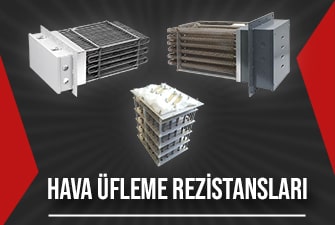
- Hava Üfleme Rezistansları
- Plaka Rezistanslar
- Kelepçe Rezistanslar
- Spiral Rezistanslar
- Seramik Rezistanslar
- Meme Rezistanslar
- Esnek Silikon Rezistanslar
- Termokupllar
- Fanlı Isıtıcılar
- Manifold Rezistanslar
- Asit Banyo Rezistanslar
- Quartz İnfraed Rezistanslar
- Kesilebilir Kablo Rezistanslar
- Isı Bantları
- Endüstriyel Fırınlar
- Rezistans Telleri
- Rezistans Boruları
- Rezistans Tozu
- Rezistans Taşı
- Mikanit Levha
- Quartz Cam Boru
- Fişek Taşları
- Yüksek Isıya Dayanıklı Kablolar
- Kendinden Regüleli Kablo Isıtıcılar
- Fişler & Prizler
Eğer rezistans İhtiyacız varsa firmamız ihtiyaçlarınızı tam anlamıyla giderecektir, hemen bizimle iletişime geçin ve en iyi rezistans türlerine sahip olma fırsatını yakalayın.
Hava Kanalı Isıtıcısı Seçerken Dikkat Edilmesi Gerekenler
Isıtma Gücü: Kullanılacak alanın büyüklüğüne göre doğru watt değerinde olmalıdır.
Enerji Kaynağı: Elektrikli mi, gazlı mı yoksa buhar destekli mi olacağı belirlenmelidir.
Montaj Uyumluluğu: Mevcut havalandırma sistemine uygun olmalıdır.
Termostat ve Sensör Desteği: Otomatik sıcaklık kontrolü sağlayan modeller tercih edilmelidir.
Güvenlik Önlemleri: Yangın ve aşırı ısınma riskine karşı koruma sistemleri bulunmalıdır.
Bu kriterlere dikkat edildiğinde, en uygun hava kanalı ısıtıcısını seçerek maksimum verimlilik ve konfor sağlanabilir.
Hava Kanalı Isıtıcıları
Hava kanalı ısıtıcıları, endüstriyel ve ticari alanlarda geniş hacimli mekanların verimli ve güvenli şekilde ısıtılmasını sağlayan önemli bir teknolojidir. Elektrikli, gazlı ve buhar destekli seçenekleriyle farklı ihtiyaçlara çözüm sunan bu ısıtıcılar, modern havalandırma sistemlerinin ayrılmaz bir parçasıdır.
Sıkça Sorulan Sorular
1. Hava Kanalı Isıtıcısı Nedir?
Hava kanalı ısıtıcıları, merkezi ısıtma sistemlerinin bir parçası olarak çalışan ve havayı ısıtarak binaların farklı bölgelerine dağıtan ısıtma elemanlarıdır.
2. Hava Kanalı Isıtıcıları Nerelerde Kullanılır?
Evler, ofisler, endüstriyel tesisler, hastaneler ve ticari binalarda konforlu ve enerji verimli bir iç ortam sağlamak için kullanılır.
3. Hava Kanalı Isıtıcısı Türleri Nelerdir?
- Elektrikli Isıtıcılar: Elektrik enerjisi kullanır, hızlı ısınma sağlar.
- Gazlı Isıtıcılar: Doğal gaz veya propan ile çalışır, yüksek ısı kapasitesine sahiptir.
- Yağlı Isıtıcılar: Yağ bazlı ısı transferi yapar, düşük sıcaklıklarda verimli ısıtma sunar.
- Kondansasyonlu Isıtıcılar: Yanma ürünlerini geri kazanarak daha yüksek verimlilik sağlar.
4. Hava Kanalı Isıtıcılarının Avantajları Nelerdir?
- Eşit Isı Dağılımı: Tüm odalara homojen ısı sağlar.
- Enerji Verimliliği: Modern modeller enerji tasarrufu sağlar.
- Hassas Sıcaklık Kontrolü: Termostatlarla istenilen sıcaklıkta kalır.
- Uzun Ömür: Dayanıklı malzemelerden üretilmiştir.
5. Hava Kanalı Isıtıcısı Seçerken Nelere Dikkat Edilmelidir?
- Isıtma Kapasitesi: Bina büyüklüğüne uygun olmalı.
- Enerji Kaynağı: Elektrik, gaz veya yağ seçeneklerinden uygun olanı seçilmeli.
- Montaj Alanı: Mevcut HVAC sistemine uyumlu olmalı.
- Verimlilik: Yüksek enerji verimliliğine sahip modeller tercih edilmeli.