
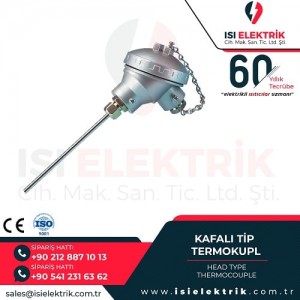
Termokupllar
Termokupllar, sıcaklık ölçümü ve kontrolü için kullanılan, endüstriyel uygulamalarda sıklıkla tercih edilen hassas bir ölçüm cihazıdır. Güvenilir, dayanıklı ve geniş bir sıcaklık aralığında çalışabilen yapısıyla termokupllar, farklı sektörlerde sıcaklık izleme süreçlerinde kritik bir rol oynar.
Bu yazıda termokuplların çalışma prensibinden teknik özelliklerine, çeşitlerinden kullanım alanlarına kadar kapsamlı bir şekilde bilgi bulabilirsiniz.
İmalat Ürünlerimiz
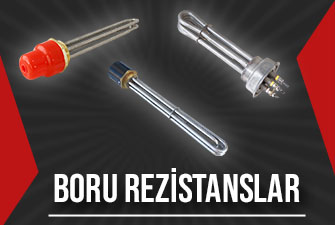
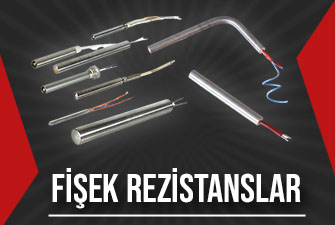
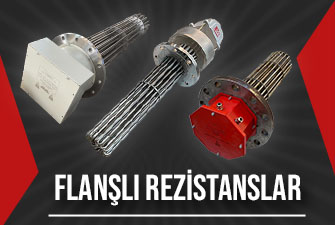
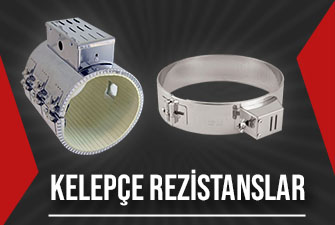
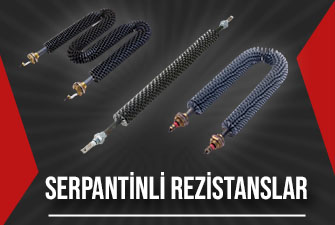
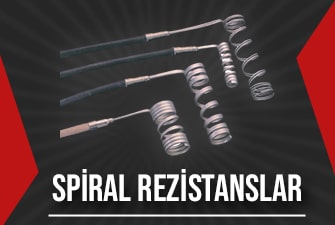
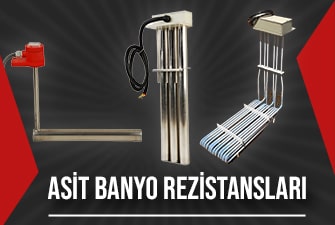
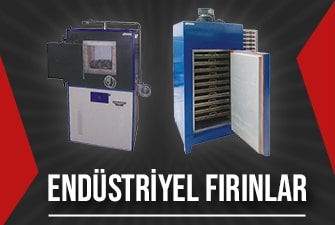
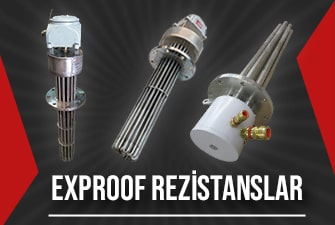
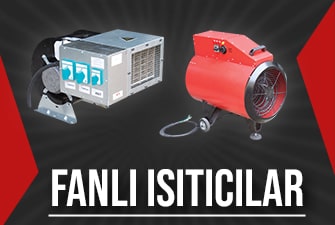
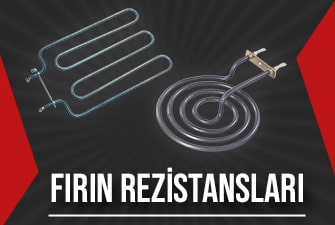
Tüm Ürünlerimizi Görmek İçin Tıklayın
Termokupl Nedir?
Termokupl, iki farklı metalin birleşiminden oluşan ve bu birleşim noktasındaki sıcaklık değişimini elektrik sinyaline çevirerek ölçüm yapılmasını sağlayan bir sıcaklık ölçüm cihazıdır. Bu cihaz, sıcaklık farkını bir elektrik gerilimi (milivolt) olarak algılar ve bu sinyali sıcaklık değerine dönüştürür.
Termokupllar, yüksek doğruluk oranı, geniş sıcaklık aralığı ve dayanıklı yapısıyla endüstriyel uygulamalarda yaygın olarak tercih edilir. Hem düşük maliyetli hem de esnek bir ölçüm yöntemi sunar.
Termokuplların Çalışma Prensibi
Termokupllar, sıcaklık ölçümlerinde yaygın olarak kullanılan ve geniş uygulama alanlarına sahip hassas sensörlerdir. Bu cihazların çalışma prensibi, "Seebeck etkisi" adı verilen temel bir fiziksel fenomene dayanır. Aşağıda, termokuplların çalışma prensibi ve ilgili teknik detayları detaylı bir şekilde ele alınmıştır:
Seebeck Etkisi ve Temel Prensip
- Seebeck Etkisi: 1821 yılında Alman fizikçi Thomas Johann Seebeck tarafından keşfedilen bu etki, iki farklı metalin birleşim noktasındaki sıcaklık farkından kaynaklanan elektrik potansiyelinin oluşmasını ifade eder. Seebeck etkisi, termokuplların temel çalışma prensibini oluşturur.
- Elektrik Potansiyeli Oluşumu: İki farklı metal telin bir araya geldiği noktada sıcaklık farkı oluştuğunda, elektron yoğunluğu ve hareketi bu metal çiftinde değişir. Bu değişim, iki tel arasında küçük bir elektrik gerilimi (voltaj) oluşturur. Bu voltaj, sıcaklık farkına orantılıdır ve belirli bir sıcaklık aralığında ölçülebilir.
İki Farklı Metalin Birleşimi
- Metal Seçimi: Termokupllar, genellikle iki farklı metal telin birleştirilmesiyle oluşturulur. Kullanılan metaller, termokuplun tipine bağlı olarak değişir ve her metalin kendine özgü termal ve elektriksel özellikleri bulunur. Yaygın kullanılan termokupl türleri arasında Tip K (Krom-Aluminyum), Tip J (Demir-Nikel), Tip T (Bakır-Bakır Nikel) ve Tip E (Platin-Rodyum) gibi çeşitler bulunmaktadır.
- Sıcak Uç ve Soğuk Uç: Birleştirilen iki metal telin ortak noktası "sıcak uç" (ölçüm yapılacak nokta) olarak adlandırılırken, diğer uçlar "soğuk uç" (referans noktası) olarak işlev görür. Sıcak uç, ölçüm yapılacak ortama maruz kalırken, soğuk uç çevre sıcaklığında kalır.
Sıcaklık Farkı ve Gerilim Oluşumu
- Sıcaklık Farkının Etkisi: Sıcak uç ile soğuk uç arasındaki sıcaklık farkı, termokuplun elektrik potansiyeli üretmesini sağlar. Bu fark ne kadar büyükse, üretilen voltaj da o kadar yüksek olur.
- Gerilim Ölçümü: Oluşan elektrik potansiyeli (gerilim), çok küçük değerlerde (genellikle mikrovolt seviyelerinde) olabilir. Bu nedenle, gerilim sinyalinin doğru bir şekilde ölçülmesi ve işlenmesi için özel cihazlar kullanılır.
Gerilim Sinyalinin Ölçülmesi ve Sıcaklık Değerine Dönüştürülmesi
- Termokupl Okuyucu: Üretilen gerilim sinyali, termokupl okuyucusu veya kontrol ünitesi gibi özel cihazlar tarafından algılanır. Bu cihazlar, termokuplun tipine bağlı olarak gerilim sinyalini doğru sıcaklık değerine dönüştürmek için kalibre edilmiş tablolar veya dijital dönüşüm yöntemleri kullanır.
- Sinyal İşleme: Termokupl okuyucuları, genellikle analog veya dijital çıkışlar sağlar ve bu sayede sıcaklık değerleri diğer sistemlerle entegre edilebilir. Dijital okuyucular, sıcaklık verilerini daha kolay işleyebilmek için bilgisayar sistemlerine veya veri toplama cihazlarına iletebilir.
Termokupl Türleri ve Uygulama Alanları
Termokupl Türleri:
- Tip K (Krom-Aluminyum): Geniş sıcaklık aralığı ve yüksek hassasiyeti ile yaygın olarak kullanılır. Genellikle endüstriyel proseslerde tercih edilir.
- Tip J (Demir-Nikel): Daha düşük sıcaklık aralıkları için uygundur ve özellikle laboratuvar uygulamalarında kullanılır.
- Tip T (Bakır-Bakır Nikel): Düşük sıcaklık aralıklarında yüksek hassasiyet sunar. Soğuk ortam uygulamalarında idealdir.
- Tip E (Platin-Rodyum): Yüksek sıcaklık uygulamaları için kullanılır ve yüksek termal stabiliteye sahiptir.
Uygulama Alanları:
- Endüstriyel Proses Kontrolü: Fırınlar, kazanlar, kimyasal reaktörler gibi yüksek sıcaklık gerektiren tesislerde kullanılır.
- HVAC Sistemleri: Isıtma, havalandırma ve iklimlendirme sistemlerinde sıcaklık ölçümleri için kullanılır.
- Elektronik ve Otomotiv Sektörü: Motor sıcaklığı izleme, elektronik cihazlarda ısıtma elemanlarının kontrolü gibi uygulamalarda kullanılır.
- Gıda ve İlaç Endüstrisi: Pastörizasyon, sterilizasyon ve hassas üretim süreçlerinde güvenilir sıcaklık ölçümleri sağlar.
- Laboratuvar ve Araştırma: Kimyasal reaksiyonların ve deneylerin doğru bir şekilde yürütülmesi için hassas sıcaklık kontrolü sağlar.
Avantajlar ve Dezavantajlar
Avantajlar:
- Geniş Sıcaklık Aralığı: Termokupllar, çok geniş bir sıcaklık aralığında çalışabilirler, bu da onları çeşitli uygulamalar için esnek kılar.
- Hızlı Tepki Süresi: Termokupllar, sıcaklık değişikliklerine hızlı bir şekilde yanıt verebilirler, bu da dinamik proses kontrolü için idealdir.
- Dayanıklılık ve Güvenilirlik: Termokupllar, zorlu endüstriyel koşullara dayanacak şekilde tasarlanmış olup uzun ömürlüdürler.
- Düşük Maliyet: Termokupllar, diğer sıcaklık sensörlerine göre daha düşük maliyetli olabilirler ve bakım gereksinimleri azdır.
Dezavantajlar:
- Düşük Hassasiyet: Bazı termokupl türleri, diğer sıcaklık sensörlerine (örneğin termistörler veya RTD'ler) kıyasla daha düşük hassasiyete sahip olabilirler.
- Kompanzasyon Gerekliliği: Soğuk uç sıcaklığındaki değişikliklerin etkisini minimize etmek için tel kompanzasyonu gereklidir.
- Parazit Duyarlılığı: Elektriksel parazitlere karşı duyarlı olabilirler, bu nedenle uygun ekranlama ve izolasyon gerektirirler.
Termokuplların Kalibrasyonu ve Tel Kompanzasyonu
Kalibrasyon: Doğru ve güvenilir ölçümler için termokuplların düzenli olarak kalibre edilmesi gerekir. Kalibrasyon, referans standartlarla karşılaştırılarak yapılır ve ölçüm doğruluğunu sağlar.
Tel Kompanzasyonu: Soğuk uç sıcaklığının değişmesi, ölçüm doğruluğunu etkileyebilir. Tel kompanzasyonu, bu etkileri dengelemek için kullanılır ve böylece termokuplun hassasiyeti artırılır.
Termokuplların Yapısı ve Tasarımı
- Kablo Yapısı: Termokupllar, genellikle iki farklı metal telin birleşiminden oluşur ve bu tellerin izolasyonu, dayanıklılık ve elektriksel performans için önemlidir.
- Koruyucu Kaplamalar: Bazı termokupl türleri, mekanik koruma ve kimyasal direnç sağlamak için özel kaplamalarla donatılmıştır. Bu kaplamalar, termokuplun ömrünü uzatır ve zorlu koşullarda güvenilir performans sağlar.
- Bağlantı Elemanları: Termokupllar, uygun bağlantı elemanları ile diğer sistemlere entegre edilmelidir. Bu elemanlar, doğru elektriksel bağlantıyı ve güvenilir veri iletimini sağlar.
Termokupl Çeşitleri
Termokupllar, farklı uygulamalara uygun olacak şekilde çeşitli tiplerde üretilir. Her bir tip, ölçüm hassasiyeti, sıcaklık aralığı ve dayanıklılık gibi özelliklerde farklılık gösterir. İşte en yaygın termokupl çeşitleri:
1. K Tipi Termokupl
- Sıcaklık Aralığı: -200°C ile 1260°C
- Metaller: Nikel-krom (NiCr) ve nikel-alüminyum (NiAl)
- Kullanım Alanı: Genel endüstriyel uygulamalarda en yaygın kullanılan tiptir. Düşük maliyetli, dayanıklı ve güvenilirdir.
2. J Tipi Termokupl
- Sıcaklık Aralığı: -40°C ile 750°C
- Metaller: Demir (Fe) ve bakır-nikel (CuNi)
- Kullanım Alanı: Daha düşük sıcaklık uygulamaları için uygundur. Eski ekipmanlarda sıklıkla kullanılır.
3. T Tipi Termokupl
- Sıcaklık Aralığı: -200°C ile 350°C
- Metaller: Bakır (Cu) ve bakır-nikel (CuNi)
- Kullanım Alanı: Hassas ölçüm gerektiren uygulamalarda, özellikle kriyojenik (çok düşük sıcaklık) ölçümlerde kullanılır.
4. E Tipi Termokupl
- Sıcaklık Aralığı: -200°C ile 900°C
- Metaller: Nikel-krom (NiCr) ve bakır-nikel (CuNi)
- Kullanım Alanı: Yüksek hassasiyet ve düşük sıcaklık ölçümü gerektiren uygulamalar.
5. R ve S Tipi Termokupl
- Sıcaklık Aralığı: 0°C ile 1450°C
- Metaller: Platin-rodyum (PtRh) ve platin (Pt)
- Kullanım Alanı: Yüksek sıcaklık gerektiren uygulamalarda, genellikle cam ve metal işleme gibi sektörlerde tercih edilir.
6. B Tipi Termokupl
- Sıcaklık Aralığı: 600°C ile 1700°C
- Metaller: Platin-rodyum alaşımları
- Kullanım Alanı: Çok yüksek sıcaklıklarda kullanılan bu termokupllar, laboratuvar uygulamalarında yaygındır.
Termokuplların Teknik Özellikleri
Termokupllar, kullanım amacına göre farklı özelliklere sahiptir. İşte genel olarak termokuplların teknik özellikleri:
1. Geniş Sıcaklık Aralığı
- Çok düşük sıcaklıklardan (örneğin -200°C) çok yüksek sıcaklıklara (1700°C’ye kadar) kadar ölçüm yapabilir.
- Her tip termokupl, belirli bir sıcaklık aralığında maksimum doğruluk sağlar.
2. Hızlı Tepki Süresi
- Sıcaklık değişikliklerine hızlı bir şekilde tepki verir, bu da gerçek zamanlı ölçüm sağlar.
3. Dayanıklılık
- Termokupllar, sert endüstriyel koşullara dayanabilecek şekilde tasarlanmıştır. Aşındırıcı ortamlarda dahi güvenilir bir şekilde çalışabilirler.
4. Ölçüm Hassasiyeti
- Hassas ölçüm sağlar ve genellikle ±1°C’ye kadar doğruluk sunar. Daha hassas ölçüm gerektiren durumlarda uygun tipler seçilmelidir.
5. Malzeme Çeşitliliği
- Farklı metal kombinasyonları kullanılarak geniş bir yelpazede üretilir. Bu, cihazların çeşitli uygulamalarda kullanılabilmesini sağlar.
Termokuplların Kullanım Alanları
Termokupllar, geniş sıcaklık ölçüm aralığı ve dayanıklılığı sayesinde birçok sektörde kullanılmaktadır. İşte başlıca kullanım alanları:
1. Endüstriyel Uygulamalar
- Petrol ve Gaz Endüstrisi: Boru hatlarının sıcaklık izlenmesi.
- Kimya Tesisleri: Reaksiyonların sıcaklık kontrolü.
- Metal İşleme: Ergitme ve döküm süreçlerinde sıcaklık takibi.
2. Gıda ve İçecek Endüstrisi
- Pastörizasyon ve sterilizasyon süreçlerinde sıcaklık ölçümü.
- Fırın ve pişirme cihazlarının izlenmesi.
3. Enerji ve Elektrik Üretimi
- Türbin ve kazan sıcaklıklarının izlenmesi.
- Nükleer enerji santrallerinde sıcaklık kontrolü.
4. Otomotiv Endüstrisi
- Motor parçalarının sıcaklık kontrolü.
- Egzoz gazı sıcaklıklarının ölçülmesi.
5. Laboratuvar ve Test Sistemleri
- Yüksek hassasiyet gerektiren deneylerde sıcaklık ölçümü.
- Araştırma ve geliştirme projelerinde sıcaklık izleme.
Termokuplların Avantajları
Termokupllar, kullanım kolaylığı ve geniş uygulama yelpazesi sunar. İşte bu cihazların sağladığı başlıca avantajlar:
Geniş Ölçüm Aralığı: Düşük ve yüksek sıcaklıklarda kullanılabilir.
- Uygun Maliyet: Diğer sıcaklık ölçüm cihazlarına göre daha ekonomiktir.
- Hızlı Tepki: Sıcaklık değişikliklerini anında algılar.
- Dayanıklılık: Zorlu endüstriyel koşullarda güvenilir bir şekilde çalışır.
- Esneklik: Farklı tipleri, her türlü uygulama için uygundur.
Termokupl Seçerken Nelere Dikkat Edilmelidir?
Termokupl seçimi sırasında, cihazın kullanım amacı ve çalışma ortamı göz önünde bulundurulmalıdır. İşte dikkat edilmesi gereken noktalar:
- Sıcaklık Aralığı: Uygulamanın gerektirdiği sıcaklık aralığına uygun bir termokupl seçilmelidir.
- Çalışma Ortamı: Kimyasal, nem veya aşındırıcı ortamlar için koruyucu kaplamalı modeller tercih edilmelidir.
- Hassasiyet: Hassas ölçüm gereken durumlarda, düşük hata oranına sahip modeller seçilmelidir.
- Maliyet ve Dayanıklılık: Uzun süreli kullanımda ekonomik olan ve dayanıklı bir model tercih edilmelidir.
Rezistans Çeşitleri
Müşterilerimizin tüm rezistans taleplerinde yanlarındayız. Sizlerin de rezistans konusunda bir ihtiyacı olması halinde çözüm ortağı olmaya hazırız.Rezistans Ürünlerimizi Görmek İçin Tıklayın!
- Boru Rezistanslar
- Fişek Rezistans
- Serpantinli Rezistans
- Hava Üfleme Rezistansları
- Plaka Rezistanslar
- Kelepçe Rezistanslar
- Spiral Rezistanslar
- Seramik Rezistanslar
- Meme Rezistanslar
- Esnek Silikon Rezistanslar
- Termokupllar
- Fanlı Isıtıcılar
- Manifold Rezistanslar
- Asit Banyo Rezistanslar
- Quartz İnfraed Rezistanslar
- Kesilebilir Kablo Rezistanslar
- Isı Bantları
- Endüstriyel Fırınlar
- Rezistans Telleri
- Rezistans Boruları
- Rezistans Tozu
- Rezistans Taşı
- Mikanit Levha
- Quartz Cam Boru
- Fişek Taşları
- Yüksek Isıya Dayanıklı Kablolar
- Kendinden Regüleli Kablo Isıtıcılar
- Fişler & Prizler
Eğer rezistans İhtiyacız varsa firmamız ihtiyaçlarınızı tam anlamıyla giderecektir, hemen bizimle iletişime geçin ve en iyi rezistans türlerine sahip olma fırsatını yakalayın.
Termokupllar
Termokupllar, geniş sıcaklık aralığı, dayanıklılık ve uygun maliyetiyle birçok sektörde sıcaklık ölçümü için en uygun çözümlerden biridir. Farklı tipleri ve özellikleri sayesinde, her türlü endüstriyel ve ticari ihtiyaca cevap verebilir. Doğru bir termokupl seçimi, ölçüm doğruluğunu artırırken maliyetlerinizi düşürmenize yardımcı olacaktır.
Sıkça Sorulan Sorular
1. Termokupl nedir?
Termokupl, iki farklı metalin birleştiği noktada sıcaklık farkından dolayı oluşan elektrik gerilimini ölçen bir sıcaklık sensörüdür. Endüstriyel uygulamalarda yaygın olarak kullanılır.
2. Termokuplların kullanım alanları nelerdir?
Termokupllar, fırınlar, kazanlar, motorlar, gaz analizörleri ve çeşitli endüstriyel proses kontrol sistemlerinde sıcaklık ölçümü için kullanılır.
3. Termokuplların avantajları nelerdir?
Geniş sıcaklık aralığında ölçüm yapabilme, hızlı tepki süresi, dayanıklılık ve düşük maliyet gibi avantajlara sahiptirler.
4. Termokuplların çalışma prensibi nasıldır?
İki farklı metal telin birleşim noktasında meydana gelen termoelektrik etki sayesinde sıcaklık farkına bağlı olarak bir gerilim oluşur. Bu gerilim, sıcaklık değerine dönüştürülerek ölçülür.
5. Termokupl türleri nelerdir?
En yaygın termokupl türleri K, J, T, E, N ve S tipi termokupllardır. Her tür, farklı metal kombinasyonlarına ve sıcaklık aralıklarına sahiptir.
6. Termokupl seçerken nelere dikkat edilmelidir?
Ölçüm yapılacak sıcaklık aralığı, çevresel koşullar, hassasiyet gereksinimleri ve uyumlu olduğu cihazlar gibi faktörler göz önünde bulundurulmalıdır.
7. Termokuplların kalibrasyonu nasıl yapılır?
Termokupllar, bilinen sıcaklık referans noktalarında test edilerek ve ölçülen gerilim değerleri ile karşılaştırılarak kalibre edilir. Periyodik kalibrasyon, doğruluklarını korumaları için önemlidir.
8. Termokuplların bakım ve temizliği nasıl yapılmalıdır?
Termokupllar genellikle az bakım gerektirir. Ancak, bağlantı noktalarının temiz tutulması ve fiziksel hasarlardan korunması gerekir. Aşırı kir veya yağlanma durumunda nazikçe temizlenmelidir.
9. Termokuplların dezavantajları nelerdir?
Düşük hassasiyet, uzun kablo kullanıldığında sinyal bozulması ve referans sıcaklık kontrolünün gerekliliği gibi dezavantajları bulunmaktadır.
10. Termokuplların enerji verimliliği nasıldır?
Termokupllar, pasif cihazlar oldukları için enerji tüketmezler ve bu yönleriyle enerji verimliliği yüksektir.