
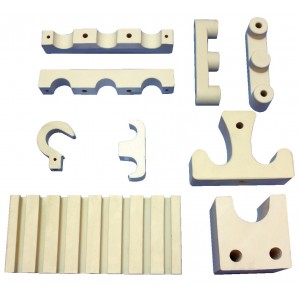
Rezistans Taşı
Rezistans taşı, elektrik enerjisini ısı enerjisine dönüştüren bir bileşendir. Genellikle metal alaşımlarından yapılan uzun, ince bir tel veya eleman olarak karşımıza çıkar. Elektrik akımı rezistans taşından geçtiğinde, taşın direnci nedeniyle ısı üretilir. Bu ısı, bir cihazın içinde veya etrafında odaklanarak istenilen sıcaklığı sağlamak için kullanılır. Rezistans taşları, çeşitli elektrikli cihazlarda yaygın olarak kullanılır. Örneğin, evdeki fırınlar, su ısıtıcıları, ocaklar ve endüstriyel fırınlar gibi cihazlarda sıklıkla karşımıza çıkarlar. Rezistans taşları genellikle uzun ömürlü ve dayanıklıdır, bu da onları ısıtma ihtiyacı olan birçok uygulama için ideal hale getirir.
-min.jpg)
Rezistans Taşı Çalışma Prensibi
Rezistans taşlarının çalışma prensibi, elektrik akımının geçişi sırasında direnç oluşturması ve bu direnç sonucunda ısı üretmesine dayanır. Rezistans taşları genellikle metal alaşımlarından yapılmış ince teller veya elemanlar şeklinde tasarlanmıştır.Elektrik akımı rezistans taşının içinden geçtiğinde, malzemenin direnci nedeniyle enerji ısıya dönüşür. Bu ısı, cihazın içinde veya etrafında istenilen sıcaklığı sağlamak için kullanılır. Rezistans taşlarının direnci, malzemenin özelliklerine, boyutuna ve akımın geçtiği şartlara bağlı olarak değişir.Özetle, rezistans taşlarının çalışma prensibi, elektrik akımının direnç nedeniyle ısıya dönüşmesi ve bu ısının çevrede veya cihazın içinde kullanılmasıyla gerçekleşir. Bu prensip, birçok ev aleti ve endüstriyel uygulamada ısı üretmek için kullanılan temel bir mekanizmadır.
Rezistans Taşı Teknik Özellikleri
- Yapı Malzemesi: Genellikle seramik veya cam materyallerinden imal edilir.
- Şekil: Küresel, silindirik veya dikdörtgen gibi çeşitli şekillerde olabilir.
- Boyut: Çapı 2 mm ila 10 mm arasında değişiklik gösterebilir.
- Güç Aralığı: 1 W'dan 100 W'a kadar değişebilir.
- Voltaj: 12 V'dan 480 V'a kadar değişen voltajlarda kullanılabilir.
- Çalışma Sıcaklığı: 0°C ila 650°C arasında değişebilir.
- Isıtma Elemanı Türü: Nikel krom tel, demir krom alüminyum tel gibi çeşitli malzemelerden oluşur.
- Terminaller: Bakır veya pirinç terminallerle donatılabilir.
- Koruma Sınıfı: IP40 veya IP65 gibi koruma sınıflarına sahip olabilir.
Popüler Rezistans Taşı Türleri ve Teknik Özellikleri
- Seramik Rezistans Taşları:
- Yapı Malzemesi: Alüminyum oksit, silikon karbür, magnezyum oksit gibi malzemeler kullanılır.
- Çalışma Sıcaklığı: En fazla 650°C'ye kadar kullanılabilir.
- Direnç: 1.0 Ωm ila 10.0 Ωm arasında değişir.
- Isıl İletkenlik: 10 W/mK ila 100 W/mK arasında değişiklik gösterebilir.
- Yoğunluk: 3.0 g/cm³ ila 4.0 g/cm³ arasında değişebilir.
- Gam Rezistans Taşları:
- Yapı Malzemesi: Borosilikat cam, kuvars cam gibi malzemelerden imal edilebilir.
- Çalışma Sıcaklığı: En fazla 450°C'ye kadar kullanılabilir.
- Direnç: 10.0 Ωm ila 100.0 Ωm arasında değişebilir.
- Isıl İletkenlik: 1.0 W/mK ila 10 W/mK arasında değişiklik gösterebilir.
- Yoğunluk: 2.5 g/cm³ ila 3.0 g/cm³ arasında değişebilir.
Rezistans Taşı Yapımında Kullanılan Malzemeler
- Seramik: Rezistans taşlarının yapıldığı en yaygın malzemelerden biri seramiktir. Seramik malzemeler genellikle yüksek sıcaklıklara dayanıklıdır ve elektriksel yalıtım özelliklerine sahiptir. Bu özellikler, seramik rezistans taşlarını ısıtma uygulamalarında ideal bir seçenek haline getirir.
- Cam: Bazı rezistans taşları cam malzemeden yapılır. Özellikle borosilikat cam ve kuvars cam, yüksek sıcaklıklara dayanıklı ve kimyasal olarak inert oldukları için tercih edilirler.
- Metal Alaşımları: Rezistans taşlarının iç kısımlarında ısı üreten metal alaşımları kullanılır. Bu alaşımlar genellikle nikel-krom, demir-krom ve benzeri alaşımlardan oluşur. Metal alaşımları, yüksek ısıya dayanıklı ve elektriksel direnç sağlayabilen özelliklere sahiptir.
- Yalıtım Malzemeleri: Rezistans taşlarının iç ve dış kısımlarında yalıtım sağlamak için çeşitli malzemeler kullanılır. Bu malzemeler genellikle seramik elyaf, cam elyaf veya benzeri yüksek sıcaklık dayanımına sahip yalıtım malzemeleridir.
- Bağlayıcılar ve Kaplamalar: Rezistans taşlarının montajında ve korunmasında kullanılan bağlayıcılar ve kaplamalar da önemli bir rol oynar. Bu malzemeler genellikle yüksek sıcaklık dayanımına sahip özel epoksi reçineler veya seramik kaplamalar olabilir.
Rezistans Taşları Endüstriyel Kullanım Alanları
- Plastik ve Kauçuk Endüstrisi: Plastik ekstrüzyon makineleri, kalıplama makineleri ve diğer plastik işleme ekipmanlarında rezistans taşları ısıl işlem için kullanılır.
- Kimyasal Endüstri: Kimyasal reaksiyonların kontrolü için reaktörler, buharlaştırıcılar ve diğer kimyasal işleme ekipmanlarında ısıtma için rezistans taşları tercih edilir.
- Ambalaj Endüstrisi: Ambalaj makinelerinde ısıl işlem ve kesme için rezistans taşları kullanılır. Sıcak kesme makineleri, termoform makineleri gibi cihazlarda sıklıkla bulunurlar.
- Otomotiv Endüstrisi: Otomotiv parçalarının ısıl işlemi için kullanılan fırınlar ve diğer ısıtma ekipmanlarında rezistans taşları önemli bir rol oynar.
- Tekstil Endüstrisi: Kumaşların kurutulması, baskı makineleri ve diğer tekstil işleme ekipmanlarında ısıtma için rezistans taşları kullanılır.
- Enerji Üretimi: Kazanlar, su ısıtıcılar, buhar jeneratörleri ve diğer enerji üretimi ekipmanlarında rezistans taşları sıkça kullanılır.
- Tıp ve Laboratuvar Teknolojileri: Laboratuvar fırınları, inkübatörler ve diğer laboratuvar ekipmanlarında ısıtma için rezistans taşları bulunur.
Rezistans Taşı Avantajları
- Kolay Kurulum ve Bakım: Rezistans taşları genellikle kolayca kurulabilir ve bakımı yapılabilir. Bu özellikleri, endüstriyel ekipmanların işletme ve bakım maliyetlerini azaltabilir.
- Enerji Verimliliği: Rezistans taşları, enerjiyi doğrudan ısıya dönüştürdükleri için enerji verimliliği sağlarlar. Isı üretiminde kayıplar minimum seviyededir, bu da enerji tasarrufu sağlar.
- Yüksek Güvenlik: Kaliteli rezistans taşları, güvenlik standartlarına uygun olarak üretilir ve kullanılır. Yanmaz ve patlamaz özellikleri ile endüstriyel ortamlarda güvenli bir şekilde kullanılabilirler.
- Esnek Kontrol: Rezistans taşları, sıcaklığı hassas bir şekilde kontrol etmek için modern kontrol sistemleri ile entegre edilebilirler. Bu da kullanıcıların istedikleri sıcaklık profillerini kolayca ayarlayabilmelerini sağlar.
- Çevre Dostu: Rezistans taşları, çoğu kez çevre dostu malzemelerden üretilirler ve atıkları minimaldir. Bu da endüstriyel tesislerin çevresel etkilerini azaltmalarına yardımcı olur.